
Ctenotus leonhardii
Ctenotus leonhardii, commonly known as Leonhardi's ctenotus or Leonhardi's skink, is a small, slender lizard native to arid and semi-arid regions of mainland Australia. This diurnal species is characterized by its brown to ochre-brown coloration with distinctive pale and dark stripes along its body and tail. It inhabits open grasslands, sandplain deserts, and shrublands, where it actively forages for insects and other invertebrates.
Key Facts
- ›Belongs to the genus Ctenotus, one of the largest lizard genera in Australia.
- ›Found in arid and semi-arid regions across central and southern mainland Australia.
- ›Diurnal, active even during the hottest parts of the day, with a high active body temperature.
- ›Carnivorous, with a diet primarily consisting of insects like cockroaches, spiders, and beetles.
- ›Reproduces by laying an average of 5 eggs, with clutch size influenced by environmental conditions.
- ›Listed as Least Concern by the IUCN due to its common and widespread status.

Leonhardi's Ctenotus, Leonhardi's Skink, Common Desert Ctenotus
Central Western Australia, Lower Northern Territory, Northern South Australia, South-West Queensland, North-West New South Wales
Arid Regions, Semi-Arid Regions, Open Grasslands, Sandplain Deserts, Spinifex Deserts, Shrublands, Acacia Shrublands, Chenopod Shrublands
- Small, Slender, Terrestrial Skink.
- Typically Brown To Ochre-Brown Dorsally.
- May Have A Dark Brown Stripe Down the Vertebral Row of Dorsal Scales.
- Pale Stripes Run From the Eyes To the Tail On Each Side, Often With A Dark Brown Edge Above.
- Below the Pale Stripe Is A Darker, Sometimes Black Lateral Stripe With A Complex Pattern of White Spots.
- A Pale Cream Stripe Runs From the Groin Towards the Flanks, With White Spots Near the Arms.
- Smooth Scales.
- Distinctive Row of Small Scales Near the Ear.
- Maximum Snout-To-Vent Length of 7.9 cm .
- Adults Weigh On Average 9.14 g .
- Males and Females Grow To Similar Sizes, With Little Sexual Dimorphism.
Cockroaches, Spiders, Grasshoppers, Silverfish, Beetles, Weevils, Larvae of Moths and Butterflies, Termites
- Diurnal, Active During the Hottest Hours of the Day.
- Ectothermic, Utilizing Ectothermy For Survival In Harsh Desert Environments.
- Capable of Aestivation .
- Active Forager, Searching For Prey In Open Spaces Between Ground Cover Plants.
- Burrowing Skink, Shelters In Burrows With At Least Two Entrances.
- Home Range Size of 20-60 Square Meters.
Gould's Goanna, Rusty Desert Monitor, Foxes
Predation By Introduced Predators
About Ctenotus leonhardii
Ctenotus leonhardii, recognized by common names such as Leonhardi's ctenotus and Leonhardi's skink, is a small, slender lizard species belonging to the family Scincidae. It is native to the arid and semi-arid expanses of mainland Australia, with populations found across Western Australia, the Northern Territory, South Australia, Queensland, and New South Wales.
Description and Characteristics
This terrestrial skink typically displays a brown to ochre-brown coloration, often marked by a dark brown vertebral stripe and pale lateral stripes that extend from the eyes to the tail. A distinctive feature is the dark lateral stripe, which is frequently adorned with a complex pattern of white spots. Adults reach a maximum snout-to-vent length of approximately 7.9 cm and typically weigh around 9.14 grams. Unlike many related species, males and females of Ctenotus leonhardii grow to similar sizes, exhibiting minimal sexual dimorphism. The species possesses smooth scales and a characteristic row of small scales near the ear, a trait shared by other members of the Ctenotus genus, which are sometimes referred to as 'comb-eared skinks'.
Habitat and Ecology
Ctenotus leonhardii thrives in a variety of arid habitats, including open grasslands, sandplain deserts dominated by spinifex, and semi-arid shrublands, particularly those with grassy ground cover and chenopod species. These lizards are burrowers, creating shelters with at least two entrances for protection from predators and environmental extremes. They are diurnal and notably active during the hottest parts of the day, possessing the highest recorded active body temperatures for any skink species. This adaptation allows them to exploit resources during periods when other reptiles might be inactive.
Diet and Reproduction
As a carnivorous species, Ctenotus leonhardii is an active forager, primarily feeding on a diverse range of invertebrates. Its diet commonly includes cockroaches, spiders, grasshoppers, silverfish, beetles, weevils, and moth and butterfly larvae. While it rarely consumes termites, it will do so when other prey is scarce. The species reproduces sexually and is oviparous, laying an average of five eggs. However, clutch size is highly variable, influenced by environmental conditions and regional differences, with some populations laying as few as two eggs and others up to seven. Juvenile survival rates are generally low, with only 10-30% reaching adulthood.
Distribution and Conservation
Leonhardi's ctenotus is a common and widespread species within its preferred arid and semi-arid habitats across Australia. Its resilience and adaptability have led to its classification as Least Concern by the International Union for Conservation of Nature (IUCN). Despite its secure status, the species faces threats from introduced predators such as foxes, which have been associated with lower population densities and recapture success in monitoring studies.
Source: Wikipedia ↗
Frequently Asked Questions
What are the common names for Ctenotus leonhardii?
Ctenotus leonhardii is commonly referred to as Leonhardi's ctenotus, Leonhardi's skink, and the common desert ctenotus. These names reflect its distinctive appearance and habitat.
What does Ctenotus leonhardii eat?
This species is carnivorous and an active forager, specializing in a generalist insectivore diet. Its primary food sources include cockroaches, spiders, grasshoppers, silverfish, beetles, weevils, and the larvae of moths and butterflies. It rarely consumes termites unless other prey is scarce.
Where is Ctenotus leonhardii found?
Leonhardi's ctenotus is distributed across the arid and semi-arid regions of mainland Australia. This includes central Western Australia, the lower Northern Territory, northern South Australia, south-west Queensland, and north-west New South Wales.
What is the habitat of Ctenotus leonhardii?
This skink inhabits a variety of arid environments, such as open grasslands, sandplain deserts characterized by spinifex, and semi-arid shrublands. It particularly favors areas with grassy groundcover and is often found in acacia and chenopod-dominated shrublands.
What are the physical characteristics of Ctenotus leonhardii?
Ctenotus leonhardii is a small, slender, terrestrial skink that is typically brown to ochre-brown. It features a dark brown vertebral stripe and pale stripes running from the eyes to the tail, often bordered by a dark brown edge. A complex pattern of white spots adorns a dark lateral stripe below the eye stripe.
How does Ctenotus leonhardii reproduce?
This species reproduces sexually and is oviparous, meaning it lays eggs. Breeding, including spermatogenesis, ovulation, and mating, typically occurs in spring, but can extend from October to February. Females lay an average of 5 eggs, though clutch size is variable and dependent on environmental conditions.
What is the conservation status of Ctenotus leonhardii?
Ctenotus leonhardii is classified as Least Concern by the IUCN. This designation is due to its status as a common and widespread species throughout its preferred habitats.
What predators does Ctenotus leonhardii face?
Major native predators of Leonhardi's ctenotus include Gould's goanna (Varanus gouldii) and the rusty desert monitor (Varanus eremius). Introduced predators, such as foxes, are also a significant threat, with high densities associated with lower recapture rates in surveys.
Related Lizards
Delma tincta
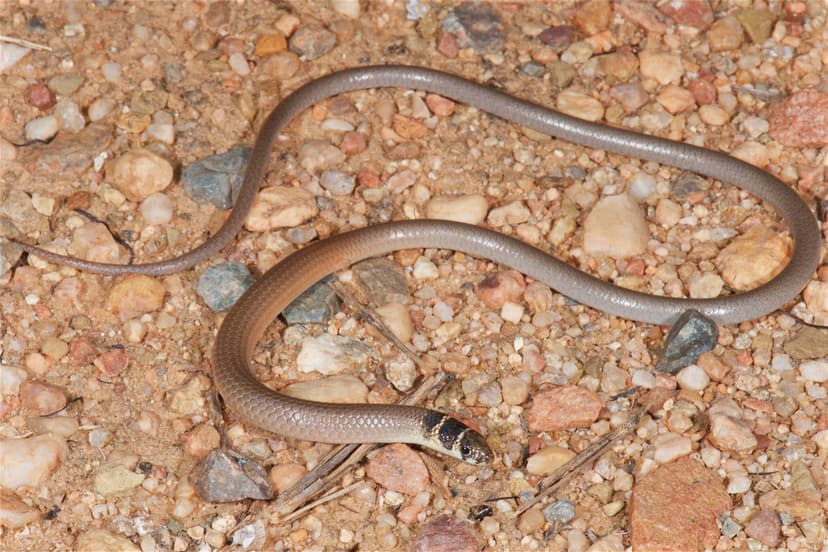
The excitable delma (Delma tincta) is a slender, legless lizard native to Australia, known for its active and jumpy defense mechanism. This nocturnal species spends most of its time hiding and is rarely spotted in the wild. It inhabits a variety of environments, from deserts to forests, and feeds on insects.

Ctenophorus salinarum
The claypan dragon, scientifically known as Ctenophorus salinarum, is a species of agamid lizard found in the arid and semi-arid regions of southern Western Australia. It typically inhabits chenopod shrublands surrounding salt lakes and claypans, as well as adjacent sandy heaths.
Northern prairie skink
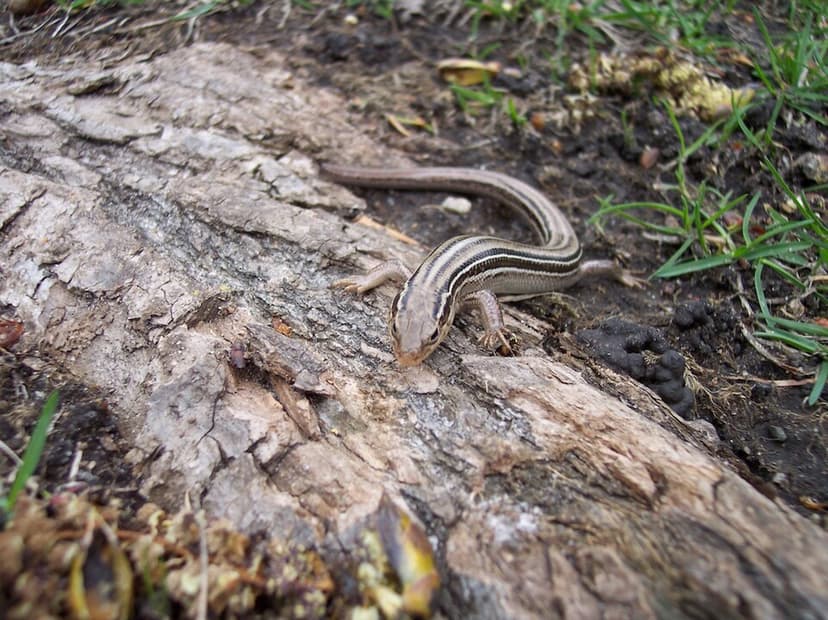
The Northern prairie skink (Plestiodon septentrionalis) is a small lizard found in sandy prairies east of the Rocky Mountains in North America. Adults are typically brown or tan with lighter stripes, while juveniles sport bright blue tails that fade with age. This secretive species is a good burrower, hibernating underground during winter and emerging in spring for breeding.