
Mediodactylus walli
The Chitral gecko (Mediodactylus walli) is a species of lizard belonging to the Gekkonidae family, found exclusively in northwestern Pakistan. It prefers shrubland and rocky environments at moderate to high altitudes. This gecko is notable for its specific epithet, which honors British herpetologist Frank Wall.
Key Facts
- ›Endemic to Pakistan, specifically found in northwestern regions.
- ›Inhabits shrubland and rocky areas at altitudes between 1,500 and 1,850 meters.
- ›Belongs to the Gekkonidae family of geckos.
- ›The specific name "walli" honors the British herpetologist Frank Wall.
- ›Reproduction is oviparous, meaning it lays eggs.
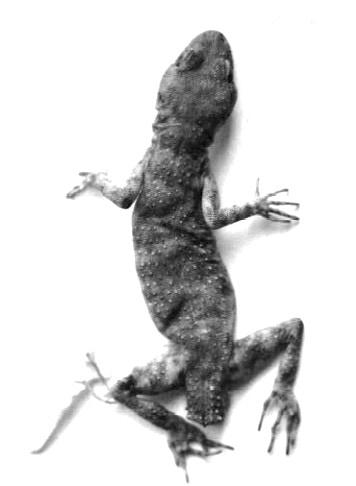
Chitral Gecko, Chitral Bow-Foot Gecko
Pakistan
About Mediodactylus walli
Mediodactylus walli: The Chitral Gecko
The Chitral gecko, scientifically known as Mediodactylus walli, is a species of lizard that belongs to the Gekkonidae family. This species is endemic to Pakistan, meaning it is found naturally only in this region. Its preferred natural habitats are shrubland and rocky areas, typically situated at altitudes between 1,500 and 1,850 meters.
Etymology and Taxonomy
The specific name, walli, was chosen in honor of Frank Wall, a distinguished British herpetologist. Historically, this species has been classified under different genera, including Gymnodactylus and Altiphylax, before its placement in Mediodactylus.
Geographic Range and Habitat
Mediodactylus walli is found in northwestern Pakistan, with its type locality officially recorded as Chitral, within the former Northwest Frontier Province. The environments it inhabits are characterized by arid or semi-arid conditions, with the presence of shrubs and rocky outcrops providing essential shelter and basking sites.
Source: Wikipedia ↗
Frequently Asked Questions
What is the common name for Mediodactylus walli?
Mediodactylus walli is commonly known as the Chitral gecko. It is also sometimes referred to as the Chitral bow-foot gecko.
Where is the Chitral gecko found?
The Chitral gecko is endemic to Pakistan, with its known range including northwestern Pakistan. The type locality, from where the species was first described, is Chitral.
What kind of habitat does Mediodactylus walli prefer?
This gecko species prefers natural habitats such as shrubland and rocky areas. It is typically found at altitudes ranging from 1,500 to 1,850 meters above sea level.
How does the Chitral gecko reproduce?
Mediodactylus walli is oviparous, which means that it reproduces by laying eggs.
Who is Frank Wall, after whom the species is named?
The specific name "walli" was given in honor of Frank Wall, a notable British herpetologist whose work contributed to the understanding of reptile species.
Related Lizards
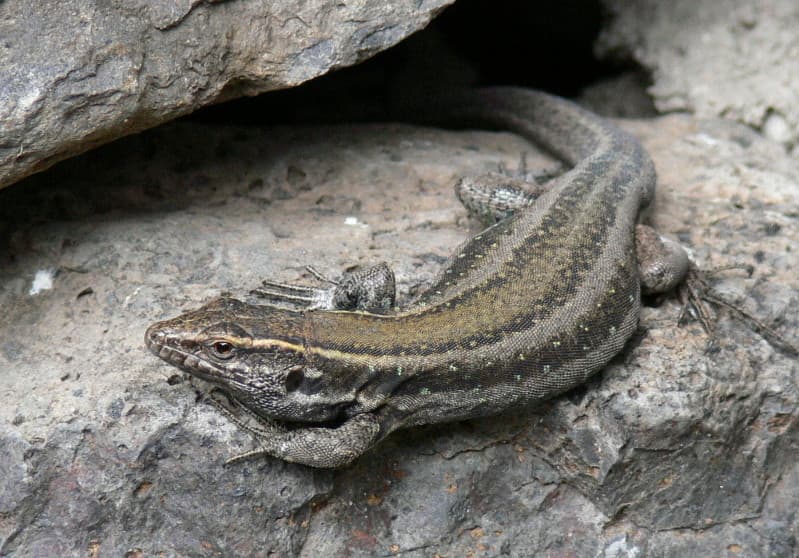
Boettger's lizard
Boettger's lizard (Gallotia caesaris) is a species of wall lizard endemic to the western Canary Islands, specifically El Hierro and La Gomera. This oviparous reptile inhabits rocky areas, shrubland, and forests, and is known for its capacity to lay multiple clutches of eggs per year. It is closely related to the Gallotia galloti species found on neighboring islands.
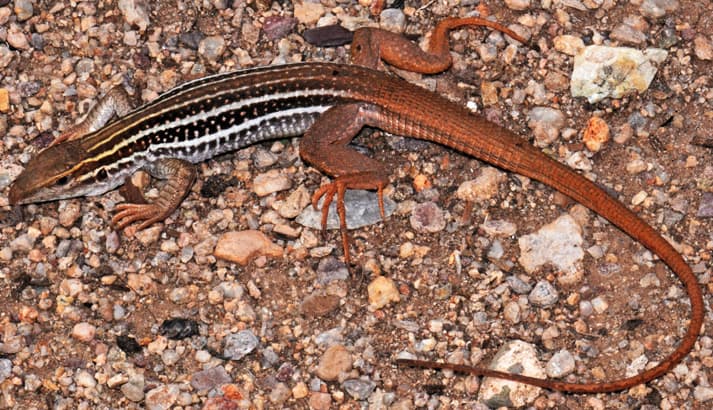
Canyon Spotted Whiptail
The Canyon Spotted Whiptail, also known as el huico manchado de cañón, is a lizard species found in northwestern Mexico and the southwestern United States. It inhabits forests, shrublands, and rocky areas, and is oviparous, laying eggs as its primary method of reproduction.
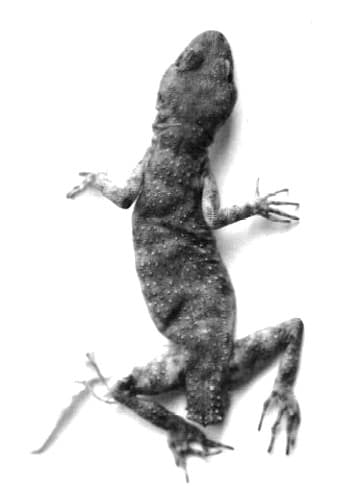
Cyrtodactylus walli
The Chitral gecko, scientifically known as Mediodactylus walli, is a species of lizard found exclusively in northwestern Pakistan. This gecko prefers shrubland and rocky terrains at moderate to high altitudes. It is distinguished by its specific epithet, honoring British herpetologist Frank Wall, and is a member of the Gekkonidae family.