
Ophiomorus raithmai
Ophiomorus raithmai, commonly known as the eastern sand swimmer or three-fingered sand-fish, is a species of skink found in the desert regions of northwestern India and southeastern Pakistan. Its name derives from a Sindhi term meaning "sand fish," reflecting its unique adaptation to its arid habitat. This lizard is viviparous, giving birth to live young.
Key Facts
- ›Found in northwestern India and southeastern Pakistan.
- ›Inhabits desert environments.
- ›Known as the eastern sand swimmer and three-fingered sand-fish.
- ›Its name originates from the Sindhi term 'raith mai' meaning 'sand fish'.
- ›Ophiomorus raithmai is a viviparous species, reproducing by giving birth to live young.

Eastern Sand Swimmer, Three-Fingered Sand-Fish
India, Pakistan
About Ophiomorus raithmai
Ophiomorus raithmai, commonly known as the eastern sand swimmer or the three-fingered sand-fish, is a species of skink belonging to the family Scincidae. This lizard is native to the arid regions of northwestern India, including the states of Gujarat, Punjab, and Rajasthan, and extends into adjacent southeastern Pakistan. Its common names reflect its adaptation to sandy environments and its physical appearance.
Habitat and Distribution
The natural habitat of Ophiomorus raithmai is exclusively desert. This specialized environment has likely driven its evolutionary adaptations for survival in arid conditions. Its geographic range is confined to these desert belts in northwestern India and southeastern Pakistan.
Reproduction
Ophiomorus raithmai is characterized by its viviparous mode of reproduction. Unlike many lizard species that lay eggs, this skink gives birth to live young. The specific name, 'raithmai,' is derived from the Sindhi common name for the lizard, which translates to "sand fish," further emphasizing its close association with its sandy habitat.
Source: Wikipedia ↗
Frequently Asked Questions
What are the common names for Ophiomorus raithmai?
Ophiomorus raithmai is commonly referred to as the eastern sand swimmer and the three-fingered sand-fish. These names highlight its habitat and physical characteristics.
Where is the eastern sand swimmer found?
The eastern sand swimmer, Ophiomorus raithmai, is naturally found in northwestern India, specifically in Gujarat, Punjab, and Rajasthan. It also extends into adjacent southeastern Pakistan.
What kind of habitat does Ophiomorus raithmai prefer?
This species is adapted to arid conditions and its natural habitat is the desert. This environment likely influences its behavior and physical adaptations for survival.
How does Ophiomorus raithmai reproduce?
Ophiomorus raithmai is a viviparous lizard, which means it gives birth to live young rather than laying eggs. This is a notable reproductive strategy within the lizard family.
What does the name 'raith mai' mean?
The specific name 'raithmai' is derived from the Sindhi common name for this lizard, 'raith mai'. This phrase translates to 'sand fish', aptly describing the lizard's appearance and habitat.
Related Lizards

Eremias przewalskii
Eremias przewalskii, commonly known as the Gobi racerunner, is a species of lizard belonging to the Lacertidae family. This reptile is endemic to Asia, inhabiting diverse environments ranging from deserts and shrublands to forests and wetlands. It is distinguished by its viviparous reproductive method.

Theobald's toad-headed agama
Theobald's toad-headed agama, also known as the snow lizard, is a species of lizard endemic to Asia, specifically found in arid and semi-arid regions of Turkestan, India, Nepal, and western China. It inhabits deserts, grasslands, and shrublands at high altitudes and is notable for being viviparous, meaning it gives birth to live young.
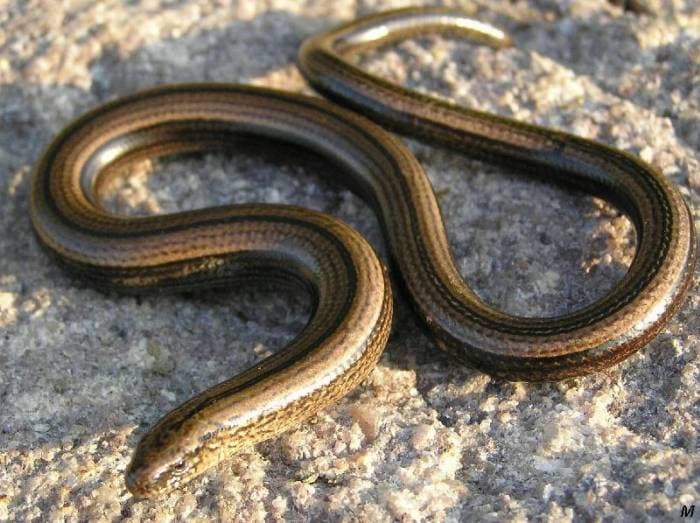
Anguis
Anguis, commonly known as slow worms, are a genus of legless lizards that are often mistaken for snakes. They are characterized by their grey-brown coloration, with females often exhibiting a coppery sheen and males displaying blue spots, especially during breeding season. These lizards inhabit a variety of warm, protected environments across Europe and parts of Asia, feeding primarily on invertebrates.