
Podarcis vaucheri
Podarcis vaucheri, commonly known as the Andalusian wall lizard, is a reptile species native to northern Africa and southern Spain. It inhabits a wide range of environments, from temperate forests and shrublands to urban areas, and is characterized by its oviparous reproductive method.
Key Facts
- ›Native to northern Africa and southern Spain.
- ›Found in diverse habitats including temperate forests, shrublands, and urban areas.
- ›Reproduces via eggs (oviparous).
- ›Its scientific name honors Swiss botanist Henri Vaucher.
- ›Not considered a threatened species by the IUCN.

Andalusian Wall Lizard
Algeria, Morocco, Spain, Tunisia
About Podarcis vaucheri
The Andalusian wall lizard, scientifically known as Podarcis vaucheri, is a species of lizard belonging to the family Lacertidae. This reptile is native to the regions of northern Africa and southern Spain, inhabiting a broad geographical range that includes countries such as Algeria, Morocco, Spain, and Tunisia.
Habitat and Distribution
Podarcis vaucheri demonstrates remarkable adaptability, thriving in a diverse array of natural and anthropogenic environments. Its preferred habitats include temperate forests, Mediterranean-type shrubby vegetation, rocky terrains, pasturelands, and even rural gardens and urbanized areas. This species can be found at altitudes ranging from sea level up to an impressive 3,100 meters (10,200 feet), showcasing its resilience across varied ecological niches.
Reproduction and Conservation
The reproduction of the Andalusian wall lizard follows an oviparous method, meaning individuals reproduce by laying eggs. This is a common characteristic among many reptile species. Encouragingly, Podarcis vaucheri is not currently considered a threatened species by the International Union for Conservation of Nature (IUCN), indicating that its populations are likely stable and not facing immediate risks of extinction.
Etymology
The specific name, vaucheri, was chosen in honor of the Swiss botanist Henri Vaucher (1856–1910), recognizing his contributions to the field of botany.
Source: Wikipedia ↗
Frequently Asked Questions
What is the scientific name for the Andalusian wall lizard?
The scientific name for the Andalusian wall lizard is Podarcis vaucheri. This binomial nomenclature helps distinguish it from other lizard species globally.
Where can Podarcis vaucheri be found geographically?
Podarcis vaucheri is naturally found in Algeria, Morocco, Spain, and Tunisia. Its range spans across parts of northern Africa and southern Europe.
What types of habitats does the Andalusian wall lizard prefer?
This species thrives in a variety of habitats, including temperate forests, Mediterranean-type shrubby vegetation, rocky areas, pastureland, rural gardens, and urban environments. It can be found from sea level up to altitudes of 3,100 meters.
How does Podarcis vaucheri reproduce?
Podarcis vaucheri is oviparous, meaning it reproduces by laying eggs. This is a common reproductive strategy among many lizard species.
What is the conservation status of the Andalusian wall lizard?
According to the International Union for Conservation of Nature (IUCN), Podarcis vaucheri is not considered a threatened species. This suggests its populations are currently stable.
Related Lizards
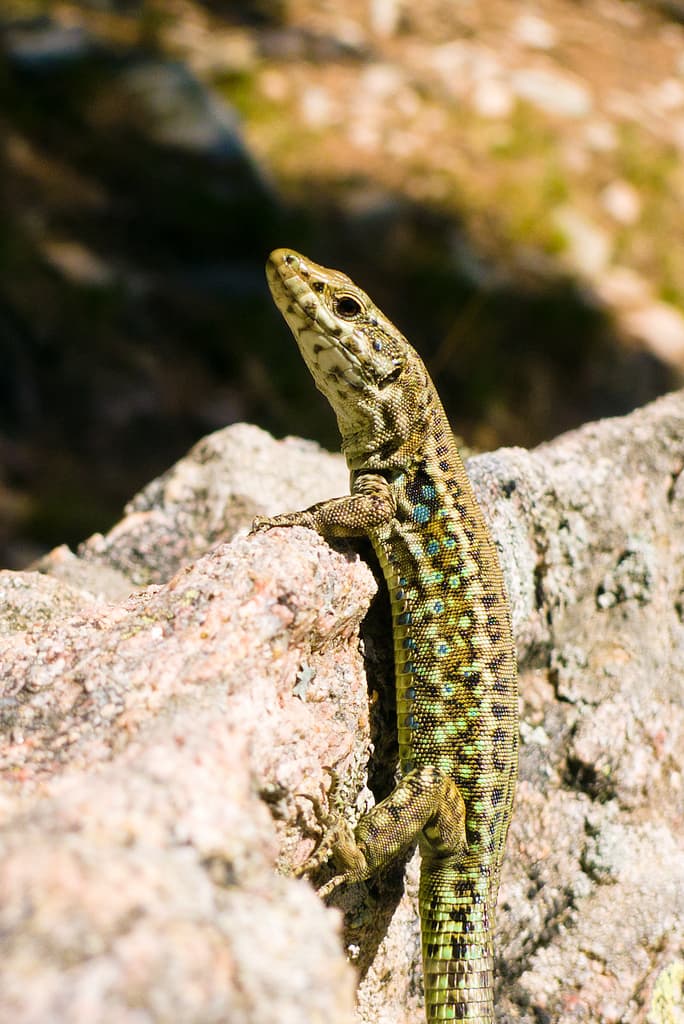
Podarcis tiliguerta
The Tyrrhenian wall lizard (Podarcis tiliguerta) is a species of lizard belonging to the Lacertidae family. It is native to the islands of Corsica and Sardinia and their surrounding islets, inhabiting a variety of temperate and Mediterranean environments. This species is distinguished by its subspecies diversity and is not currently considered threatened.

Lacerta andreanskyi
The Atlas dwarf lizard (Atlantolacerta andreanskyi), also known as Andreansky's lizard, is a species indigenous to the High Atlas mountain range in north-western Africa. It is characterized by its adaptability to alpine meadows, scree, and rocky areas, often remaining well-hidden within vegetation. This species is notable for its long hibernation periods and its reproductive strategy of laying multiple small clutches of eggs annually.
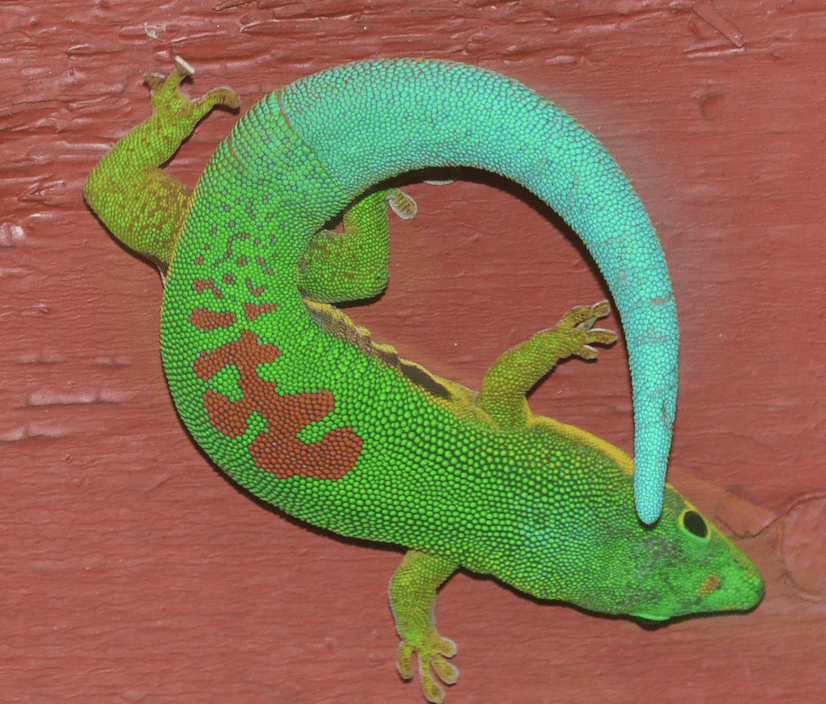
Phelsuma lineata
Phelsuma lineata, commonly known as the lined day gecko, is a species of diurnal gecko native to Madagascar, with introductions to Réunion. This species is characterized by its medium-green base coloration, often featuring red splotches and a lateral dark band, and can reach a total length of 4-6 inches. It inhabits humid subtropical zones in both mid- and low-elevated areas along the eastern coast of Madagascar.