
Pygmy short-horned lizard
Phrynosoma douglasii·Phrynosomatidae·Not specified
The pygmy short-horned lizard (Phrynosoma douglasii) is a small, flat-bodied reptile native to the northwestern United States and southwestern Canada. It is characterized by its squat build, short, pointed scales on its head, and a "snub-nosed" profile. Its coloration varies from greyish-beige to yellowish or reddish-brown, often featuring dark spots on its back, and can intensify when threatened or during mating season.
Key Facts
- ›Native to the northwestern United States and formerly southwestern Canada.
- ›Distinguished by its small size, squat body, and short, pointed head scales.
- ›Diet primarily consists of ants, especially for juveniles, with adults also consuming arachnids, beetles, and mollusks.
- ›Can tolerate lower temperatures, allowing it to inhabit colder biomes than related species.
- ›Coloration can intensify when the lizard is "fired-up" due to mating or defensive reactions.
- ›Often mistaken for the greater short-horned lizard but is considerably smaller.

Horned Toad, Horny Toad
Northwestern United States, Southwestern Canada
- Arid Regions
- Semi-Arid Regions
- Biomes Not Generally Accessible To Related Species Due To Cold Tolerance
- Small, Flat-Bodied, and Squat Lizard.
- Measures Approximately 1.25–2.5 Inches From Snout-To-Vent.
- Short, Pointed Scales Crown the Head.
- Features A "Snub-Nosed" Side Profile and Relatively Short Legs.
- Trunk Is Fringed By One Row of Pointed Scales; Belly Scales Are Smooth.
- Coloration Varies From Greyish-Beige, Yellowish, Or Reddish-Brown, Depending On Seasonality and Region.
- Two Rows of Larger, Dark Spots Are Present On the Back.
- Colors Become More Intense When Ready To Mate, Threatened, Or Reacting Defensively.
Ants, Arachnids, Beetles and Grubs, Isopods, Terrestrial Mollusks, Earthworms, Lepidopterans and Their Caterpillars, Plant Matter
- Tolerates Lower Temperatures Better Than Related Species.
- Diet Varies By Region, Season, and Individual Age/Sex.
- Colors Intensify When "Fired-Up" .
- Hatchlings and Juveniles Feed Almost Exclusively On Ants.
Long-Nosed Leopard Lizard, Stellar's Jay, Northern Shrikes, Coyotes, Foxes, Birds of Prey, Bobcats, Squamate-Consuming Snakes
About Pygmy short-horned lizard
The pygmy short-horned lizard (Phrynosoma douglasii) is a small reptile native to the northwestern United States and, historically, the extreme southern reaches of British Columbia, Canada. Often colloquially referred to as a "horned toad," it is a lizard, not an amphibian. This species is characterized by its flat, squat body, short legs, and a distinctive "snub-nosed" profile. Its head is adorned with small, pointed scales resembling horns, and its trunk is fringed with a row of pointed scales, while its belly scales are smooth.
The coloration of the pygmy short-horned lizard typically ranges from greyish-beige to yellowish or reddish-brown, adapting to its surroundings and the season. It possesses two rows of darker spots along its back. Notably, when the lizard feels threatened, is reacting defensively, or is preparing to mate, its colors can become more intense, a phenomenon sometimes described as "fired-up."
Habitat and Behavior
Pygmy short-horned lizards inhabit regions that can experience winter freezes, and they exhibit a unique tolerance for lower temperatures compared to many related species. This allows them to occupy biomes that might be inaccessible to other horned lizards. Their diet is varied and depends on age, sex, and seasonal availability. Hatchlings and juveniles feed almost exclusively on ants, while older individuals incorporate a wider range of prey such as arachnids, beetles, mollusks, and earthworms into their diet. They may also consume plant matter.
Identification and Relatives
It is often confused with its close relative, the greater short-horned lizard (Phrynosoma hernandesi). While they share similar physiology, the pygmy short-horned lizard is considerably smaller when mature. Until recent genetic evidence, they were sometimes considered the same species. Predators of the pygmy short-horned lizard include various birds of prey, mammals like coyotes and foxes, and certain snakes.
Source: Wikipedia ↗
Frequently Asked Questions
What is a pygmy short-horned lizard?
The pygmy short-horned lizard is a small reptile belonging to the horned lizard family. Despite being commonly called a "horned toad," it is not an amphibian but a lizard.
Where do pygmy short-horned lizards live?
These lizards are native to the northwestern United States and were historically found in the extreme south of British Columbia, Canada, though they are now extirpated from Canada.
What do pygmy short-horned lizards eat?
Their diet varies by age, but ants form a significant portion, particularly for hatchlings. Mature lizards supplement their ant consumption with arachnids, beetles, mollusks, and other invertebrates.
How can I identify a pygmy short-horned lizard?
They are identified by their small size, flat and squat bodies, and short, pointed scales on their heads. They have a distinctive "snub-nosed" appearance and their coloration can range from greyish-beige to reddish-brown.
Are pygmy short-horned lizards dangerous?
Pygmy short-horned lizards are not considered dangerous to humans. They are small reptiles that primarily focus on escaping predators and foraging for insects.
What are the predators of the pygmy short-horned lizard?
Common predators include various birds of prey, mammals like coyotes and foxes, and certain snakes. The long-nosed leopard lizard is also noted as a predator.
Related Lizards
Central Netted Dragon
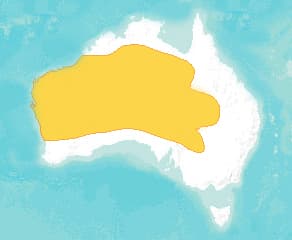
The Central Netted Dragon is a medium-sized lizard native to arid and semi-arid regions of Australia, characterized by a distinctive net-like pattern on its reddish-brown to orange-brown body. It is a diurnal, terrestrial species known for its burrowing behavior and a diet that includes insects and vegetation. These dragons are popular pets and are commonly found in zoos.

Ctenophorus pictus
The painted ground-dragon, Ctenophorus pictus, is a medium-sized lizard endemic to the drier regions of southern and central Australia. This species is known for its highly variable coloration, particularly in males, which can range from reddish-brown to orange and yellow, with breeding males displaying bright blue and yellow markings. They are swift, diurnal reptiles that inhabit shrublands and grasslands, employing a sit-and-wait hunting strategy for arthropods.
Common leopard gecko
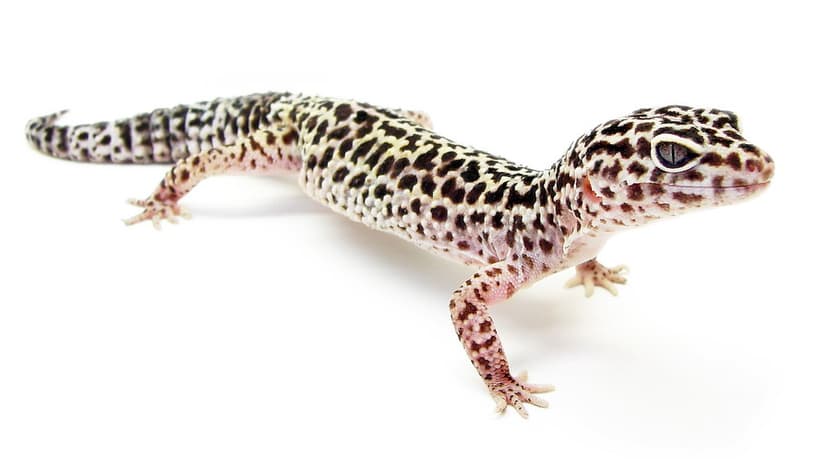
The common leopard gecko (Eublepharis macularius) is a ground-dwelling lizard native to the arid regions of South Asia, including Afghanistan, Pakistan, India, and Nepal. Known for its distinctive spotted patterns and thick, fat-storing tail, it is a popular pet, often considered the first domesticated lizard species. These geckos are primarily nocturnal and opportunistic predators, feeding on invertebrates and small vertebrates.