
Sierra curlytail lizard
The Sierra curlytail lizard (*Leiocephalus onaneyi*) is a critically endangered species endemic to the Guantánamo Province of Cuba. This medium-sized lizard is characterized by a distinctive chocolate-brown dorsal stripe bordered by darker lines, with multiple alternating stripes extending along its back. Its habitat is a xeric environment with limestone karst topography near the coast.
Key Facts
- ›Endemic to Guantánamo Province, Cuba.
- ›Characterized by a prominent chocolate-brown dorsal stripe and alternating body stripes.
- ›Males have white throats, while females have grey throats.
- ›Inhabits xeric habitats with limestone karst topography.
- ›Listed as critically endangered on the IUCN Red List.
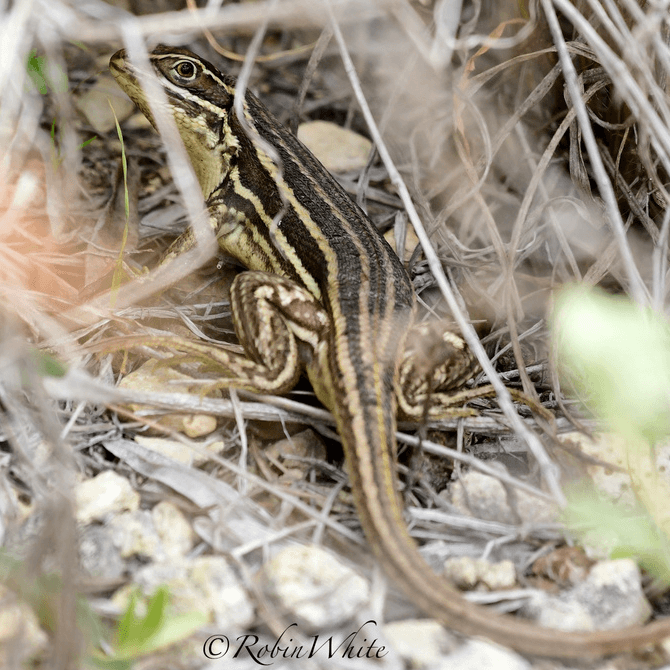
Sierra Curlytail Lizard, Guantanamo Striped Curlytail, GuantáNamo Striped Curly-Tailed Lizard
Cuba
Xeric, Limestone Karst, Coastal
- Medium Size For Its Genus, Reaching Up To 77 mm Snout-Vent Length.
- Dorsal Coloration Features A Central Chocolate-Brown Line, Flanked By Darker Chocolate Brown Lines.
- Seven Additional Alternating Chocolate Brown and Light Brownish-Grey Lines Run Along Each Side of the Back.
- Throat Color Differs Between Sexes: White In Males, Grey In Females.
- Throat and Belly Coloration Are Solid White, With No Discernible Markings.
- Goat Grazing
- Fires Intentionally Lit To Clear Land For Pasture
About Sierra curlytail lizard
The Sierra curlytail lizard, scientifically known as Leiocephalus onaneyi, is a critically endangered reptile endemic to the Guantánamo Province of Cuba. This species, also referred to as the Guantanamo striped curlytail, belongs to the Leiocephalidae family, commonly known as curly-tailed lizards.
Description and Habitat
This medium-sized lizard can grow up to 77 mm in snout-vent length. Its dorsal appearance is marked by a distinctive chocolate-brown stripe running down the middle of its back, bordered by slightly darker chocolate brown lines. Further extending along its back are seven alternating lines of chocolate brown and light brownish-grey on each side. A notable sexual dimorphism is present in the throat coloration, which is white in males and grey in females; this coloration extends down to a solid white belly.
The Sierra curlytail lizard inhabits a specific xeric environment characterized by limestone karst topography, typically found near the coast. Its preferred vegetation consists of grasses, agaves, and bushes. The species is known to live at elevations between 150 and 200 meters above sea level.
Conservation Concerns
The geographic range of Leiocephalus onaneyi is limited to the vicinity of its type locality, with an estimated extent of less than 100 km². Its habitat quality and extent are severely threatened by ongoing goat grazing and the intentional lighting of fires to convert the land into pasture. These pressures have led to its classification as critically endangered on the IUCN Red List, following an assessment in 2016.
Source: Wikipedia ↗
Frequently Asked Questions
What is the scientific name for the Sierra curlytail lizard?
The scientific name for the Sierra curlytail lizard is *Leiocephalus onaneyi*. This binomial nomenclature is used to classify the species within the scientific community.
Where is the Sierra curlytail lizard found?
The Sierra curlytail lizard is exclusively found in the Guantánamo Province of Cuba. Its known habitat is specifically around the type locality at elevations of 150-200 meters.
What are the distinguishing physical features of the Sierra curlytail lizard?
The Sierra curlytail lizard can reach snout-vent lengths of up to 77 mm. It has a distinctive chocolate-brown dorsal stripe, bordered by darker lines, with seven alternating chocolate brown and light brownish-grey lines on each side of its back. Males and females differ in throat coloration: white for males and grey for females.
What kind of habitat does the Sierra curlytail lizard prefer?
This lizard prefers a xeric habitat characterized by limestone karst topography. The vegetation in its environment typically consists of grasses, agaves, and bushes, located near the coast.
Why is the Sierra curlytail lizard considered critically endangered?
The Sierra curlytail lizard is critically endangered due to threats like goat grazing and intentionally lit fires that clear land for pasture, significantly reducing its habitat quality and extent. Its estimated habitat area is less than 100 km².
Related Lizards

Brookesia micra
Brookesia micra, also known as the Nosy Hara leaf chameleon, is a species of chameleon discovered on the islet of Nosy Hara in Madagascar. It is notable for being one of the smallest known chameleons and reptiles worldwide, with adults reaching a maximum length of just 29 mm. This species inhabits limestone karst areas, residing in leaf litter during the day and sleeping on tree branches at night.
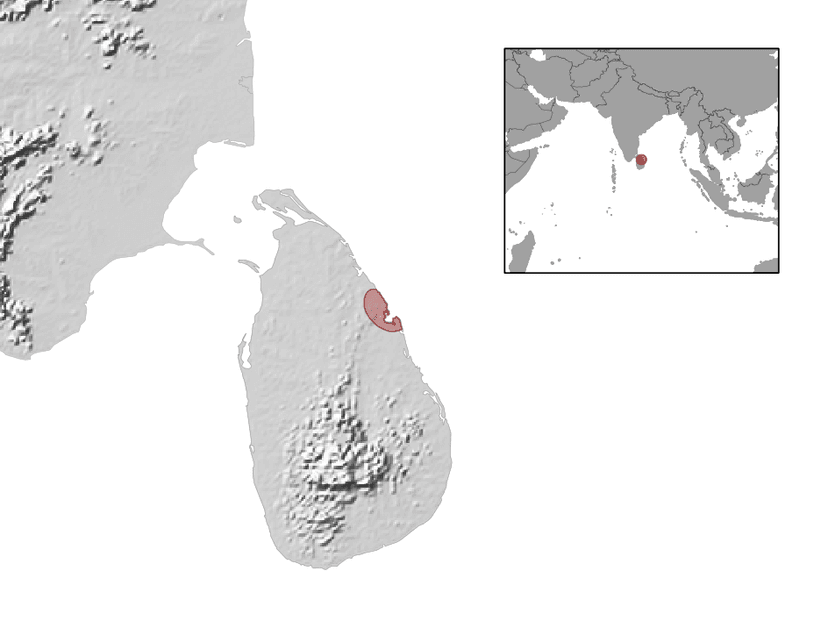
Sri Lanka supple skink
The Sri Lanka supple skink (Lygosoma singha) is a species of skink found exclusively on the island of Sri Lanka. It is believed to be a semi-fossorial lizard inhabiting coastal areas in the northeastern part of the island. Its diet is thought to include insects.

Chalarodon madagascariensis
Chalarodon madagascariensis is a terrestrial lizard species native to Madagascar, primarily found in coastal, semi-arid to arid regions with sandy soil. It is an insectivore that occasionally consumes plant matter. A key distinguishing feature is its keeled gular and ventral scales.