
Sri Lanka supple skink
The Sri Lanka supple skink (Lygosoma singha) is a species of skink found exclusively on the island of Sri Lanka. It is believed to be a semi-fossorial lizard inhabiting coastal areas in the northeastern part of the island. Its diet is thought to include insects.
Key Facts
- ›Endemic to Sri Lanka.
- ›Presumably semi-fossorial (partially burrowing).
- ›Found in areas under 50 meters in elevation.
- ›Inhabits the north-east coast of Sri Lanka.
- ›Diet may include insects.
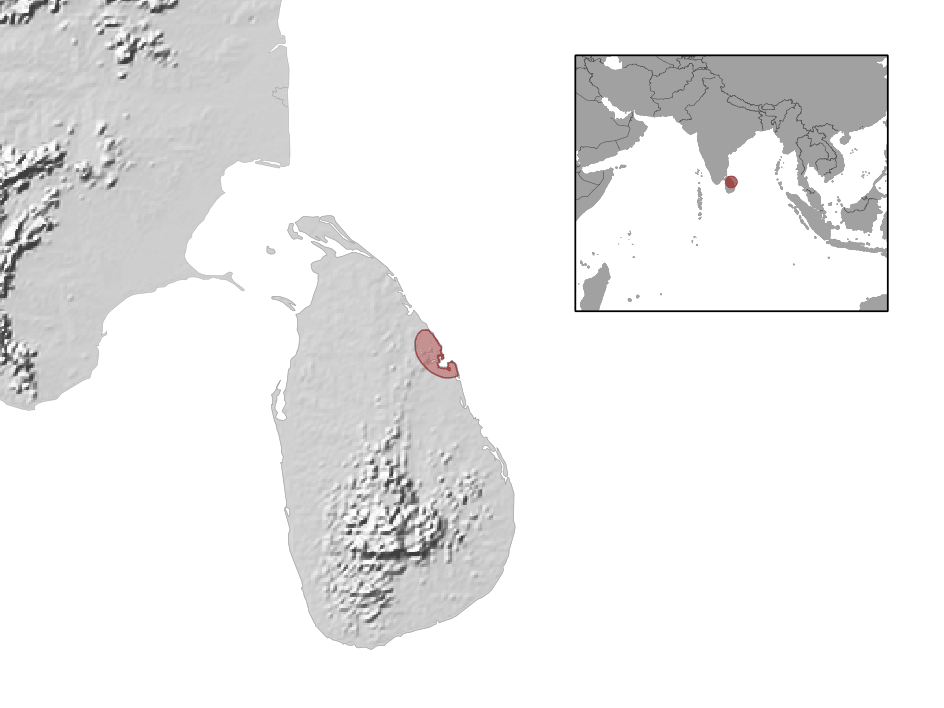
Sri Lanka Supple Skink
Sri Lanka
Coastal, Semi-Fossorial
A Skink Species.
Insects
Semi-Fossorial
About Sri Lanka supple skink
The Sri Lanka supple skink, scientifically known as Lygosoma singha, is a species of skink that is found exclusively on the island of Sri Lanka. Very little is publicly documented about this lizard, but existing records suggest it is endemic to the island's northeastern coast.
Habitat and Ecology
It is presumed that the Sri Lanka supple skink leads a semi-fossorial life, meaning it spends a portion of its time burrowed underground. The species has been recorded in areas situated at elevations below 50 meters. While detailed dietary studies are scarce, it is believed that insects form part of its diet. Further research is needed to fully understand its ecological role and specific habitat requirements.
Source: Wikipedia ↗
Frequently Asked Questions
Where is the Sri Lanka supple skink found?
The Sri Lanka supple skink is endemic to the island of Sri Lanka. It is specifically believed to inhabit the north-east coast of the island.
What kind of habitat does the Sri Lanka supple skink prefer?
This species is presumed to be semi-fossorial, meaning it lives a partially burrowing lifestyle. It has been observed in areas below 50 meters in elevation along the coast.
What does the Sri Lanka supple skink eat?
The diet of the Sri Lanka supple skink is not extensively documented, but it is believed to include insects.
Related Lizards
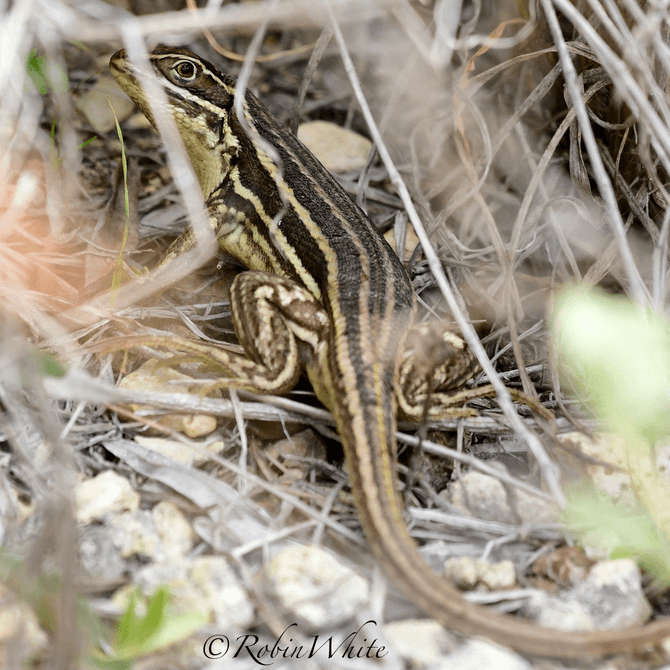
Sierra curlytail lizard
The Sierra curlytail lizard (*Leiocephalus onaneyi*) is a critically endangered species endemic to the Guantánamo Province of Cuba. This medium-sized lizard is characterized by a distinctive chocolate-brown dorsal stripe bordered by darker lines, with multiple alternating stripes extending along its back. Its habitat is a xeric environment with limestone karst topography near the coast.

Chalarodon madagascariensis
Chalarodon madagascariensis is a terrestrial lizard species native to Madagascar, primarily found in coastal, semi-arid to arid regions with sandy soil. It is an insectivore that occasionally consumes plant matter. A key distinguishing feature is its keeled gular and ventral scales.

Hemiergis peronii
The four-toed earless skink (Hemiergis peronii) is a viviparous reptile endemic to southern Australia. It is characterized by its earless appearance and typically measures around 8 cm in snout-vent length. This species inhabits coastal and subcoastal regions across Western Australia, South Australia, and western Victoria.