
Sitana spinaecephalus
Sitana spinaecephalus, also known as the spiny-headed fan-throated lizard, is a species of agamid lizard found exclusively in India. This medium-sized lizard inhabits scrublands and forests in the west-central states of Gujarat, Rajasthan, Maharashtra, and Madhya Pradesh, primarily feeding on arthropods and using its dewlap for defense and communication.
Key Facts
- ›Endemic to India, found in Gujarat, Rajasthan, Maharashtra, and Madhya Pradesh.
- ›Inhabits scrublands and forests.
- ›Primarily feeds on arthropods.
- ›Males use their dewlap to intimidate predators and for communication during breeding.
- ›Reproduction is oviparous (egg-laying).
- ›Medium-sized lizards with distinct sexual dimorphism in size.

Spiny-Headed Fan-Throated Lizard
India
- Medium-Sized Lizards.
- Males Are Slightly Larger Than Females, With Average Lengths of 48.5 ± 2.9 mm and Females At 44.8 ± 4.2 mm .
Arthropods
- Males Use Dewlap For Predator Intimidation.
- Males Use Dewlap For Communication During the Breeding Season.
About Sitana spinaecephalus
Sitana spinaecephalus: The Spiny-headed Fan-throated Lizard
Sitana spinaecephalus, commonly recognized as the spiny-headed fan-throated lizard, is a species that belongs to the agamid family of lizards. This species is endemic to India, meaning it is found naturally nowhere else in the world. Its natural range encompasses the west-central states of the country, including Gujarat, Rajasthan, Maharashtra, and Madhya Pradesh. The preferred habitats for Sitana spinaecephalus are scrublands and forests.
Description and Behavior
These are medium-sized lizards, with documented average lengths for males around 48.5 mm and females around 44.8 mm (likely snout-to-vent length). A notable characteristic of the species, particularly in males, is the use of their dewlap, a flap of skin under the throat. When disturbed or threatened, males will deploy this dewlap, likely as a visual deterrent to intimidate potential predators. This colorful appendage also plays a role in communication, especially during the breeding season, allowing males to interact with females or rivals.
Diet and Reproduction
Like many lizards within the genus Sitana, the spiny-headed fan-throated lizard primarily sustains itself on arthropods, classifying it as an insectivore. The species is oviparous, which means it reproduces by laying eggs. While specific details regarding clutch size or incubation periods are not extensively documented in available records, the oviparous nature is a key aspect of its life cycle.
Source: Wikipedia ↗
Frequently Asked Questions
What is the common name for Sitana spinaecephalus?
Sitana spinaecephalus is commonly known as the spiny-headed fan-throated lizard. This name likely refers to its physical characteristics or display behaviors.
Where does the spiny-headed fan-throated lizard live?
This lizard is endemic to India, specifically found in the west-central states of Gujarat, Rajasthan, Maharashtra, and Madhya Pradesh. It prefers habitats such as scrublands and forests.
What does Sitana spinaecephalus eat?
The spiny-headed fan-throated lizard primarily feeds on arthropods. This indicates an insectivorous diet.
How do male spiny-headed fan-throated lizards defend themselves?
When threatened, male Sitana spinaecephalus can deploy their dewlap. This colorful flap of skin under the throat is used to intimidate predators. They also use it for communication, particularly during the breeding season.
How does Sitana spinaecephalus reproduce?
Sitana spinaecephalus is oviparous, meaning it reproduces by laying eggs. This is a common reproductive strategy among many lizard species.
Related Lizards
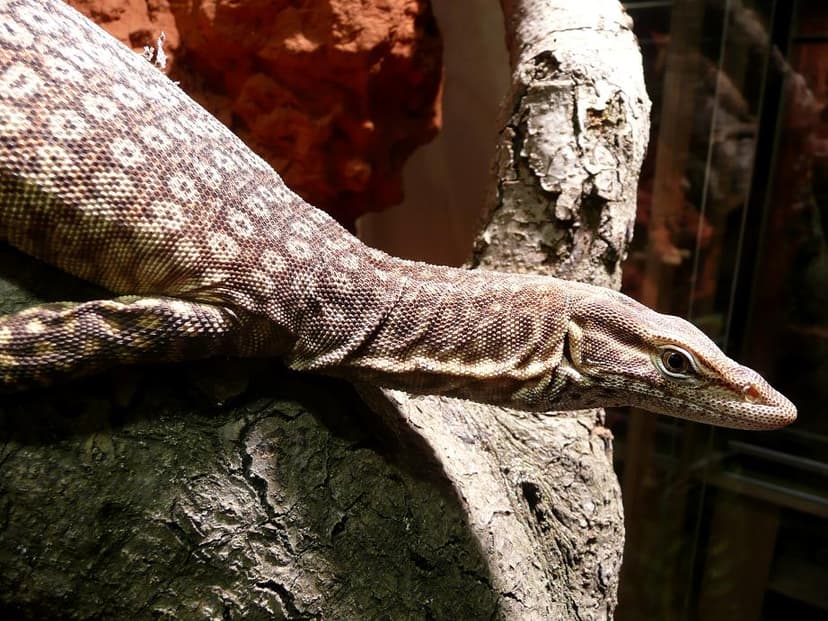
Varanus tristis
The black-headed monitor (Varanus tristis) is a relatively small monitor lizard found across mainland Australia and some northern islands. Known for its speed and ability to inhabit diverse environments from forests to deserts, this species exhibits distinct subspecies with variations in coloration and size. It is an opportunistic predator with a varied diet and a notable reproductive cycle.

Morethia boulengeri
Morethia boulengeri, commonly known as Boulenger's skink, is a small, insectivorous lizard endemic to Australia. It is characterized by its grey or brown dorsal coloration with darker flecks and a white ventral side, often featuring distinctive stripes. This adaptable species inhabits a variety of semi-arid and arid environments across the Australian mainland.
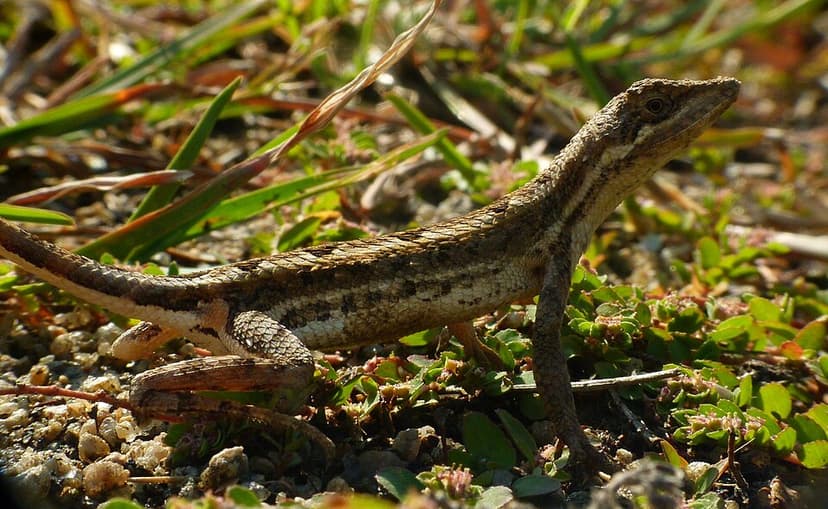
Fan-throated lizard (Sitana ponticeriana)
The Fan-throated lizard (Sitana ponticeriana) is a species of agamid lizard found in eastern peninsular India. It is characterized by an enlarged projecting scale on the posterior side of its hind thigh and a distinctive, often tricolored, gular appendage (dewlap) in males, which is used in mating displays. This ground-dwelling lizard primarily inhabits open patches within thin forests.