
Uromastyx dispar
The genus Uromastyx, commonly known as spiny-tailed lizards or dabb lizards, are agamid lizards native to Africa and the Middle East. These primarily herbivorous reptiles are characterized by their muscular, spiked tails, which they use as a defense mechanism. They inhabit rocky, hilly areas, spending their days basking and their nights in underground burrows.
Key Facts
- ›Uromastyx species are primarily herbivorous, supplementing their diet with insects and small animals.
- ›They possess a distinctive thick-spiked tail used for defense against predators.
- ›These lizards are heliothermic, spending much of their active time basking in the sun.
- ›They inhabit arid and semi-arid regions, including hilly and rocky environments.
- ›Uromastyx acquire most necessary water from the vegetation they consume.
- ›Some species, like U. dispar maliensis, have been historically consumed as food in parts of Arabia.

Spiny-Tailed Lizards, Uromastyces, Mastigures, Dabb Lizards
North Africa, Northeast Africa, Middle East, Iran
Hilly Areas, Rocky Areas, Underground Chambers, Arid Regions, Semi-Arid Regions
- Range In Size From 25 cm To Over 91 cm.
- Hatchlings Are Typically 7–10 cm In Length.
- Colors Change According To Temperature and Season, Becoming Duller and Darker In Cool Weather and Lighter In Warm Weather.
- Possess A Muscular and Heavy Tail Covered In Thick Spikes.
- Males of Some Species, Like U. Dispar Maliensis, Are More Colorful Than Females .
Primarily Herbivorous, Insects, Other Small Animals, Vegetation, Mother's Feces
- Spend Most of Their Waking Hours Basking In the Sun.
- Hide In Underground Chambers At Nighttime Or When Danger Appears.
- Tend To Establish Themselves In Areas With Good Shelter and Accessible Vegetation.
- Sleep In Their Burrows With Their Tails Closest To the Opening To Deter Intruders.
- Can Swing Their Spiked Tail At Attackers.
- Exhibit Hissing and Open-Mouthed Displays When Threatened.
- Removed From the Wild For Pet and Medicinal Trade
- Overcrowding In Trade Conditions
About Uromastyx dispar
Uromastyx
The genus Uromastyx, commonly referred to as spiny-tailed lizards, mastigures, or dabb lizards, encompasses a group of agamid lizards native to the arid and semi-arid regions of Africa and the Middle East. Their name is derived from Greek words for 'tail' and 'whip', a clear reference to their most distinctive physical characteristic: a muscular tail covered in sharp spikes, which they employ as a formidable defense mechanism against predators by swinging it with great force. These lizards are primarily herbivorous, deriving most of their water and sustenance from the vegetation they consume, though young individuals and occasionally adults will supplement their diet with insects and other small invertebrates.
Habitat and Behavior
Uromastyx species are well-adapted to their harsh environments, typically inhabiting hilly, rocky terrains that offer ample opportunities for shelter and vegetation. They are heliothermic, meaning they rely on external heat sources, and spend a significant portion of their active hours basking in the sun to regulate their body temperature. At night or when sensing danger, they retreat into underground burrows, often positioning their spiky tails at the entrance to deter intruders. Their coloration can shift with the seasons and ambient temperature, becoming darker to absorb more sunlight in cooler periods and lighter in warmer weather.
Reproduction and Life Cycle
Female Uromastyx lay between 5 and 40 eggs, with incubation taking approximately 70 to 80 days. Hatchlings emerge at a small size, around 5 cm snout-to-vent length, and rapidly gain weight. Studies indicate that some species can add approximately 5 cm of total growth annually until they reach about 8 to 9 years of age. In the wild, females are often smaller and less vibrantly colored than males, though this can change in captivity. With proper care, these lizards can achieve impressive lifespans, exceeding 25 years and potentially reaching up to 60 years in captivity.
Human Interaction
Historically, certain Uromastyx species, such as U. dispar maliensis (known as 'ḍabb'), have been consumed as a food source by some Bedouin populations in Arabia, considered an 'Arabian delicacy'. In Judaism, this lizard is traditionally identified with the biblical 'tzav', one of the forbidden creeping animals. In more recent times, Uromastyx have been subject to unregulated removal from the wild for the pet and medicinal trade, particularly in Morocco, where they are protected. Despite historical challenges in captive care due to a lack of understanding of their specific needs, increased knowledge has led to improved survival rates and longevity in domestic settings.
Source: Wikipedia ↗
Frequently Asked Questions
What does the name Uromastyx mean?
The genus name Uromastyx is derived from Ancient Greek words: 'ourá' meaning 'tail' and 'mástix' meaning 'whip' or 'scourge'. This name refers to the characteristic thick-spiked tail found on all species within the genus.
What do Uromastyx lizards eat?
Uromastyx are primarily herbivorous, feeding on surrounding vegetation. Young lizards and occasionally adults may also consume insects and other small animals. They obtain most of their water from the plants they ingest.
How do Uromastyx defend themselves?
The spiny tail is a primary defense. Uromastyx can swing their muscular, spiked tail with considerable velocity at an attacker. They also employ hissing and an open-mouthed display, showing their small teeth, and will retreat into their burrows with their tails blocking the entrance.
Where are Uromastyx lizards found?
This genus is native to a wide range stretching across most of North and Northeast Africa and the Middle East, extending as far east as Iran. They can be found at elevations from sea level up to over 900 meters.
What is the typical size of a Uromastyx lizard?
Uromastyx species vary in size, with some, like U. macfadyeni, being as small as 25 cm (10 in) and others, like U. aegyptia, reaching 91 cm (36 in) or more. Hatchlings are typically between 7–10 cm (3–4 in) in length.
Do Uromastyx change color?
Yes, like many reptiles, Uromastyx lizards can change color based on temperature and season. They appear duller and darker in cooler weather and lighter in warmer conditions, especially when basking, to better absorb sunlight.
Are Uromastyx lizards venomous?
No, Uromastyx lizards are not venomous. Their defense relies on their spiny tail and behavioral strategies.
What is the lifespan of a Uromastyx?
In captivity, with appropriate care, Uromastyx can live for over 25 years and potentially as long as 60 years. Their lifespan in the wild is less documented but can be significant.
Related Lizards

Sphenomorphus maculatus
The Sphenomorphus maculatus, commonly known as the spotted forest skink or stream-side skink, is a non-venomous lizard found across South Asia and Southeast Asia. It is characterized by its brown coloration with faint darker markings and a pale throat and belly. This terrestrial skink inhabits the edges of streams and rivers in lowland and hilly areas, where it forages for small insects and invertebrates.

Ctenotus leonhardii
Ctenotus leonhardii, commonly known as Leonhardi's ctenotus or Leonhardi's skink, is a small, slender lizard native to arid and semi-arid regions of mainland Australia. This diurnal species is characterized by its brown to ochre-brown coloration with distinctive pale and dark stripes along its body and tail. It inhabits open grasslands, sandplain deserts, and shrublands, where it actively forages for insects and other invertebrates.
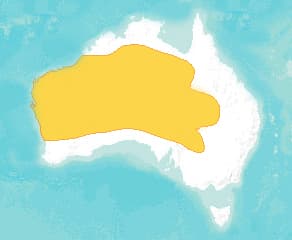
Central Netted Dragon
The Central Netted Dragon is a medium-sized lizard native to arid and semi-arid regions of Australia, characterized by a distinctive net-like pattern on its reddish-brown to orange-brown body. It is a diurnal, terrestrial species known for its burrowing behavior and a diet that includes insects and vegetation. These dragons are popular pets and are commonly found in zoos.