
Uroplatus guentheri
Günther's flat-tail gecko (Uroplatus guentheri) is a nocturnal lizard endemic to Madagascar, known for its remarkable camouflage. It inhabits forests, roosting and foraging on small trees and bushes, where it mimics dead branches and bark to avoid detection during the day. This species is oviparous, laying spherical eggs in leaf litter.
Key Facts
- ›Endemic to Madagascar, specifically northwestern regions near Ankarafansika and Morondava.
- ›Nocturnal gecko that uses camouflage to MIMIC dead branches and bark.
- ›Found in forest habitats at altitudes between 30-120 meters.
- ›Forages and roosts on small trees and bushes, typically less than 6 meters above ground.
- ›Oviparous, laying spherical eggs in leaf litter.
- ›Named in honor of the herpetologist Albert Günther.
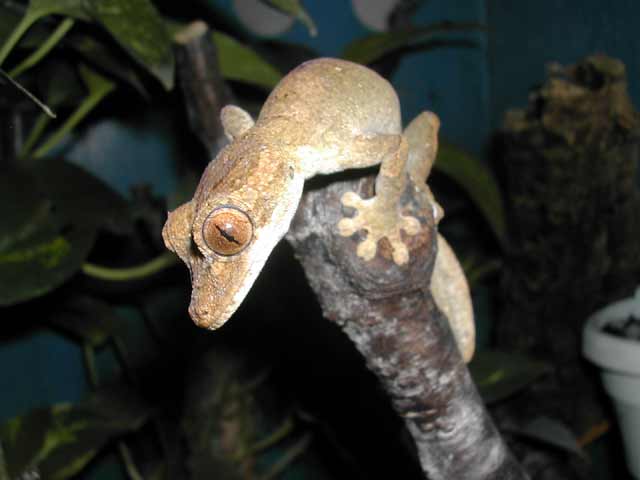
GüNther's Leaf-Tail Gecko
Madagascar
- Reaches A Total Length of 150 mm , Including the Tail.
- Possesses Camouflage That Mimics Dead Branches and Bits of Bark.
Invertebrate Prey
- Nocturnal
- Forages On Small Trees and Bushes
- Roosts On Small Trees and Bushes
- Uses Camouflage To Mimic Dead Branches and Bark During the Day
About Uroplatus guentheri
Günther's Flat-Tail Gecko (Uroplatus guentheri)
Günther's flat-tail gecko, scientifically known as Uroplatus guentheri and also referred to as Günther's leaf-tail gecko, is a distinctive species of nocturnal lizard endemic to the island of Madagascar. This gecko belongs to the family Gekkonidae and is celebrated for its remarkable ability to camouflage itself, making it exceptionally difficult to spot during daylight hours.
Habitat and Distribution
The natural habitat of Uroplatus guentheri is primarily the forest regions of northwestern Madagascar, with notable populations found around Ankarafansika and near the city of Morondava in the western part of the island. This species prefers to inhabit forests at altitudes ranging from 30 to 120 meters (approximately 98 to 394 feet).
Physical Characteristics and Behavior
Uroplatus guentheri typically reaches a total length of about 150 millimeters (5.9 inches), including its tail. Its most striking feature is its camouflage, which allows it to perfectly mimic dead branches and pieces of bark, an essential adaptation for survival. The gecko forages and roosts on small trees and bushes, generally remaining less than 6 meters (20 feet) above the ground. As a nocturnal species, it becomes active after dusk, hunting for invertebrate prey.
Reproduction
The reproductive method of Uroplatus guentheri is oviparous, meaning it lays eggs. These eggs are described as spherical and are typically deposited within leaf litter, where they are hidden and protected.
Etymology
The species name, guentheri, was chosen in honor of the German-born British herpetologist Albert Günther, recognizing his contributions to the field of herpetology.
Source: Wikipedia ↗
Frequently Asked Questions
What is Günther's flat-tail gecko known for?
Günther's flat-tail gecko is primarily known for its exceptional camouflage, which allows it to blend seamlessly with dead branches and bark. It is also recognized for its nocturnal behavior and its habitat in the forests of Madagascar.
Where can Günther's flat-tail gecko be found?
This species is endemic to Madagascar. It is specifically found in the northwestern part of the island, in areas around Ankarafansika and near Morondava in western Madagascar.
What kind of habitat does Uroplatus guentheri prefer?
Uroplatus guentheri prefers forest habitats. It is typically found at altitudes ranging from 30 to 120 meters above sea level, roosting and foraging on small trees and bushes.
How does Günther's flat-tail gecko behave?
This gecko is nocturnal, becoming active at night to hunt for invertebrate prey. During the day, it remains inactive and relies on its camouflage to avoid predators, often found less than 6 meters above the ground.
How does Uroplatus guentheri reproduce?
Uroplatus guentheri is oviparous, meaning it reproduces by laying eggs. These spherical eggs are typically laid within leaf litter.
What is the origin of the name 'guentheri' in Uroplatus guentheri?
The specific name, guentheri, honors the German-born British herpetologist Albert Günther. His contributions to the study of reptiles were recognized through this naming.
Related Lizards

Cyrtodactylus adleri
Cyrtodactylus adleri is a species of bent-toed gecko native to the Nicobar Islands of India. It is distinguished from similar species by its dark spots on the dorsum, specific scale arrangements, and the presence of a pre-anal groove. This nocturnal and arboreal lizard prefers forest habitats.

Gekko kuhli
Gekko kuhli, also known as Kuhl's flying gecko, is a gliding lizard species native to Southeast Asia. It is characterized by skin flaps along its sides, webbed feet, and a flattened tail that enable it to glide. This species exhibits remarkable camouflage, with its flaps helping it blend into tree bark, and has adapted internally to protect its organs from increased UV exposure despite being nocturnal.
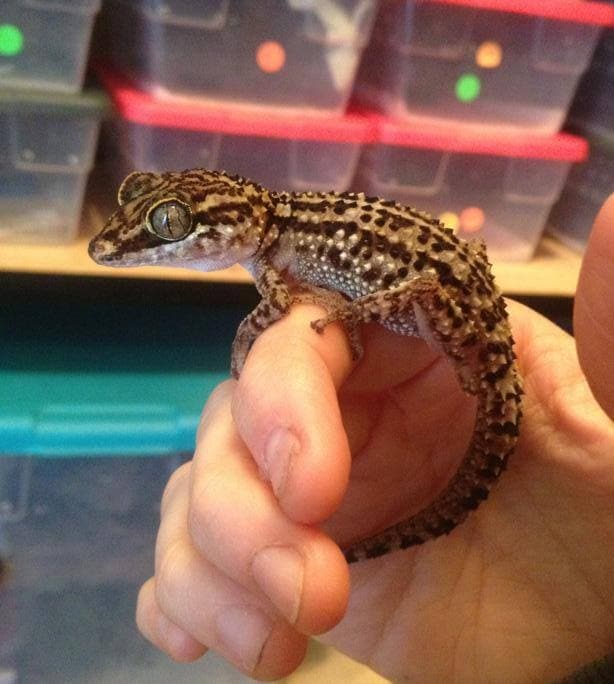
Paroedura lohatsara
Paroedura lohatsara is a critically endangered gecko species native to a single mountain range in northern Madagascar. These small to medium-sized geckos are characterized by their brown coloration with black speckling, which can form longitudinal bands in adults, and a distinct banded pattern in juveniles. Primarily ground-dwelling but also found on boulders and low tree branches, they are nocturnal and face significant threats from habitat destruction.