
Varanus mitchelli
Mitchell's water monitor (Varanus mitchelli) is a semiaquatic monitor lizard native to northern Australia, distinguished by orange or yellow neck stripes and dark spots on its back. It inhabits swamps, lagoons, and rivers, often found near water and in trees. This critically endangered species primarily feeds on small terrestrial and aquatic prey.
Key Facts
- ›Native to the northern river systems of Western Australia and the Northern Territory.
- ›Distinguishing features include orange/yellow neck stripes and dark spots on its back.
- ›Inhabits swamps, lagoons, inland rivers, and trees near water.
- ›Primarily carnivorous, preying on smaller lizards, birds, insects, fish, and frogs.
- ›Listed as Critically Endangered by the IUCN, with a declining population.
- ›Reproduction is oviparous, with eggs laid between April and June.

Mitchell's Water Monitor, Goanna
Western Australia, Northern Territory
Swamp, Lagoon, Inland River, Aquatic Environments, Trees Near Water
- Reaches A Total Length of Up To 70 cm .
- Features A Long, Slender Neck and A Pointed Head.
- Generally Dark Brown Or Black Coloration.
- Small Yellow and White Spots On Limbs and Head.
- Ocelli With Dark Centers and Yellow Stripes Along Its Sides.
- Rough Skin With Numerous Wrinkles.
- Underside Is A Light Cream Color.
Smaller Lizards, Small Mammals, Nestling Birds, Reptile Eggs, Terrestrial Invertebrates, Fish, Crabs, Frogs
- Semiaquatic
- Often Found On Trees Near Water
- Climbs Trees To Shelter In Hollows Or Under Bark
- Heads To Water When Disturbed
- Basks On Rocks Near Water
- Nervous and Shy In Captivity
Cane Toads, Habitat Loss, Habitat Degradation, Climate Change, Contact With Humans, Live Export For Global Markets
About Varanus mitchelli
Mitchell's Water Monitor (Varanus mitchelli)
Mitchell's water monitor, scientifically known as Varanus mitchelli, is a semiaquatic species of monitor lizard native to the northern regions of Australia. This species is characterized by its distinctive orange or yellow stripes along its neck and dark spots adorning its back. It inhabits a variety of riparian environments, including swamps, lagoons, and inland rivers, often taking refuge in trees near the water's edge.
Description and Habitat
Reaching a total length of up to 70 cm (28 inches), Varanus mitchelli possesses a slender build with a long neck and a pointed head. Its coloration is typically dark brown or black, accented by small yellow and white spots on its limbs and head, and ocelli with dark centers. The skin is rough and wrinkled, contrasting with a light cream-colored underside. These lizards are often observed basking on rocks near water and will retreat into the water if disturbed. They prefer to shelter in tree hollows or under bark.
Diet and Reproduction
The diet of Mitchell's water monitor is primarily carnivorous, consisting of smaller animals from both terrestrial and aquatic environments. This includes prey such as smaller lizards, small mammals, nestling birds, reptile eggs, terrestrial invertebrates, fish, crabs, and frogs. Their diet can vary seasonally, influenced by factors like flooding during the wet season. The species is oviparous, reproducing during the dry season. Females lay clutches of eggs, typically numbering between 3 and 12, with recorded clutch sizes in captivity sometimes reaching up to 20.
Conservation Status and Threats
Varanus mitchelli is currently listed as Critically Endangered by the IUCN, facing a significant decline in population. The introduction of invasive cane toads into Australia poses a major threat, as these poisonous amphibians are mistaken for native prey, leading to fatal poisoning. Other considerable threats include widespread habitat loss due to land clearing, habitat degradation exacerbated by climate change, and mortality resulting from human activities, such as road accidents. The species has also been subject to export for the global pet trade.
Conservation Efforts
Ongoing research is focused on developing strategies to mitigate the impact of cane toads on monitor lizard populations. Conditioned Taste Aversion Therapy (CTA) is being explored, where lizards learn to associate the taste of cane toads with illness, thereby avoiding them in the future. This involves offering small, non-lethal cane toads as 'teacher toads' to induce this aversion. Efforts are also underway to protect existing populations in areas already affected by cane toads, as well as initiatives like the Northern Territory Government's Island Arks program aimed at conserving species impacted by these invasive toads.
Source: Wikipedia ↗
Frequently Asked Questions
What is Varanus mitchelli commonly known as?
Varanus mitchelli is commonly known as Mitchell's water monitor. In Australia, it is also colloquially referred to as a goanna, a name derived from the word iguana.
What does Mitchell's water monitor eat?
Mitchell's water monitor is mainly carnivorous. Its diet includes smaller lizards, small mammals, nestling birds, reptile eggs, terrestrial invertebrates, fish, crabs, and frogs. The diet changes seasonally based on flooding.
Where can I find Mitchell's water monitor?
This species is found along all northern river systems in the Kimberly Region of Western Australia and the Northern Territory. They inhabit swamps, lagoons, inland rivers, and other bodies of water, often perching in trees near the water.
What are the biggest threats to Mitchell's water monitor?
The most significant threat is the spread of poisonous cane toads, which the lizards mistakenly prey upon. Habitat loss due to land clearing, habitat degradation from climate change, and human-related deaths also pose risks. The species has also been exported for the global pet market.
What is the conservation status of Mitchell's water monitor?
Mitchell's water monitor is classified as Critically Endangered on the IUCN Red List, with its population continuing to decline. The introduction of cane toads has drastically reduced their numbers in certain areas.
How does Mitchell's water monitor reproduce?
Mitchell's water monitor is oviparous, meaning it lays eggs. Females lay eggs between April and June during the dry season, with clutch sizes typically ranging from 3 to 12 eggs.
What is the typical lifespan of Mitchell's water monitor?
Mitchell's water monitor typically lives around 10 years. In captivity, while rarely kept, clutch sizes can be larger, and they are known to breed successfully.
Related Lizards
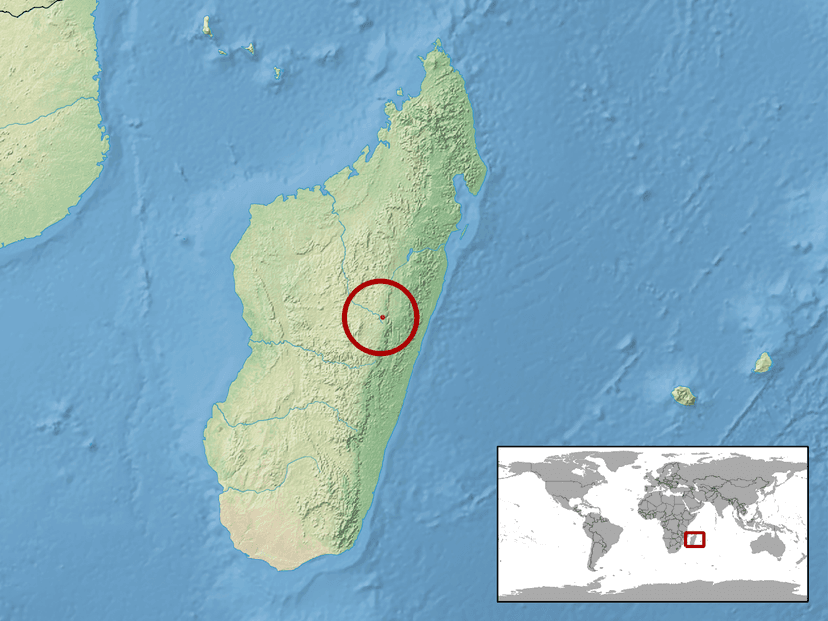
Phelsuma pronki
Phelsuma pronki, also known as Pronk's day gecko, is a critically endangered species endemic to central Madagascar. This diurnal gecko is characterized by its small size, greyish body, yellow head with black stripes, and a yellow eye ring. It inhabits rainforests, dwelling on trees and feeding on insects and nectar, but faces significant threats from habitat loss and the pet trade.

Harran fringe-toed lizard
The Harran fringe-toed lizard (Acanthodactylus harranensis) is a critically endangered lizard species endemic to southeastern Anatolia, specifically known from the ancient ruins of Harran, Turkey. It is characterized by its relatively large, stout body, a tail longer than its body, and distinctive dorsal stripes or spots. This species inhabits rocky areas with sparse steppe vegetation and is threatened by increasing tourism and habitat degradation.
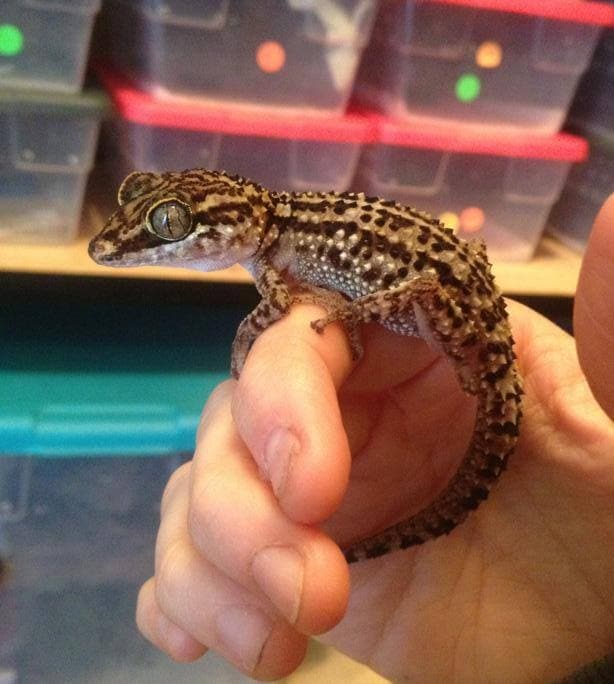
Paroedura lohatsara
Paroedura lohatsara is a critically endangered gecko species native to a single mountain range in northern Madagascar. These small to medium-sized geckos are characterized by their brown coloration with black speckling, which can form longitudinal bands in adults, and a distinct banded pattern in juveniles. Primarily ground-dwelling but also found on boulders and low tree branches, they are nocturnal and face significant threats from habitat destruction.