
Amazonian manatee
Mammalia, Sirenia, Trichechidae·Freshwater environments, including flooded forests, meadows, backwater lakes, oxbows, and lagoons with abundant aquatic vegetation.·Vulnerable·flat, rounded, horizontal paddle
The Amazonian manatee (Trichechus inunguis), also known as cowfish in Brazil, is the smallest of the three extant manatee species. It inhabits the freshwater basins of the Amazon River in South America and is distinguished by its thin, wrinkled gray or brownish skin, fine body hairs, and a white chest patch. This docile herbivore is uniquely adapted to its aquatic environment and faces significant threats from illegal hunting.
Key Facts
- ›It is the smallest of the three extant manatee species.
- ›The Amazonian manatee is the only sirenian that lives exclusively in freshwater habitats.
- ›It possesses continuously replaced, horizontally migrating cheek teeth, a trait shared only with elephants among mammals.
- ›They are primarily herbivorous, feeding on a variety of aquatic plants and occasionally palm fruits.
- ›Illegal hunting for meat and other products is the primary threat to the species' survival.
- ›The species is classified as Vulnerable by the IUCN due to population declines.
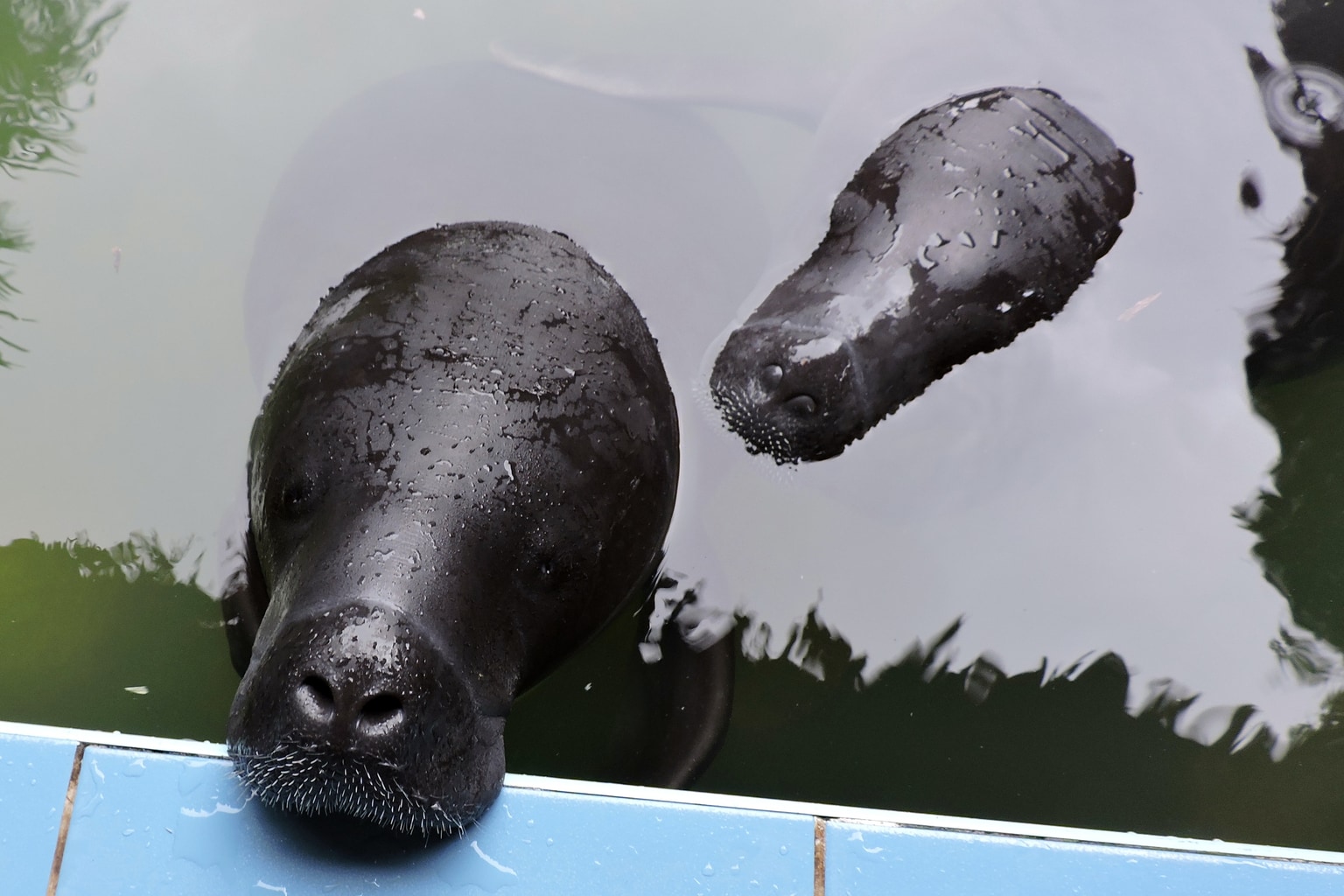
Cowfish
Brazil, Peru, Colombia, Ecuador
- Smallest of the Three Extant Manatee Species.
- Thin, Wrinkled Brownish Or Gray Colored Skin.
- Fine Hairs Scattered Over the Body.
- Distinct White Or Bright Pink Patch On the Breast.
- Forelimbs Modified Into Flippers Without Vestigial Nails.
- Rear of the Body Forms A Flat, Rounded, Horizontal Paddle-Like Tail.
- Upper Lip Modified Into A Large, Bristly Surface Capable of Independent Movement.
- Nocturnal and Diurnal.
- Lives Almost Entirely Underwater, Surfacing For Air About Every Five Minutes.
- Makes Seasonal Movements Synchronized With Amazon Basin Flood Regimes.
- Can Become Restricted To Deep Water Bodies During the Dry Season and May Fast.
- Mainly Solitary But May Gather In Small Groups.
- Vocalizes, Particularly Between Mothers and Calves.
Illegal Hunting, Calf Mortality, Climate Change, Habitat Loss, Pollution, Accidental Drowning In Fishing Nets, Oil Spills, Increased Boat Traffic
Jaguars, Sharks, Caimans
About Amazonian manatee
The Amazonian manatee (Trichechus inunguis) is a distinct species of sirenian found exclusively in the freshwater river systems of the Amazon Basin in South America, spanning countries like Brazil, Peru, Colombia, and Ecuador. It is the smallest of the three living manatee species and is characterized by its thin, wrinkled gray or brownish skin, fine body hairs, and a notable white or pink patch on its chest. This docile, herbivorous mammal is uniquely adapted to its aquatic environment, possessing specialized teeth that continuously replace throughout its life and a body shape suited for navigating slow-moving waters.
Life and Ecological Role
Amazonian manatees are entirely aquatic and spend their lives in freshwater habitats such as flooded forests, lakes, and lagoons. They are herbivores, consuming large quantities of aquatic vegetation, including water hyacinths and water lettuce, and occasionally palm fruits. Their feeding behavior is influenced by the seasonal flooding of the Amazon, with populations moving to areas of abundant food during the wet season and congregating in deeper waters during the dry season, where they can survive for extended periods with little food due to low metabolic rates and fat reserves. They thermoregulate using changes in blood flow and subcutaneous fat.
Physical Characteristics
Distinguishing features of the Amazonian manatee include its smooth, rubbery skin and the absence of nails on its flippers, setting it apart from other manatee species. They are large, cylindrical mammals with forelimbs adapted into flippers used for movement and manipulation, and a broad, paddle-like tail for propulsion. A unique characteristic is their polyphyodont dentition, where cheek teeth are continuously replaced horizontally, a trait shared only with elephants among mammals. They also possess a modified upper lip with a bristly surface that allows for independent movement of each side while feeding.
Behavior and Reproduction
These manatees are both diurnal and nocturnal and undertake seasonal migrations tied to water levels. While generally solitary, they may form small groups. They are known to vocalize, particularly between mothers and their calves. The Amazonian manatee is a seasonal breeder, with a gestation period of 12 to 14 months. Calves are born weighing around 10-15 kg and remain with their mothers for 12 to 18 months, learning essential survival behaviors. In the wild, they can live for approximately 30 years.
Conservation Status and Threats
The Amazonian manatee is listed as Vulnerable by the IUCN, primarily due to significant population declines. The most critical threat is illegal hunting, driven by the demand for their meat and other products. They are also vulnerable to habitat degradation, pollution from mining activities, and accidental drowning in fishing nets. Conservation efforts include legal protections in some countries, though hunting continues even in protected areas. Accurate population estimates are hindered by their murky water habitat.
Source: Wikipedia ↗
Frequently Asked Questions
What distinguishes the Amazonian manatee from other manatees?
The Amazonian manatee is the smallest of the manatee species and lacks the vestigial nails found on the flippers of other manatees. It also has smoother, rubbery skin and a very small degree of rostral deflection, an adaptation for feeding near the water surface.
Where do Amazonian manatees live?
Amazonian manatees are found in the Amazon River Basin, primarily in Brazil, Peru, Colombia, and Ecuador. They inhabit freshwater environments such as flooded forests, meadows, backwater lakes, oxbows, and lagoons.
What do Amazonian manatees eat?
These manatees are herbivores and feed on a variety of aquatic plants, including water lettuce, grasses, water lilies, and particularly water hyacinths. They are also known to eat palm fruits that fall into the water.
How long do Amazonian manatees live?
Wild Amazonian manatees have an average lifespan of about 30 years. The record captive lifespan is 17 years.
What are the main threats to the Amazonian manatee?
The most significant threat is illegal hunting for their meat, fat, and skin. Other threats include calf mortality, climate change, habitat loss, pollution, and accidental drowning in fishing nets.
How do Amazonian manatees regulate their body temperature?
They rely on changes in peripheral circulation, using sphincters to control blood flow to areas in contact with water, and also use subcutaneous fat to reduce heat loss.
Related Manatees & Dugongs
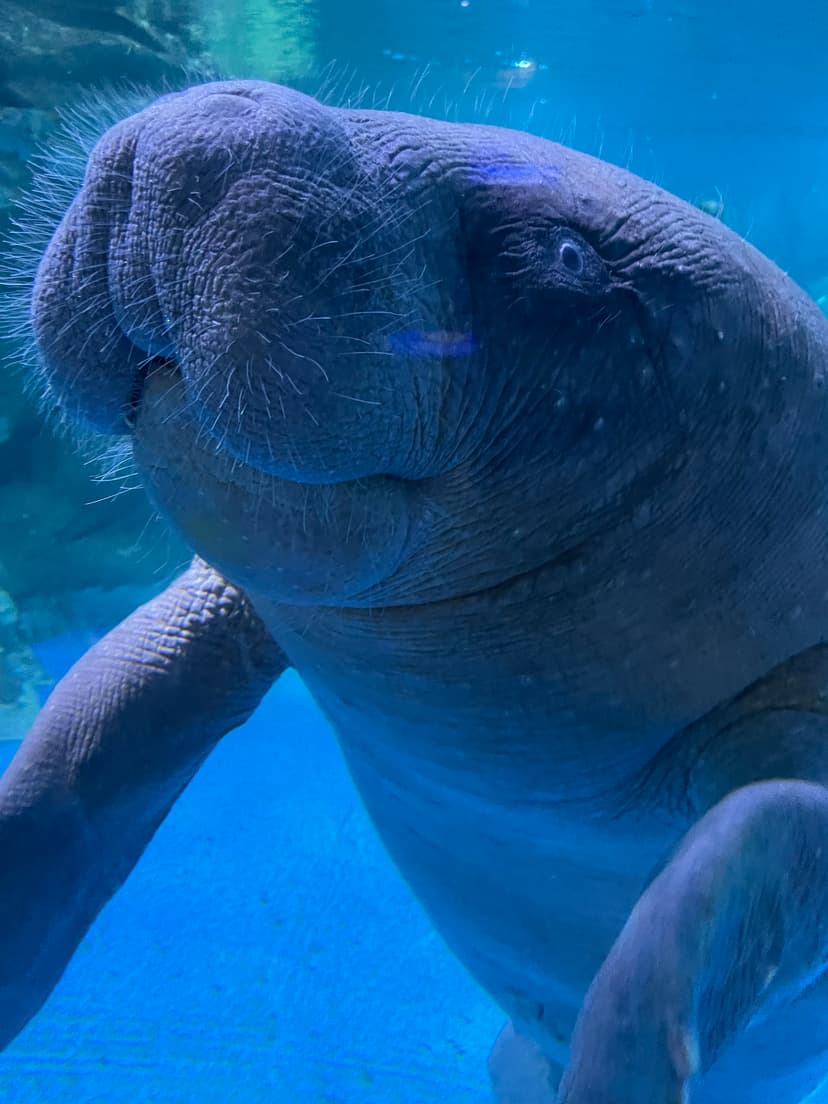
West African manatee
The West African manatee, scientifically known as Trichechus senegalensis, is the sole manatee species found in the Old World, inhabiting coastal and inland waters from Senegal to Angola. It is distinguished by its unique ability to tolerate both saltwater and freshwater environments and its occasional consumption of non-plant material, setting it apart from other sirenian species.
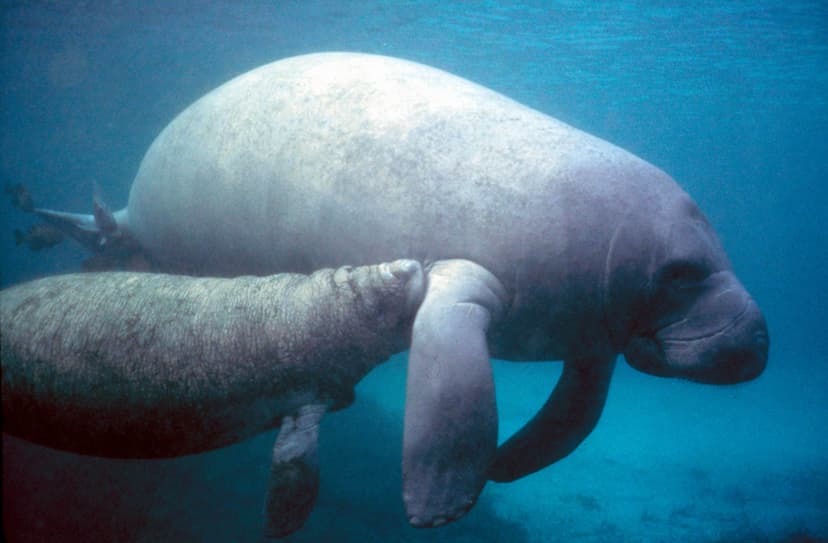
West Indian manatee
The West Indian manatee is a large, herbivorous marine mammal found in warm coastal waters from the southeastern United States to northern Brazil. Distinctive for its prehensile snout, sensitive whiskers (vibrissae), and paddle-like tail, it navigates shallow aquatic environments, feeding on over 60 species of plants. Facing threats from human activities, this species is a focus of ongoing conservation efforts.
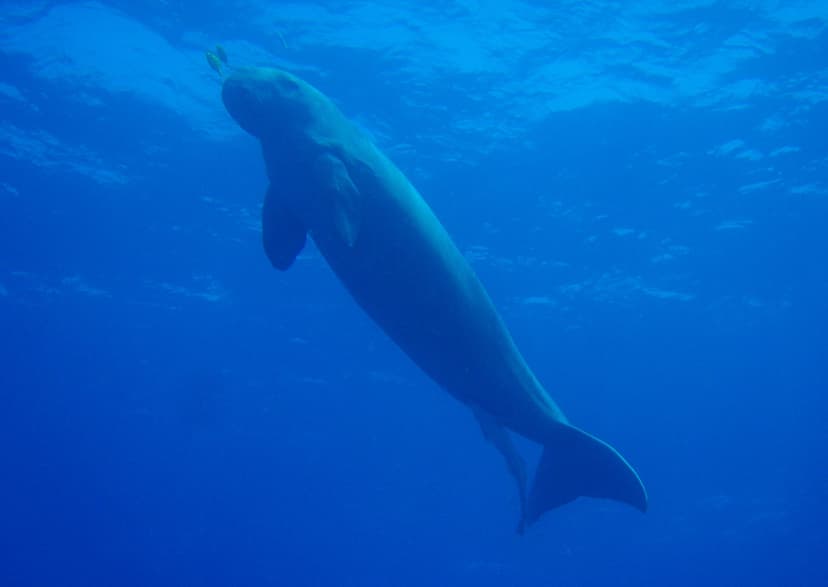
Dugong
The dugong is a marine mammal and the only surviving species of the family Dugongidae, found in the Indo-West Pacific region. Distinctive for its dolphin-like fluke tail and sharply downturned snout, it is a strictly herbivorous creature that relies heavily on seagrass for sustenance. Despite facing numerous threats, its slow reproduction rate and long lifespan make it particularly vulnerable to population decline.