
West African manatee
Mammalia, Sirenia, Trichechidae·Oceans, rivers, lakes, coastal estuaries, reservoirs, lagoons, and bays, in brackish and freshwater environments, preferring waters with temperatures above 18°C (64°F).·Vulnerable·paddle-like
The West African manatee, scientifically known as Trichechus senegalensis, is the sole manatee species found in the Old World, inhabiting coastal and inland waters from Senegal to Angola. It is distinguished by its unique ability to tolerate both saltwater and freshwater environments and its occasional consumption of non-plant material, setting it apart from other sirenian species.
Key Facts
- ›It is the only manatee species found in the Old World.
- ›Inhabits a wide range of aquatic environments, from coastal areas to inland rivers and lakes.
- ›Can tolerate both saltwater and freshwater, with a need for freshwater for drinking.
- ›Diet primarily consists of aquatic vegetation but may include small amounts of animal matter.
- ›No subspecies of the African manatee are known.
- ›Listed on Appendix I of CITES, indicating strict international trade regulations.
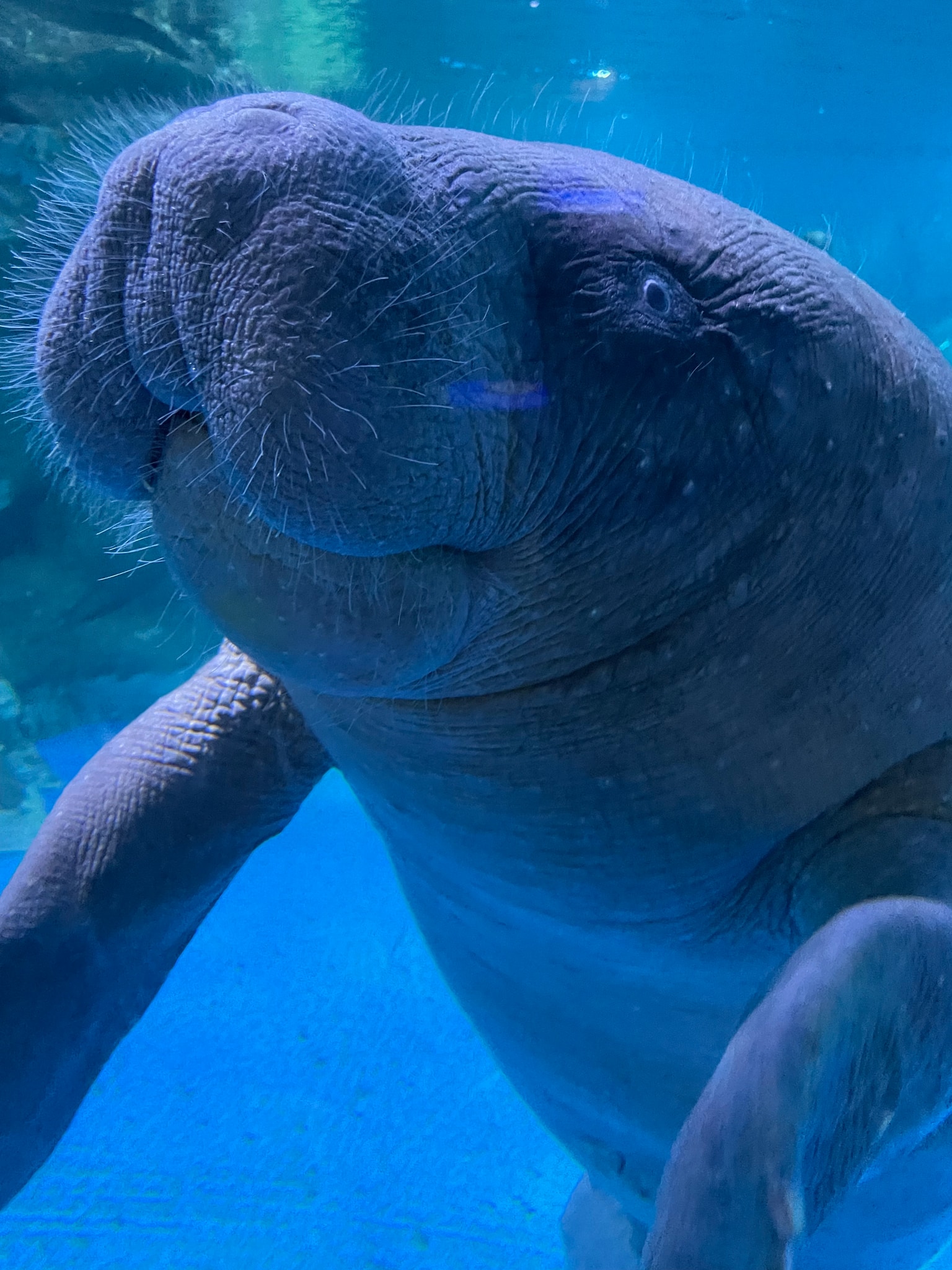
African Manatee
Angola, Benin, Cameroon, Chad, Republic of the Congo, Democratic Republic of the Congo, CôTe D'Ivoire, Equatorial Guinea, Gabon, the Gambia, Ghana, Guinea, Guinea-Bissau, Liberia, Mali, Mauritania, Niger, Nigeria, Senegal, Sierra Leone, Togo
- Body Widest At the Middle.
- Paddle-Shaped Tail.
- Gray In Color, Covered With Small, Colorless Hairs, Often Appearing Brown Or Greenish Due To Algae Growth.
- Calves Are Darker When Very Young.
- Up To 4.5 Meters In Length.
- Weighs About 360 Kilograms .
- Large Forelimbs With Nails, Used For Paddling and Bringing Food To the Mouth.
- Possesses Strong Molars As Its Only Teeth; Vestigial Incisors Are Lost With Maturity.
- No Hind Limbs.
- Nocturnal Activity, With Feeding and Movement Occurring Towards the End of the Day and During the Night.
- Dozes In Shallow Water During the Day.
- Migrates Upstream During Rainy Seasons In Some Regions.
- Lives In Social Groups of 1 To 6 Individuals.
- Engages In Bonding Behaviors Through Touch, Verbal Communication, and Smell.
- Can Travel In Larger Groups During Migration For Warmer Water and Food.
- Hunting For Meat, Oil, Bones, and Skin For Commercial and Medicinal Purposes.
- Habitat Loss Due To Urban and Agricultural Development.
- Construction of Dams, Leading To Habitat Fragmentation and Potential Drowning In Turbines.
- Entanglement In Fishing Nets and Trawls.
- Boat Strikes.
- Accidental Stranding Due To Natural Events Like Droughts and Tidal Changes.
- Destruction of Rice Crops, Leading To Retaliatory Hunting.
- Starvation In Drying River Systems Like the Niger River.
Sharks, Crocodiles
About West African manatee
What is the West African Manatee?
The West African manatee (Trichechus senegalensis) is a large, marine mammal native to the western coast of Africa, ranging from Senegal to Angola. It is the only species of manatee found in the Old World, making it a unique member of the sirenian order, which also includes the dugong. This species is notable for its adaptability, inhabiting a wide array of aquatic environments, from coastal lagoons and estuaries to inland rivers and lakes.
Habitat and Range
West African manatees exhibit one of the broadest habitat ranges among sirenians. They can be found in both saltwater and freshwater, including oceans, rivers, lakes, coastal estuaries, reservoirs, and bays. While they prefer waters warmer than 18°C (64°F), they are known to travel significant distances, sometimes up to 75 kilometers offshore to areas with shallow seagrass beds. Inland populations often rely on permanent lakes as refuges during dry seasons and may ascend rivers during rainy periods. However, human-made dams have fragmented habitats and isolated populations.
Diet and Behavior
Primarily herbivorous, the West African manatee's diet consists mainly of aquatic vegetation, such as overhanging plants and mangrove trees. Uniquely among manatees, they have been observed to occasionally consume small amounts of non-plant material, like mollusks and fish. These animals are typically slow-moving, with average speeds between 4.8 and 8.0 km/h, though they can reach up to 32 km/h when threatened. They are largely nocturnal, spending daylight hours resting in shallow waters and becoming active at night to feed and travel. West African manatees are social creatures, often forming bonds within small groups through touch, vocalization, and scent.
Physical Characteristics and Reproduction
Adult West African manatees can reach lengths of up to 4.5 meters (15 feet) and weigh around 360 kilograms (790 pounds). Their bodies are gray, covered in small hairs, and their tails are paddle-shaped. They possess large flippers with nails, used for locomotion and manipulating food. Reproduction occurs year-round, with females giving birth to a single calf after a gestation period of approximately 13 months. While males mature later, mating is often competitive, with multiple males sometimes pursuing a single female. The strongest social bonds observed are typically between a mother and her calf.
Conservation Status and Threats
The West African manatee is listed as Vulnerable due to numerous threats. These include poaching for meat, oil, bones, and skin, as well as habitat degradation from agricultural and urban development. Manatees are also at risk from boat strikes, entanglement in fishing gear, and drowning in hydroelectric dam turbines. Despite legal protections, enforcement is often weak, and conservation efforts, such as the West African Manatee Conservation Project, aim to gather data and raise awareness to better protect this species.
Source: Wikipedia ↗
Frequently Asked Questions
Where do West African manatees live?
West African manatees are found along the western coast of Africa, from Senegal in the north to Angola in the south. Their habitat includes coastal waters, estuaries, lagoons, rivers, and inland lakes across numerous countries in the region.
What do West African manatees eat?
The diet of the West African manatee is primarily composed of aquatic plants, including overhanging vegetation from river banks and mangrove trees in estuaries. Uniquely among sirenians, they are known to occasionally consume small amounts of non-plant material like clams, mollusks, and fish.
Are West African manatees freshwater or saltwater animals?
West African manatees are adaptable and inhabit both saltwater and freshwater environments. They are often found in coastal lagoons and estuaries, but also venture into rivers and inland lakes, though they require access to freshwater for drinking.
What makes the West African manatee unique?
The West African manatee is unique as the only manatee species in the Old World and one of only two sirenians there. It also stands out for its ability to thrive in a wider variety of habitats than other manatees and its occasional consumption of non-plant food items.
What are the main threats to West African manatees?
Major threats include hunting for their meat, oil, bones, and skin, as well as habitat degradation due to urban and agricultural development. The construction of dams, accidental entanglement in fishing gear, and boat strikes also pose significant risks.
How are West African manatees conserved?
Conservation efforts have involved projects to gather data on populations, economic value, and habitat range through surveys. International trade is strictly regulated under CITES Appendix I, and although laws exist for their protection, enforcement remains a challenge.
Related Manatees & Dugongs
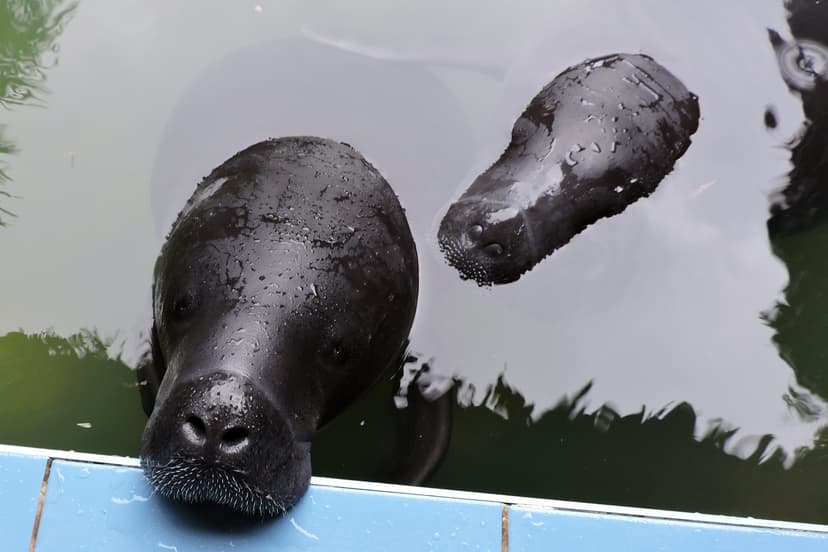
Amazonian manatee
The Amazonian manatee (Trichechus inunguis), also known as cowfish in Brazil, is the smallest of the three extant manatee species. It inhabits the freshwater basins of the Amazon River in South America and is distinguished by its thin, wrinkled gray or brownish skin, fine body hairs, and a white chest patch. This docile herbivore is uniquely adapted to its aquatic environment and faces significant threats from illegal hunting.
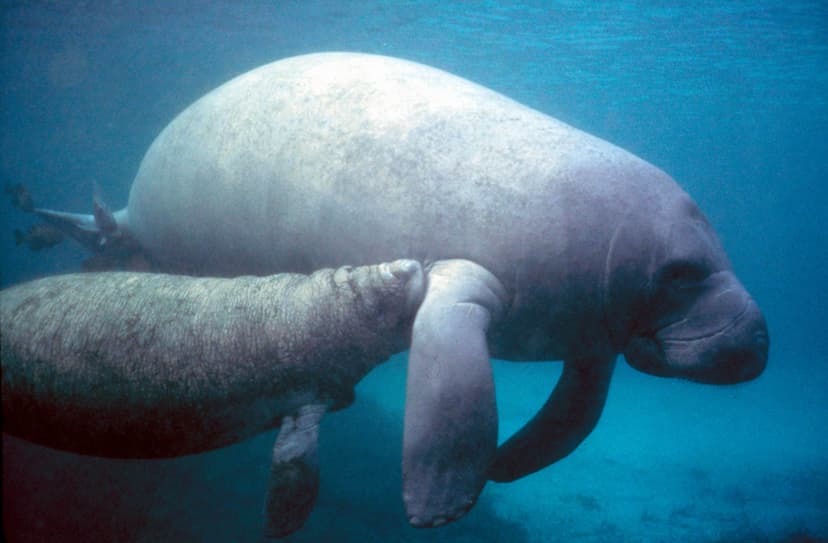
West Indian manatee
The West Indian manatee is a large, herbivorous marine mammal found in warm coastal waters from the southeastern United States to northern Brazil. Distinctive for its prehensile snout, sensitive whiskers (vibrissae), and paddle-like tail, it navigates shallow aquatic environments, feeding on over 60 species of plants. Facing threats from human activities, this species is a focus of ongoing conservation efforts.
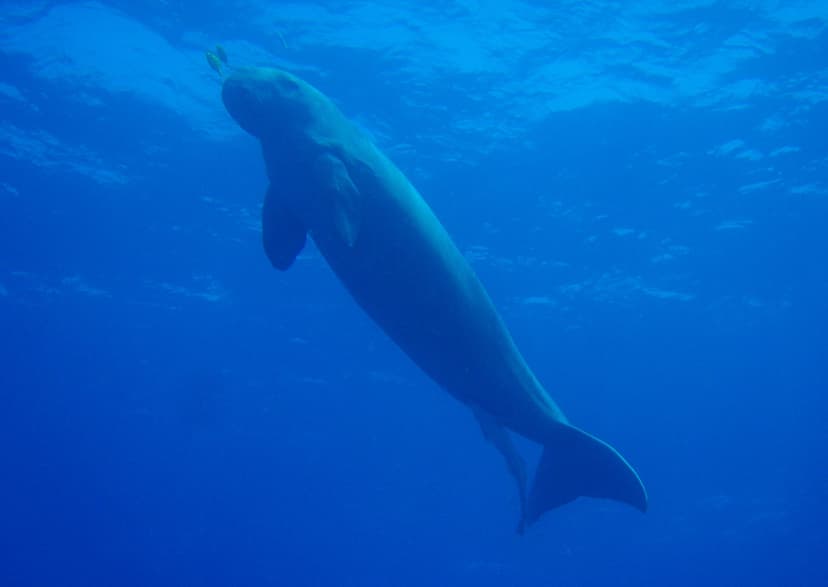
Dugong
The dugong is a marine mammal and the only surviving species of the family Dugongidae, found in the Indo-West Pacific region. Distinctive for its dolphin-like fluke tail and sharply downturned snout, it is a strictly herbivorous creature that relies heavily on seagrass for sustenance. Despite facing numerous threats, its slow reproduction rate and long lifespan make it particularly vulnerable to population decline.