
Sir David's long-beaked echidna
Mammalia, Monotremata, Zaglossus·Critically Endangered·long beak·Sir David's long-beaked echidna
Sir David's long-beaked echidna (Zaglossus attenboroughi) is a critically endangered monotreme species found in the Cyclops Mountains of Western New Guinea. It is the smallest member of the Zaglossus genus and is distinguished by its long beak and five-clawed feet. This species primarily feeds on earthworms and is nocturnal, exhibiting defensive behavior by rolling into a spiky ball. Despite being named in honor of Sir David Attenborough, it remained unconfirmed by scientific sightings for decades until recent video footage captured its presence, confirming its survival after being presumed extinct.
Key Facts
- ›Critically endangered status by IUCN.
- ›Found in the Cyclops Mountains of Western New Guinea.
- ›Smallest member of the genus Zaglossus.
- ›Feeds primarily on earthworms.
- ›Nocturnal with defensive spiky ball behavior.
- ›Rediscovered via video footage in November 2023 after decades without confirmed sightings.
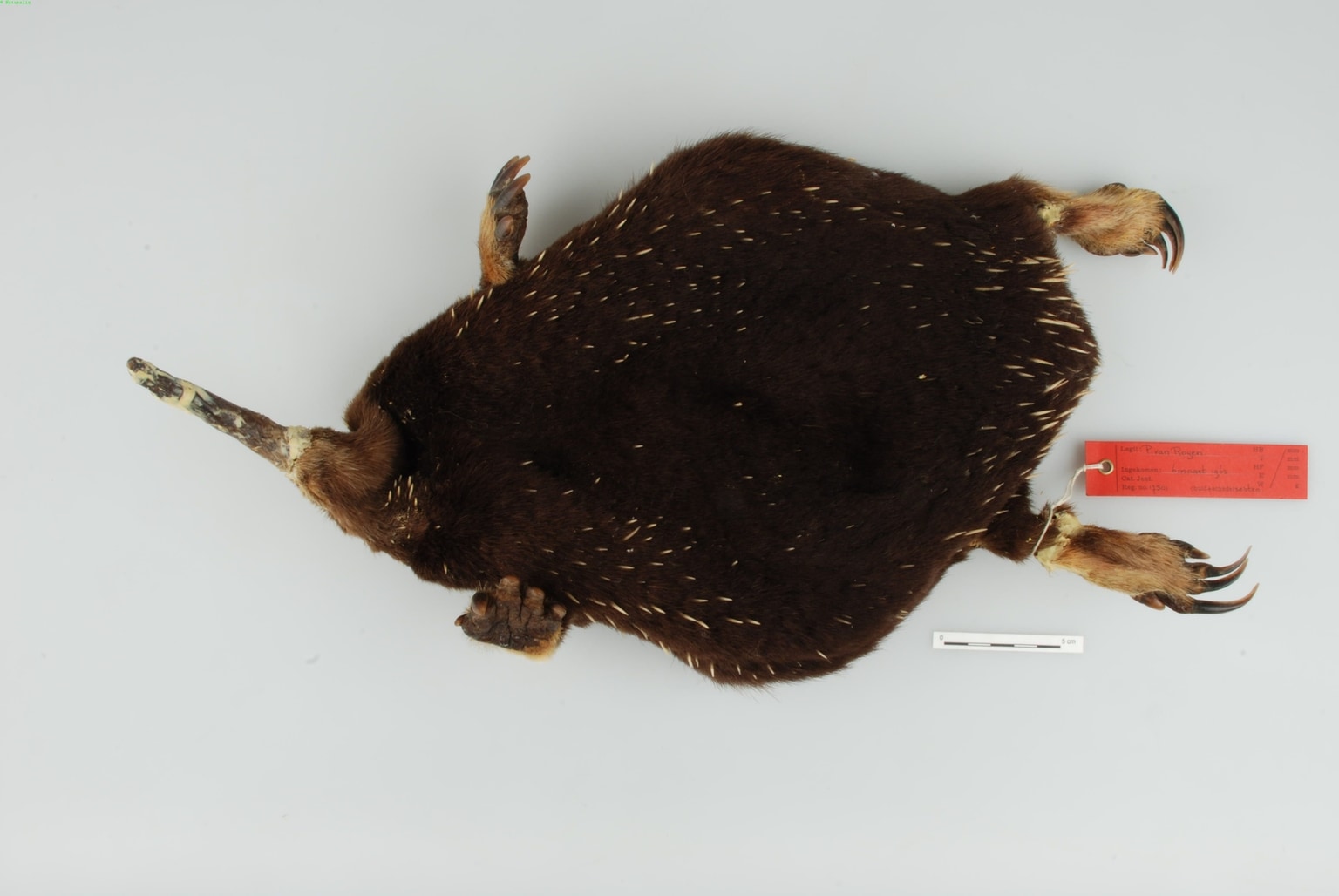
Mountain-Top Habitat, Terrestrial, Burrowing
Smallest Member of the Genus Zaglossus., Closer In Size To the Short-Beaked Echidna., Estimated Weight of 2 To 3 Kilograms., Male Is Larger Than the Female., Males Have Spurs On Their Hind Legs., Five Claws On Each Foot., Short, Very Fine, and Dense Fur.
- Nocturnal.
- Rolls Into A Spiky Ball When Threatened.
- Solitary, Coming Together Only To Mate Once A Year.
- Uses Unique Feeding Technique Involving 'Nose Pokes' To Find Food.
- Courtship Behavior Observed, Including Males Following Females.
Walking, Burrowing
About Sir David's long-beaked echidna
What is Sir David's long-beaked echidna?
Sir David's long-beaked echidna, scientifically identified as Zaglossus attenboroughi, is a remarkable and exceedingly rare monotreme species inhabiting the remote Cyclops Mountains of Western New Guinea. Named in honor of the esteemed naturalist Sir David Attenborough for his contributions to public appreciation of wildlife, this echidna is the smallest member of the Zaglossus genus. It shares the unique mammalian trait of laying eggs, a characteristic also found in reptiles and birds, yet it nourishes its young with milk from mammary glands.
Description and Characteristics
This species is distinguished by its relatively small size, comparable to the short-beaked echidna, with an estimated weight between 2 to 3 kilograms. Males are larger than females and possess spurs on their hind legs. Like other long-beaked echidnas, it has five claws on each foot and is covered in short, fine, and dense fur, well-suited to its mountain-top environment. Its diet primarily consists of earthworms, a preference that sets it apart from other echidnas that often feed on termites and ants. Sir David's long-beaked echidna is a nocturnal creature, and when it perceives a threat, it exhibits a defensive behavior by curling into a spiky ball, similar to a hedgehog.
Habitat and Conservation
The known habitat of Zaglossus attenboroughi is restricted to the Cyclops Mountains, near the northern coast of New Guinea, in the Indonesian province of Papua. This species has faced significant challenges to its survival, with ongoing human activities impacting its forest habitat. It is classified as critically endangered by the IUCN due to threats from hunting and habitat loss. For many years, the species was only known from a single damaged specimen collected in 1961, leading to fears that it might be extinct. However, expeditions in 2007 found evidence of its presence, and in November 2023, the first video footage of a living individual was captured, more than 60 years after its last scientific sighting. Efforts are underway, including educational campaigns in local communities, to protect this unique species and halt traditional hunting practices.
Reproduction
Sir David's long-beaked echidna is not a social animal, with individuals only coming together for mating once a year, typically in July. Following mating, the female lays eggs, and the offspring remains in her temporary pouch for approximately eight weeks, or until its spines develop. Observations in 2023 suggested courtship behavior among multiple individuals, indicating that the population is reproducing.
Source: Wikipedia ↗
Frequently Asked Questions
What is Sir David's long-beaked echidna?
Sir David's long-beaked echidna, scientifically known as Zaglossus attenboroughi, is a rare and critically endangered monotreme species. It is the smallest of the long-beaked echidnas and inhabits the remote Cyclops Mountains in Western New Guinea.
Where does Sir David's long-beaked echidna live?
This species is endemic to the Cyclops Mountains, located near Sentani and Jayapura in the Indonesian province of Papua, Western New Guinea. Its habitat is at high altitudes, around 1,600 meters (5,200 ft).
What does Sir David's long-beaked echidna eat?
Unlike some other echidna species that prefer termites and ants, Sir David's long-beaked echidna has a diet that consists primarily of earthworms. It uses its long beak to probe the soil for its prey.
What is the conservation status of Sir David's long-beaked echidna?
Sir David's long-beaked echidna is classified as critically endangered by the International Union for Conservation of Nature (IUCN). This status reflects significant threats from hunting and habitat loss in its limited range.
When was Sir David's long-beaked echidna last seen?
There were no confirmed sightings of Sir David's long-beaked echidna between its initial collection in 1961 and November 2023. In November 2023, the first video footage of a living individual was recorded, confirming its existence after decades of being presumed extinct or lost.
Related Monotreme species
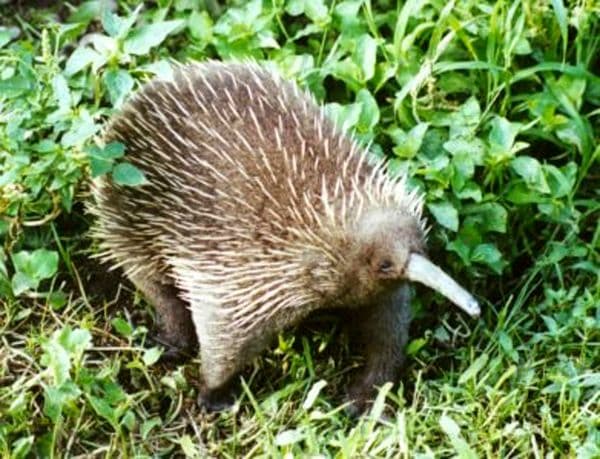
Western long-beaked echidna
The western long-beaked echidna (Zaglossus bruijnii), also known as Bruijn's long-beaked echidna, is the largest extant monotreme and a critically endangered species. It is characterized by its egg-laying ability, long snout, and fur that almost obscures its spines. Primarily found in the montane forests of Western New Guinea, its presence in Australia is debated but suggested by a historical specimen and indigenous accounts. This species is significant for its unique evolutionary position and faces threats from habitat loss and hunting.
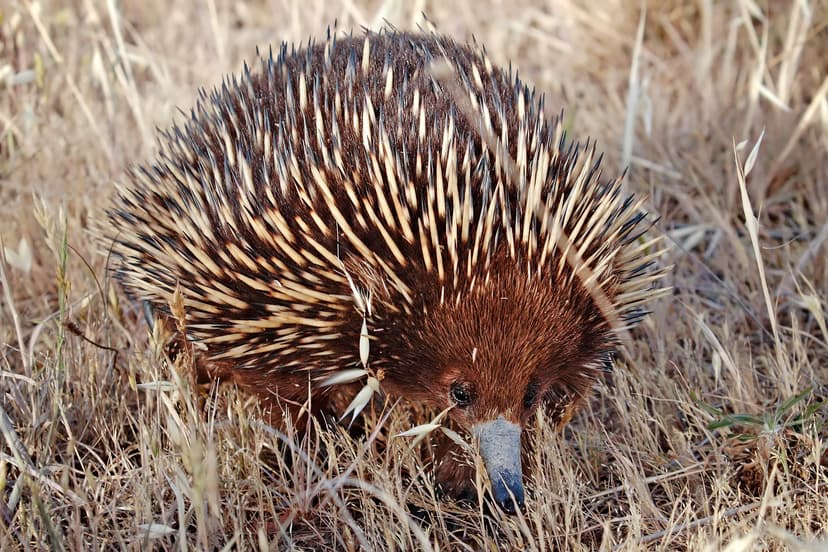
Short-beaked echidna
The short-beaked echidna (Tachyglossus aculeatus), also known as the common echidna or short-nosed echidna, is one of four living species of echidna and the sole member of the genus Tachyglossus. This mammal is characterized by its covering of fur and spines, a distinctive snout, and a specialized, fast-moving tongue used for catching insect prey. As a monotreme, it uniquely lays eggs, a trait shared with reptiles and birds, while also possessing mammary glands to nourish its young. The short-beaked echidna is found throughout Australia, making it the most widespread native mammal there, and in coastal and highland regions of eastern New Guinea. It is a crucial species in understanding mammalian evolution, representing a link to ancient mammalian ancestors.
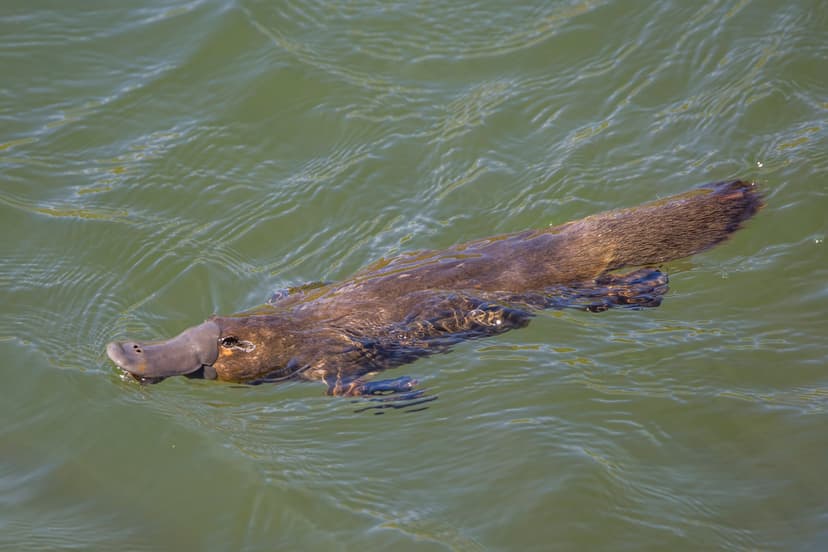
Platypus
The platypus (Ornithorhynchus anatinus) is a unique, semiaquatic, egg-laying mammal native to eastern Australia. It is the sole living species in its genus and family, representing a vital link in mammalian evolution alongside the echidnas. Known for its distinctive duck-like bill, beaver-like tail, and webbed feet, the platypus possesses electroreception to find prey underwater and males have venomous spurs on their hind legs. This iconic Australian animal plays a significant role in evolutionary studies and cultural symbolism.