
× Brassocattleya
× Brassocattleya
× Brassocattleya, abbreviated Bc., is an intergeneric orchid hybrid resulting from the crossbreeding of Brassavola and Cattleya genera. These orchids encompass both naturally occurring hybrids found in Brazil and those developed through cultivation, known by their grex names.
Key Facts
- ›Intergeneric orchid hybrid derived from Brassavola and Cattleya.
- ›Includes both natural hybrids and cultivated varieties.
- ›Natural hybrids are found in Brazil.
- ›Abbreviated as BC. in the horticultural trade.
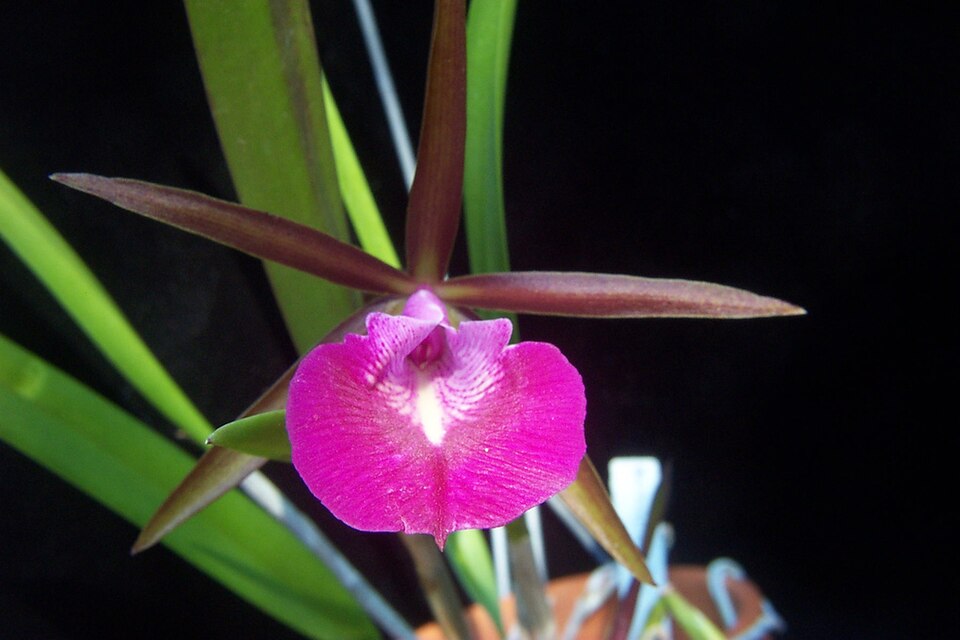
About × Brassocattleya
× Brassocattleya, often abbreviated as Bc. in horticultural circles, is a captivating intergeneric hybrid orchid. This distinctive group of orchids arises from the genetic fusion of two prominent orchid genera: Brassavola and Cattleya. The lineage of × Brassocattleya includes hybrids that have evolved naturally in the wild, as well as those meticulously developed through human cultivation.
Natural Occurrences and Cultivation
The natural hybrid species within the × Brassocattleya complex are primarily found in Brazil, a region renowned for its rich biodiversity of orchids. In contrast, hybrids created in cultivation are identified by specific grex names, which denote their breeding history and parentage. This duality means that × Brassocattleya orchids offer both the allure of wild-evolved beauty and the predictability of carefully bred specimens.
Notable Species
Several species and hybrids fall under the × Brassocattleya umbrella, including × Brassocattleya arauji, × Brassocattleya felisminiana, × Brassocattleya lindleyana, × Brassocattleya litoralis, and × Brassocattleya rubyi. Each of these may exhibit unique characteristics inherited from their Brassavola and Cattleya ancestors, contributing to the diverse appeal of this hybrid group.
Source: Wikipedia ↗
Frequently Asked Questions
What genera are combined to create × Brassocattleya orchids?
× Brassocattleya orchids are intergeneric hybrids. They are created by crossing orchids from the Brassavola genus with those from the Cattleya genus.
Where can natural × Brassocattleya hybrids be found?
Naturally occurring × Brassocattleya hybrids are found in Brazil. These are distinct from hybrids developed through human cultivation.
What is the common abbreviation for × Brassocattleya in horticulture?
In the horticultural trade, × Brassocattleya is commonly abbreviated as Bc. This abbreviation is widely used by growers and enthusiasts.
Are all × Brassocattleya orchids created by humans?
No, not all × Brassocattleya orchids are the result of cultivation. Some species are hybrids that appear naturally, particularly in regions like Brazil.
How are cultivated × Brassocattleya hybrids identified?
Cultivated × Brassocattleya hybrids are referred to by their grex names. These names distinguish them from naturally occurring species and indicate their breeding lineage.
Related Orchid species
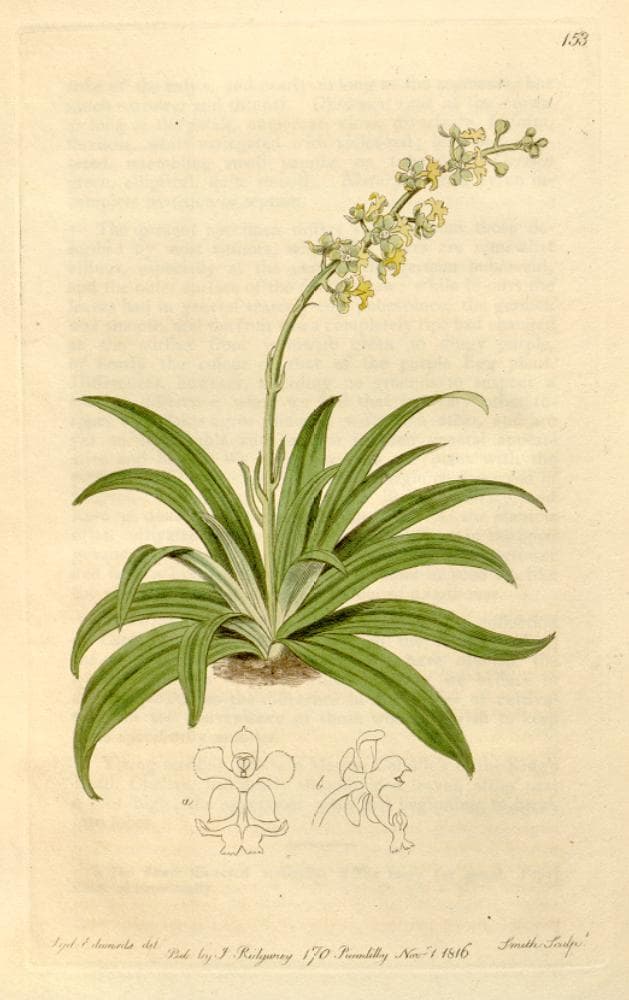
Cryptarrhena
Cryptarrhena is a genus of orchids comprising three known species, all native to the New World Tropics. These orchids are found across Central and South America, including countries like Mexico, Colombia, Peru, Brazil, and the island of Trinidad. They are distinguished by their diverse geographical distribution within these tropical regions.

Barbosella
Barbosella is a genus of creeping orchids comprising about 20 species, primarily found across the West Indies and Latin America, from Mexico down to Argentina. These orchids are distinguished by their solitary flowers, which feature a unique lip base that functions like a ball and socket joint. The genus was named in honor of João Barbosa Rodrigues, a notable investigator of Brazilian orchids.
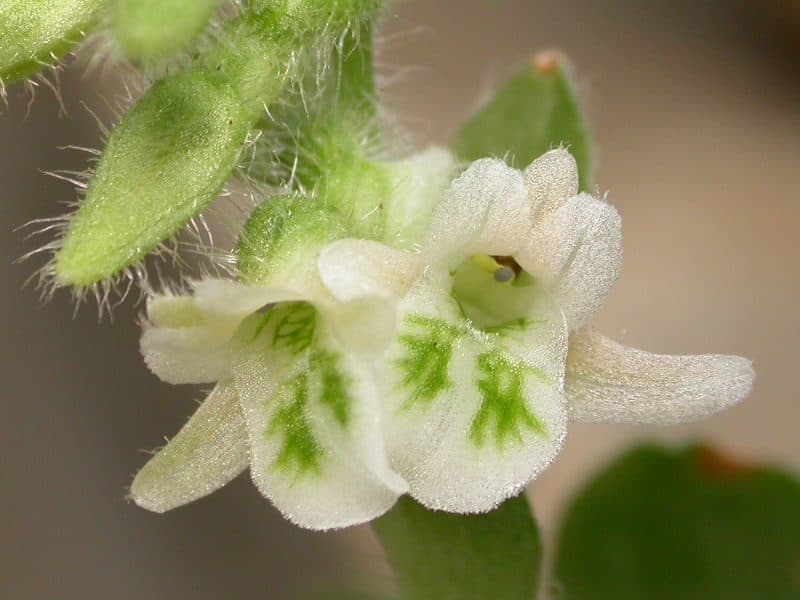
Lankesterella
Lankesterella is a genus of flowering plants belonging to the orchid family, Orchidaceae. Primarily found in South America, several species extend their range northward into the Caribbean and Central America. The genus is distinguished by its diverse geographical distribution and numerous recognized species.