
Cephalanthera
Cephalanthera
Cephalanthera is a genus of terrestrial orchids primarily found in Europe and Asia, characterized by their rhizomes instead of tubers. The genus encompasses approximately 15 recognized species, with Cephalanthera austiniae being the sole species native to North America and notable for its partially myco-heterotrophic nature. Some Eurasian species are known to hybridize.
Key Facts
- ›Cephalanthera orchids possess rhizomes, distinguishing them from many other orchid genera that have tubers.
- ›The genus is predominantly distributed across Europe and Asia, with about 15 species currently recognized.
- ›Cephalanthera austiniae, the phantom orchid or snow orchid, is the only species found naturally in North America.
- ›This North American species, C. austiniae, exhibits partial myco-heterotrophy, meaning it derives some nutrients from fungi.
- ›Several European species share common names incorporating the term 'helleborine'.
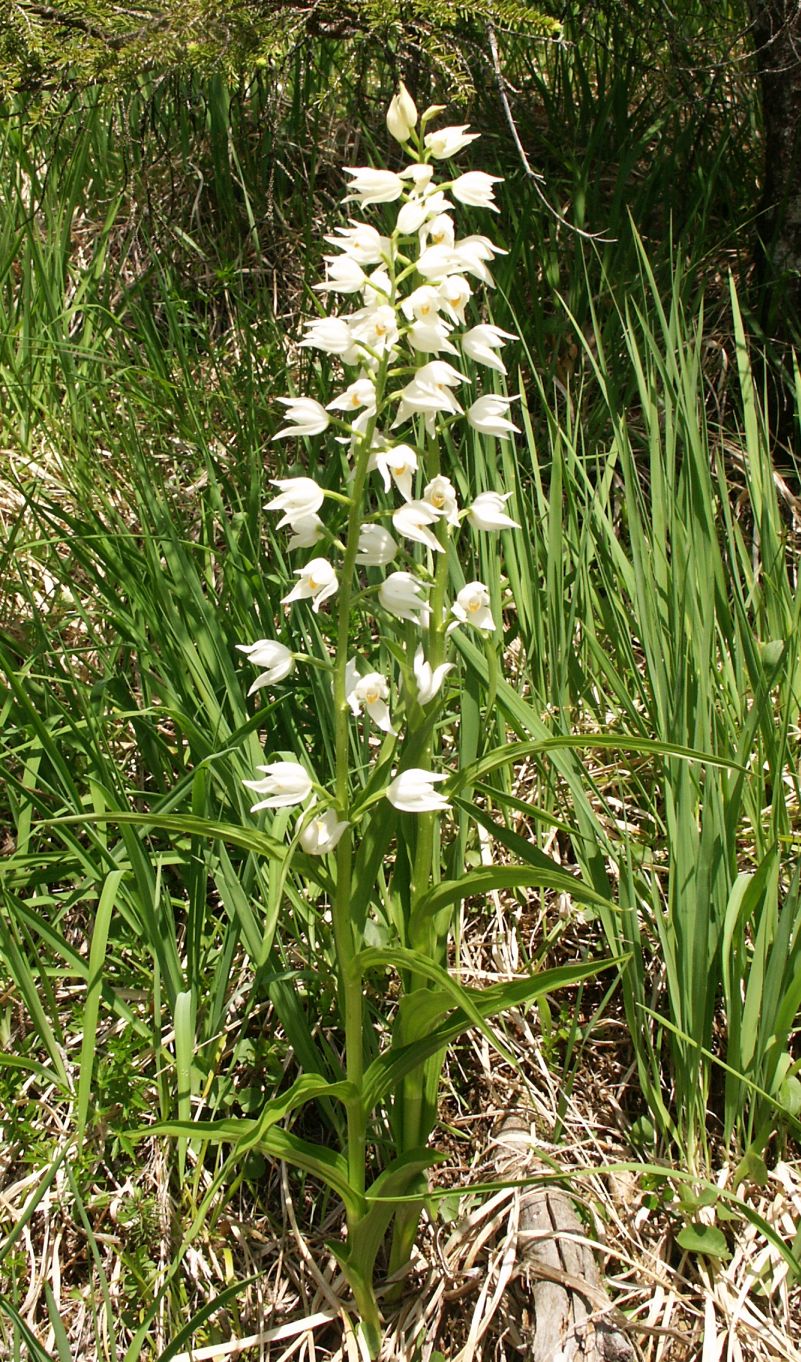
Helleborine
Terrestrial
About Cephalanthera
Cephalanthera, often abbreviated as 'Ceph' in the horticultural trade, is a genus of orchids primarily characterized by their terrestrial growth habit and the presence of rhizomes instead of tubers. This genus is predominantly found across Europe and Asia, with approximately 15 species currently recognized by botanists. Some members of the genus are known to hybridize, particularly among the Eurasian species.
Geographic Distribution and Notable Species
The genus's native range is extensive, covering large parts of Europe and Asia. A significant point of interest is the presence of Cephalanthera austiniae, also known as the phantom orchid or snow orchid. This species holds the distinction of being the only member of the Cephalanthera genus found in the wild in North America, specifically in regions like British Columbia, Washington, Oregon, Idaho, and California. Ecologically, C. austiniae is notable for being partially myco-heterotrophic, a trait that involves deriving nutrients from fungal associations.
Several European species within the Cephalanthera genus share common names that include the term "helleborine." However, it is important to note that this common name is not exclusive to Cephalanthera, as orchids from other genera may also be referred to as helleborines. Older botanical literature may list numerous specific names that are now considered synonyms for well-known species such as C. longifolia or C. damasonium, the European white helleborine.
Source: Wikipedia ↗
Frequently Asked Questions
What distinguishes Cephalanthera orchids from other orchids?
Cephalanthera orchids are primarily terrestrial and possess rhizomes rather than tubers, which is a key differentiating characteristic from many other orchid genera.
Where are Cephalanthera orchids typically found?
The majority of Cephalanthera species are native to Europe and Asia. About 15 species are currently recognized, with their distribution spanning these continents.
Is there a Cephalanthera species found in North America?
Yes, Cephalanthera austiniae is the only species in this genus that occurs naturally in North America. It is also known as the phantom orchid or snow orchid.
What is myco-heterotrophy in the context of Cephalanthera austiniae?
Cephalanthera austiniae is described as partially myco-heterotrophic. This means the plant obtains some of its nutrients by associating with fungi, rather than solely through photosynthesis.
Are there common names associated with European Cephalanthera species?
Several European species within the Cephalanthera genus have common names that include the word 'helleborine'. However, it's worth noting that orchids from other genera can also be referred to by this term.
Related Orchid species

Dactylorhiza
Dactylorhiza, commonly known as marsh orchids or spotted orchids, is a genus of hardy, tuberous geophytes belonging to the Orchidaceae family. These orchids are characterized by their distinctive finger-like tubers, lanceolate leaves often speckled with darker spots, and racemes of 25-50 flowers that bloom in shades of white, pink, and red. They are found across the subarctic and temperate Northern Hemisphere, thriving in basic, moist soils in habitats like wet meadows and bogs.

Cypripedioideae
Cypripedioideae, commonly known as lady's slipper orchids, are a subfamily of perennial herbaceous plants characterized by their distinctive slipper-shaped flower pouches. These orchids are found across various regions of the Americas, Europe, Asia, and Africa, and are notable for their unique pollination mechanism that traps insects within the modified labellum.
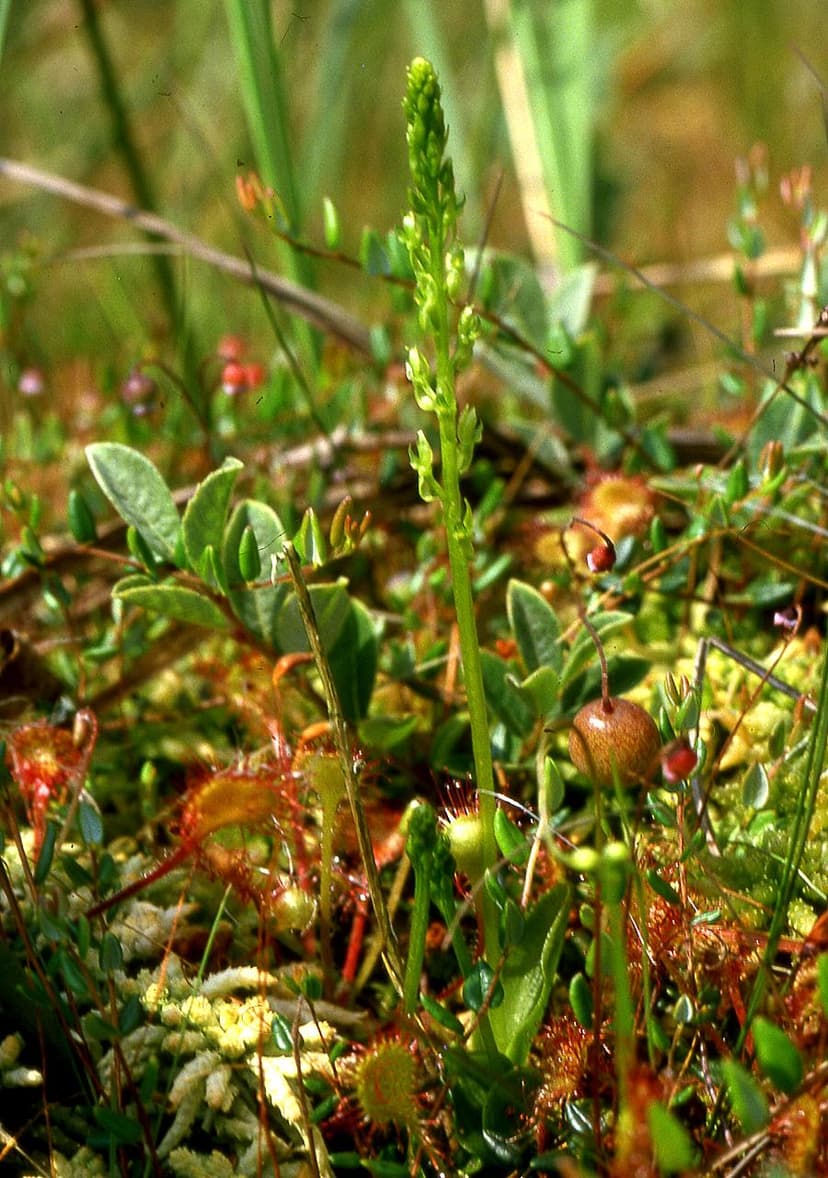
Hammarbya
Hammarbya paludosa, commonly known as the bog orchid, is a unique species in the Orchidaceae family, notable for being the only orchid to produce plantlets on its leaf tips. It is found across the Circumboreal Region, thriving in boggy and swampy environments. Its distinctive floral structure, with an upward-pointing lip, has made it a subject of study in orchid evolution.