
Hammarbya
Hammarbya paludosa, commonly known as the bog orchid, is a unique species in the Orchidaceae family, notable for being the only orchid to produce plantlets on its leaf tips. It is found across the Circumboreal Region, thriving in boggy and swampy environments. Its distinctive floral structure, with an upward-pointing lip, has made it a subject of study in orchid evolution.
Key Facts
- ›It is the only orchid species known to reproduce by producing plantlets on the tips of its leaves.
- ›Hammarbya paludosa is pollinated by fungus gnats and other small flies.
- ›The species requires a fungal associate for seed germination and nutrient uptake.
- ›Its flowers have a unique 360° twist in the pedicel, causing the lip to point upward.
- ›It has a circumboreal distribution across Europe, Asia, and North America, primarily in bogs.
- ›Habitat loss and degradation are significant threats to its populations.
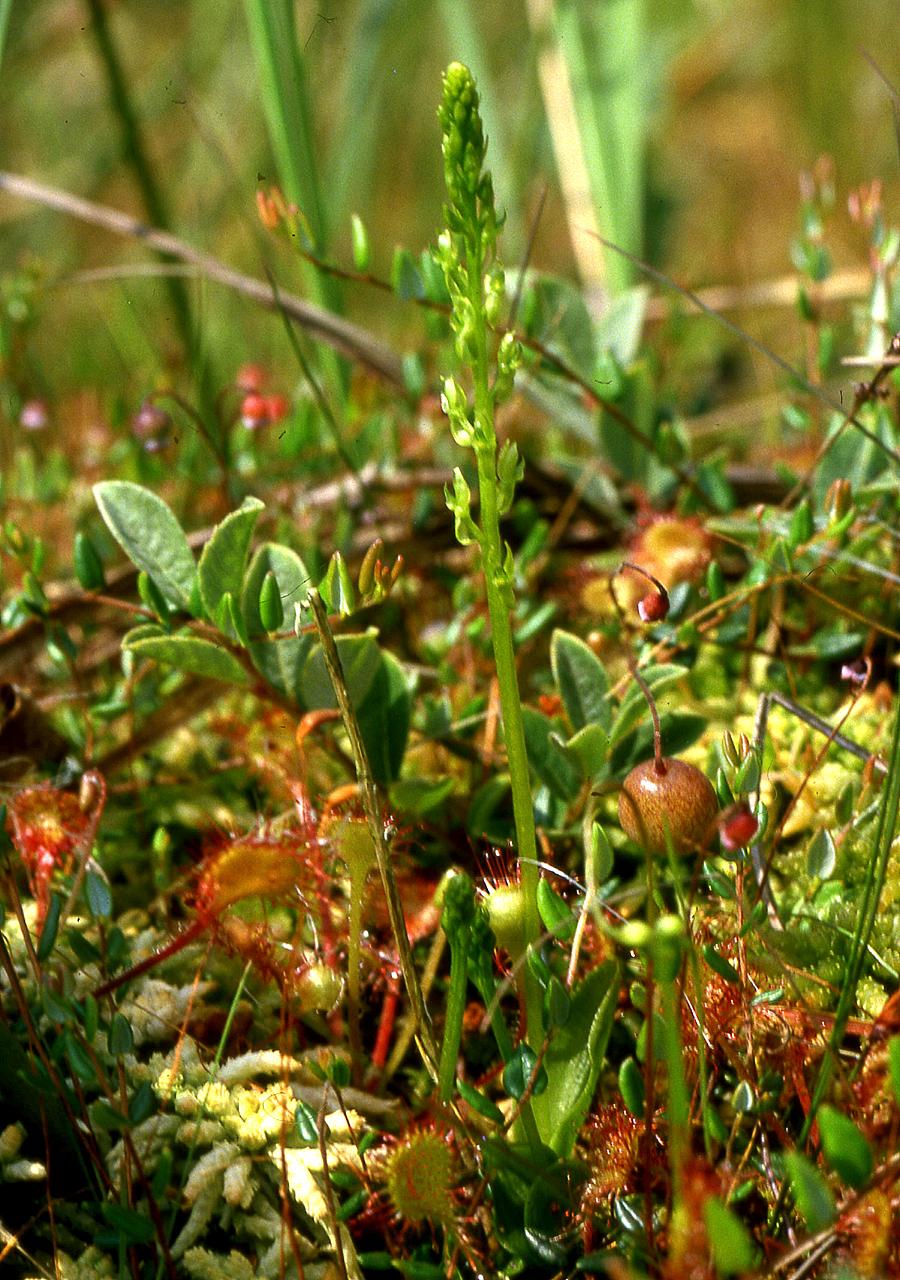
Bog Orchid, Bog Adder's-Mouth, Bog Adder's-Mouth Orchid
Epiphytic, Hemicryptophyte, Geophyte
Late Summer, July, August
Sphagnum Moss, Feather Mosses
Fungus Gnats, Small Flies, Sciara Thomae, Phronia Digitata
About Hammarbya
Hammarbya paludosa
Hammarbya paludosa, commonly known as the bog orchid, is a small, short-lived perennial orchid belonging to the Orchidaceae family. It is distinguished by its unique reproductive characteristic: it is the only orchid species known to produce plantlets, called gemmae, on the tips of its leaves, which then detach to form new individuals. This method of asexual reproduction, alongside sexual reproduction through pollination, contributes to its survival.
Distribution and Habitat
The bog orchid boasts a circumboreal distribution, found across the northern regions of Europe, Asia, and North America. It thrives in damp, acidic environments, primarily inhabiting bogs, conifer swamps, and wet slopes where mossy substrates are kept saturated. While its overall range is extensive, many of its populations are small, geographically isolated, and facing decline due to habitat loss and degradation, particularly from mining and changes in hydrology.
Floral Characteristics and Ecology
Hammarbya paludosa typically flowers every one or two years for about a month at the end of summer. Its small, greenish flowers, approximately 2 mm wide and 4 mm tall, possess a sweet, cucumber-like scent. A notable feature is the 360° twist of the pedicel, which results in the lip pointing upward, a characteristic that intrigued Charles Darwin and influenced his studies on orchid evolution. The flowers are pollinated by small flies, including fungus gnats, and the species relies on a symbiotic relationship with soil fungi for seed germination and nutrient acquisition throughout its life cycle.
Taxonomy and Significance
First described by Carl Linnaeus, the species has been placed in various genera throughout taxonomic history, with Otto Kuntze establishing the genus Hammarbya in its honor. The genus name refers to Linnaeus's summer residence, Hammarby. The unusual floral morphology of Hammarbya paludosa, especially the orientation of its lip, was central to a debate between Charles Darwin and Asa Gray regarding the mechanisms of evolutionary variation. Despite its global classification as 'Least Concern' by the IUCN, the bog orchid is considered threatened or endangered in many parts of its range, necessitating ongoing conservation efforts.
Source: Wikipedia ↗
Frequently Asked Questions
What are the common names for Hammarbya paludosa?
Hammarbya paludosa is commonly known as the bog orchid, bog adder's-mouth, or bog adder's-mouth orchid. These names reflect its preferred boggy habitat and the appearance of its flowers.
Where is Hammarbya paludosa found?
This orchid species has a wide circumboreal distribution, meaning it is found across the northern parts of Europe, Asia, and North America. It primarily grows in bogs and conifer swamps.
What makes Hammarbya paludosa unique among orchids?
Hammarbya paludosa is distinguished by its ability to produce small plantlets, called gemmae, on the tips of its leaves, which can then develop into new plants. It is the only known orchid species to reproduce this way.
How does Hammarbya paludosa reproduce?
It reproduces both sexually through pollination by small flies and asexually by producing gemmae on its leaf margins. The relative importance of these two reproductive strategies is not fully understood.
What is the conservation status of Hammarbya paludosa?
While classified as 'Least Concern' by the IUCN globally, many populations of Hammarbya paludosa are considered threatened or endangered throughout much of its range due to habitat loss and degradation.
What is the significance of Hammarbya paludosa in evolutionary biology?
Charles Darwin studied Hammarbya paludosa's unusual floral structure, noting its upward-pointing lip. He used it as an example to support his theories on evolution by variation and natural selection, particularly in contrast to other orchids with downward-pointing lips.
Related Orchid species

Cypripedioideae
Cypripedioideae, commonly known as lady's slipper orchids, are a subfamily of perennial herbaceous plants characterized by their distinctive slipper-shaped flower pouches. These orchids are found across various regions of the Americas, Europe, Asia, and Africa, and are notable for their unique pollination mechanism that traps insects within the modified labellum.
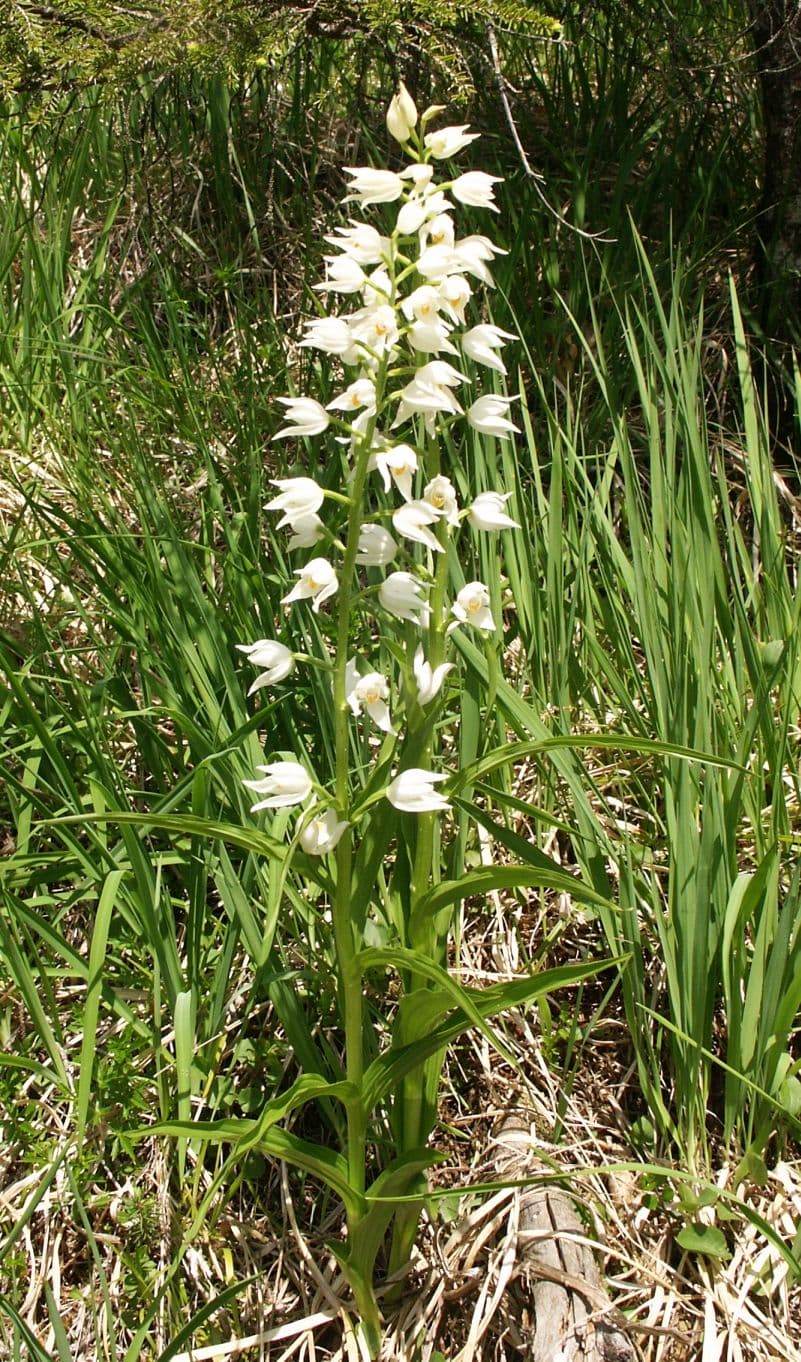
Cephalanthera
Cephalanthera is a genus of terrestrial orchids primarily found in Europe and Asia, characterized by their rhizomes instead of tubers. The genus encompasses approximately 15 recognized species, with Cephalanthera austiniae being the sole species native to North America and notable for its partially myco-heterotrophic nature. Some Eurasian species are known to hybridize.

Dracula
Dracula is an 1897 Gothic horror novel by Irish author Bram Stoker, narrated through various documents like letters and diary entries. The story follows Jonathan Harker's journey to the castle of Count Dracula in Transylvania, who then moves to England and becomes the subject of a hunt by Abraham Van Helsing and his companions. The novel is celebrated for its terrifying atmosphere and has profoundly influenced the popular conception of vampires, becoming the most portrayed literary character.