
Corallorhiza
Corallorhiza
Corallorhiza, commonly known as coralroot, is a genus of orchids found primarily in North America, with one circumboreal species. These plants are largely myco-heterotrophic, meaning they rely entirely on fungi for nutrients, leading to leafless, rootless, and often chlorophyll-lacking structures. Their unique parasitic lifestyle makes them exceptionally difficult to cultivate.
Key Facts
- ›Corallorhiza orchids are characterized by their coral-shaped rhizomes.
- ›Most species are myco-heterotrophic, depending on fungi for all sustenance.
- ›Many species lack leaves and chlorophyll, and do not photosynthesize.
- ›Corallorhiza trifida is an exception, possessing some chlorophyll and limited photosynthetic ability.
- ›The genus is primarily distributed across North America, with C. trifida extending circumboreally.
- ›Due to their unique nutritional requirements, coralroots have not been successfully cultivated.
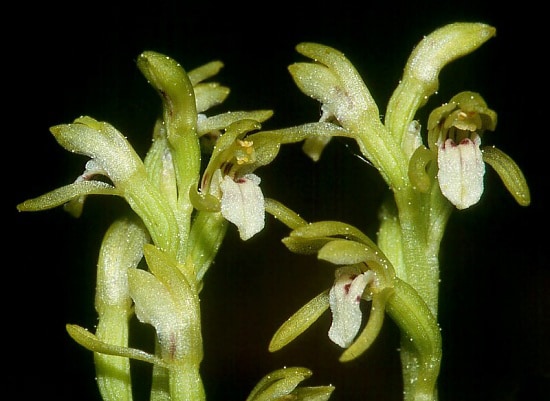
Coralroot
North America, Mexico, Central America, West Indies, Circumboreal
Myco-Heterotrophic
About Corallorhiza
Corallorhiza: The Coralroots
Corallorhiza, commonly known as coralroot, is a fascinating genus of orchids recognized for its unique life cycle and distinctive appearance. Belonging to the Orchidaceae family, this genus is primarily found across North America, with the exception of Corallorhiza trifida, which has a circumboreal distribution.
Myco-heterotrophic Lifestyle
What sets Corallorhiza apart from most other orchids is its obligate myco-heterotrophic nature. This means that these plants do not photosynthesize in the typical way. Instead, they rely entirely on a symbiotic relationship with mycorrhizal fungi embedded within their coral-shaped rhizomes for all their nutritional needs. This dependence on fungi means that most species are leafless and rootless, and produce little to no chlorophyll.
An notable exception is Corallorhiza trifida, which possesses some chlorophyll and is capable of fixing carbon dioxide. However, even this species primarily acquires carbon through its fungal associations. Due to this specialized and intricate dependence on fungal partners, coralroot orchids have proven exceptionally difficult, if not impossible, to cultivate successfully.
Distribution and Species
The genus is largely restricted to North America, encompassing Mexico, Central America, and the West Indies. While many species names have been proposed over time, as of January 2023, a number of species are accepted as members of the Corallorhiza genus, with others being considered synonyms or belonging to different genera.
Source: Wikipedia ↗
Frequently Asked Questions
What is Corallorhiza?
Corallorhiza, or coralroot, is a genus of flowering plants belonging to the orchid family. They are distinguished by their coral-shaped underground stems (rhizomes) and their unique parasitic or myco-heterotrophic nature.
Where are Corallorhiza orchids found?
The genus Corallorhiza is predominantly found in North America, including Mexico, Central America, and the West Indies. The species Corallorhiza trifida is an exception, with a circumboreal distribution.
What makes Corallorhiza orchids distinctive?
Their most distinctive feature is their reliance on mycorrhizal fungi for nutrients, a condition known as myco-heterotrophy. This often results in plants that are leafless, rootless, and lack chlorophyll, unlike most other orchids.
Can Corallorhiza orchids be cultivated?
No, Corallorhiza orchids have not been successfully cultivated. Their complete dependence on specific fungal associations in their natural environment makes it virtually impossible to replicate their nutritional needs in cultivation.
Do all Corallorhiza species lack chlorophyll?
Most species of Corallorhiza produce little or no chlorophyll and do not utilize photosynthesis. However, Corallorhiza trifida is an exception; it is yellowish-green, possesses some chlorophyll, and can perform a limited amount of CO2 fixation.
Related Orchid species

Cypripedioideae
Cypripedioideae, commonly known as lady's slipper orchids, are a subfamily of perennial herbaceous plants characterized by their distinctive slipper-shaped flower pouches. These orchids are found across various regions of the Americas, Europe, Asia, and Africa, and are notable for their unique pollination mechanism that traps insects within the modified labellum.
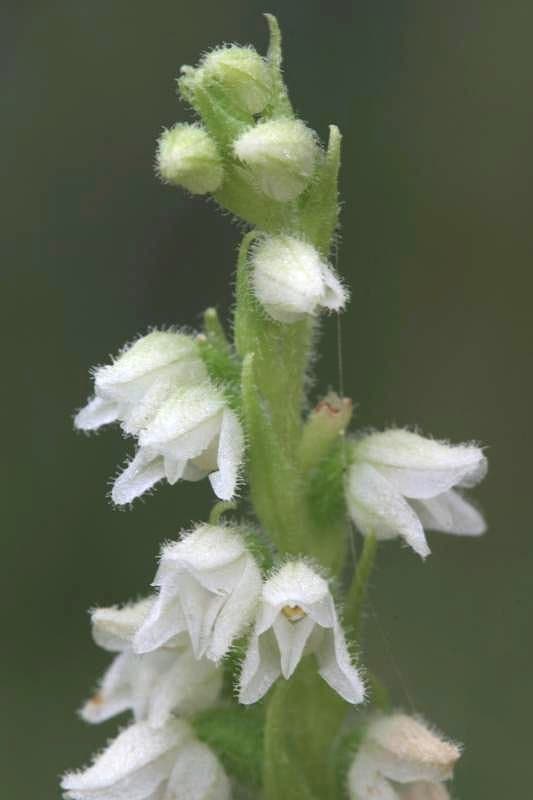
Goodyera
Goodyera, commonly known as rattlesnake plantain or jade orchids, is a widespread genus of orchids found across Europe, North and Central America, Australia, and various islands. These terrestrial orchids are distinguished by their rosette of leaves at the base, often marked with white or pale green, and typically bear numerous small, white, resupinate flowers. They are differentiated from similar genera like Spiranthes by their creeping rhizome, leaf shape and coloration, and the presence of a small pouch on the labellum.
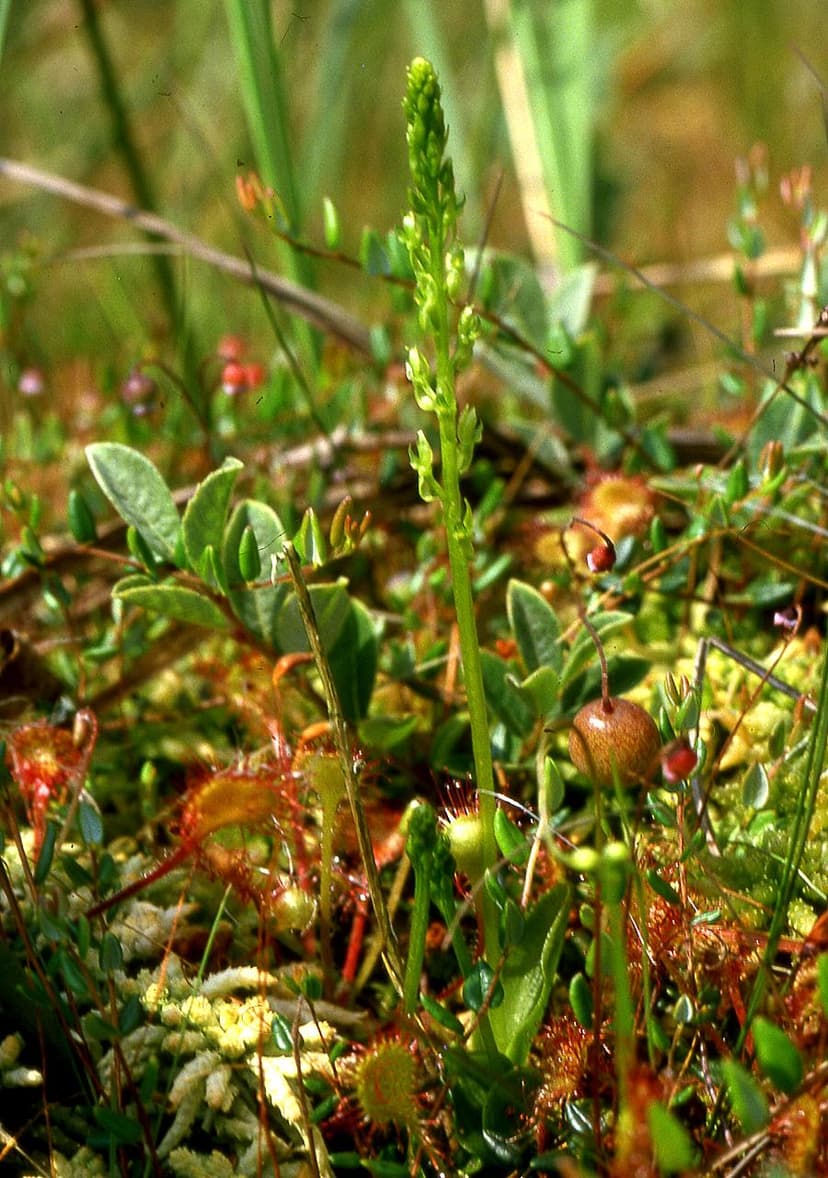
Hammarbya
Hammarbya paludosa, commonly known as the bog orchid, is a unique species in the Orchidaceae family, notable for being the only orchid to produce plantlets on its leaf tips. It is found across the Circumboreal Region, thriving in boggy and swampy environments. Its distinctive floral structure, with an upward-pointing lip, has made it a subject of study in orchid evolution.