
Laelia
Laelia
Laelia is a genus of 25 orchid species found in subtropical to temperate climates across Central and South America, with a significant presence in Mexico. These orchids are typically epiphytic herbs, though some are lithophytes, characterized by leathery leaves and terminal racemes of flowers. They are known for their ability to use crassulacean acid metabolism (CAM) photosynthesis, a water-conserving adaptation.
Key Facts
- ›Laelia orchids are native to Central and South America, primarily Mexico.
- ›They are mostly epiphytic, growing on trees, with some lithophytic species that grow on rocks.
- ›These orchids utilize Crassulacean Acid Metabolism (CAM) photosynthesis to reduce water loss.
- ›Flowers typically have 8 pollinia, with petals being thinner than sepals.
- ›Cultivation often involves mounting them on tree trunks or cork slabs with good drainage.
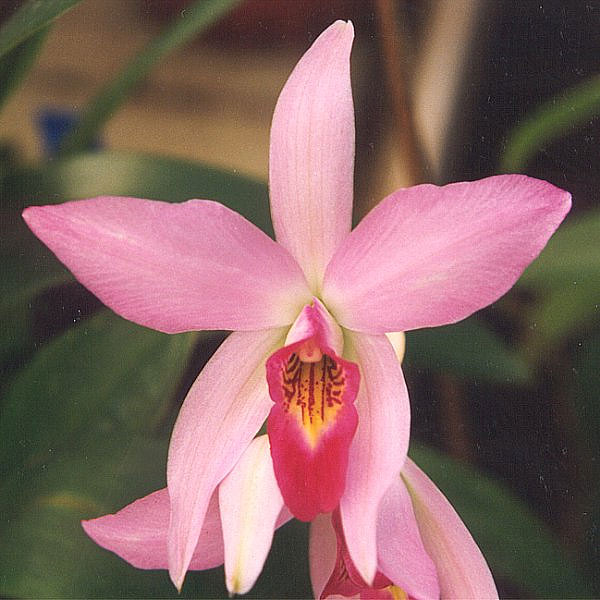
Epiphyte, Lithophyte
Pine Bark, Charcoal, Pebbles
About Laelia
Laelia is a genus of orchids comprising approximately 25 species, recognized for their presence in subtropical to temperate climates across Central and South America, with a notable concentration in Mexico. These orchids are primarily epiphytic, meaning they grow on trees, though some species have adapted to a lithophytic existence on rocks. The genus is abbreviated as 'L.' in horticultural contexts.
Description and Ecology
Laelia species are characterized by their pseudobulbs, which are laterally compressed, and bear one to four leathery or fleshy leaves. The inflorescence typically emerges as a terminal raceme, occasionally developing into a panicle. Each flower possesses eight pollinia, with petals that are of a finer texture than the sepals. The sepals and petals share similar shapes, though the sepals are generally narrower. The lip, or labellum, is distinct from the arched flower column.
Ecologically, Laelia orchids are found in diverse forest environments, from sea level to elevations exceeding 2000 meters. Species originating from higher altitudes, such as L. albida and L. autumnalis, are adapted to temperate climates and can be cultivated outdoors in regions like the Mexican Plateau and California, provided there are cool summers. A notable adaptation of Laelia is its use of crassulacean acid metabolism (CAM) photosynthesis. This physiological process allows the plants to minimize water loss by collecting carbon dioxide during the cooler, more humid nighttime hours, storing it for use in photosynthesis during daylight.
Cultivation
For successful cultivation, Laelia orchids are often mounted on tree trunks or pieces of cork, requiring a location that offers bright, indirect light without casting deep shadows. The growing medium must be well-draining to prevent waterlogging, with common choices including pine bark, charcoal, or pebbles. Mounted plants typically require a humidity level of 50–70%. Cooler temperatures are beneficial for promoting blooming. Watering may be necessary two to three times per week during the growing season, with a reduction in frequency during winter. Dilute fertilization, applied twice monthly, is recommended, particularly during the active growth period from May to November in the Northern Hemisphere.
Taxonomy and Hybrids
The genus Laelia was formally described by John Lindley and placed within the subfamily Epidendroideae. Over time, taxonomic classifications have evolved; Brazilian species previously categorized under Sophronitis have been integrated into the genus Cattleya. Similarly, species once classified under Schomburgkia have been relocated to either Laelia or Myrmecophila. Laelia also features prominently in hybrid orchid breeding, forming nothogenera such as × Laeliocattleya (with Cattleya), × Laeliocatonia (with Broughtonia and Cattleya), and × Sophrolaelia (with Sophronitis).
Source: Wikipedia ↗
Frequently Asked Questions
Where are Laelia orchids found in the wild?
Species of Laelia are distributed from western Mexico south to Bolivia. They inhabit a range of environments from sea level up to mountain forests, typically found above 2000 meters in elevation.
What are the growing habits of Laelia orchids?
Laelia orchids are predominantly epiphytic, meaning they grow on other plants, usually trees. A smaller number of species are lithophytic, growing on rocks. They are found in forests ranging from sea level to high mountain habitats.
How do Laelia orchids conserve water?
Laelia is among the orchid genera that employ crassulacean acid metabolism (CAM) photosynthesis. This adaptation allows them to collect carbon dioxide at night and reduce water loss through evapotranspiration during the day.
What are the cultivation requirements for Laelia orchids?
When cultivated, Laelias can be mounted on tree trunks or cork slabs, provided they receive adequate light without deep shade. The growing medium needs excellent drainage, and materials like pine bark, charcoal, or pebbles are suitable. They thrive with good humidity levels and are often watered multiple times a week, with reduced frequency in winter.
What is the taxonomic classification of Laelia orchids?
The genus Laelia was described by John Lindley within the subfamily Epidendroideae. Some species formerly classified under Sophronitis or Schomburgkia have since been reclassified into Laelia or other genera like Cattleya and Myrmecophila.
Related Orchid species

Brassavola
Brassavola is a genus of 21 orchid species, named in honor of Antonio Musa Brassavola, an Italian nobleman and physician. These orchids are widespread across Mexico, Central America, the West Indies, and South America, distinguished by their succulent leaves and fragrant, nocturnal blooms. They are primarily epiphytic, with a few also growing as lithophytes.
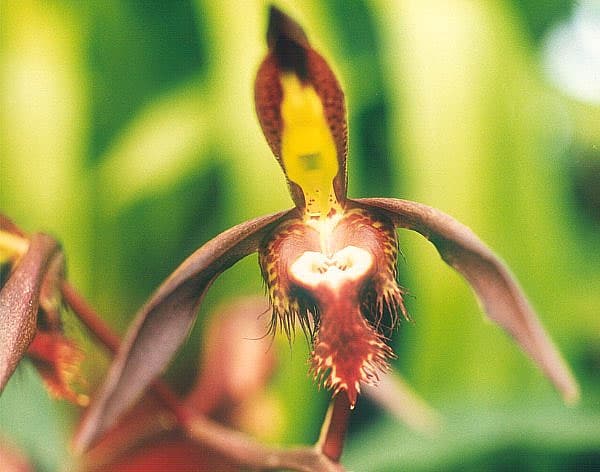
Catasetum
Catasetum is a genus of showy epiphytic orchids belonging to the family Orchidaceae. Native to regions spanning from Mexico to Argentina, many species are highly valued in horticulture for their striking flowers. A distinctive characteristic of Catasetum is its unisexual flowers, with male and female blooms often appearing on separate plants, a phenomenon that historically puzzled botanists until explained by Charles Darwin.
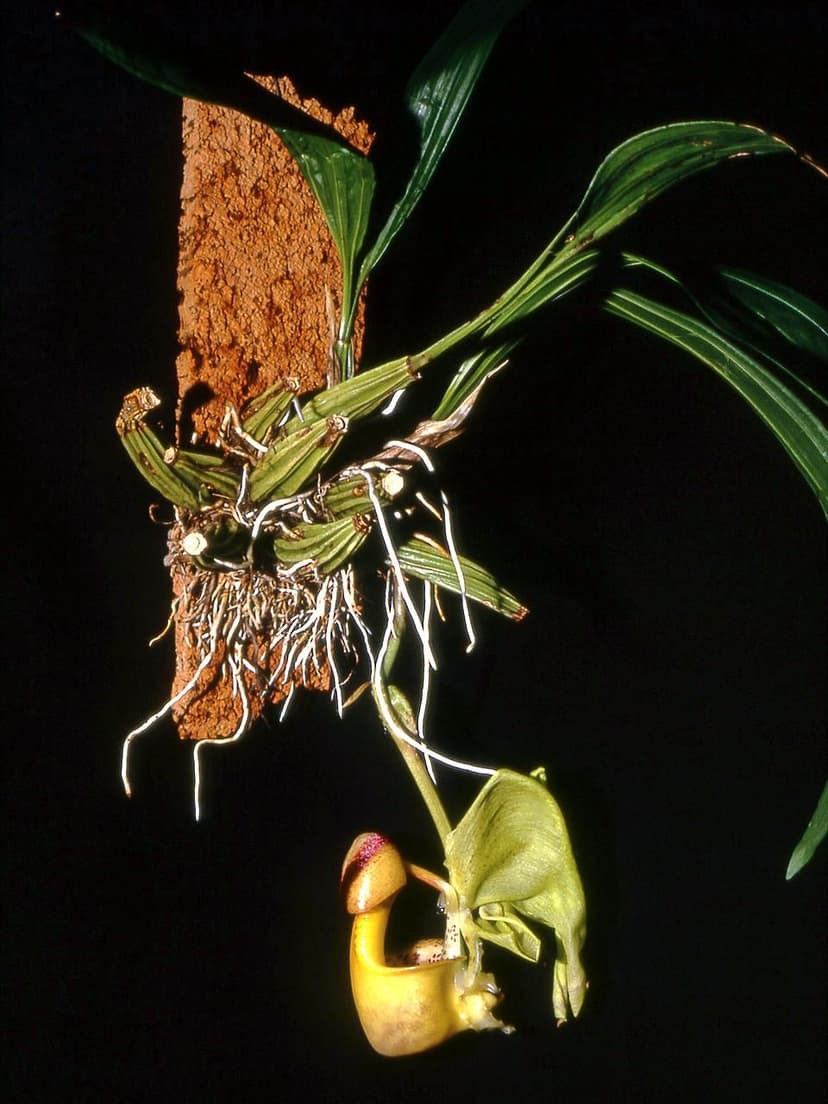
Coryanthes
Coryanthes, commonly known as bucket orchids, is a genus of neotropical epiphytic orchids native to South America, Central America, Mexico, and Trinidad. These orchids are renowned for their intricate coevolutionary relationship with male orchid bees, which are essential for their reproduction through a unique pollination mechanism involving a fluid-filled bucket-shaped lip.