
African grass owl
Strigiformes·Least Concern (globally), Vulnerable (South Africa)
The African grass owl (Tyto capensis) is a medium-sized owl found in sub-Saharan Africa, known for its uniform sooty blackish-brown upperparts and heart-shaped facial disc. It primarily inhabits moist grasslands and savannas, where it hunts rodents and other small mammals at night.
Key Facts
- ›Resembles the barn owl with a heart-shaped facial disc and sooty blackish-brown upperparts.
- ›Found in moist grasslands and open savannas across sub-Saharan Africa.
- ›Primarily nocturnal, hunting rodents and small mammals.
- ›Breeds from December to August, with nests located in grass tunnels.
- ›Females are significantly larger than males.
- ›Considered Least Concern by the IUCN, but vulnerable in South Africa due to habitat degradation.
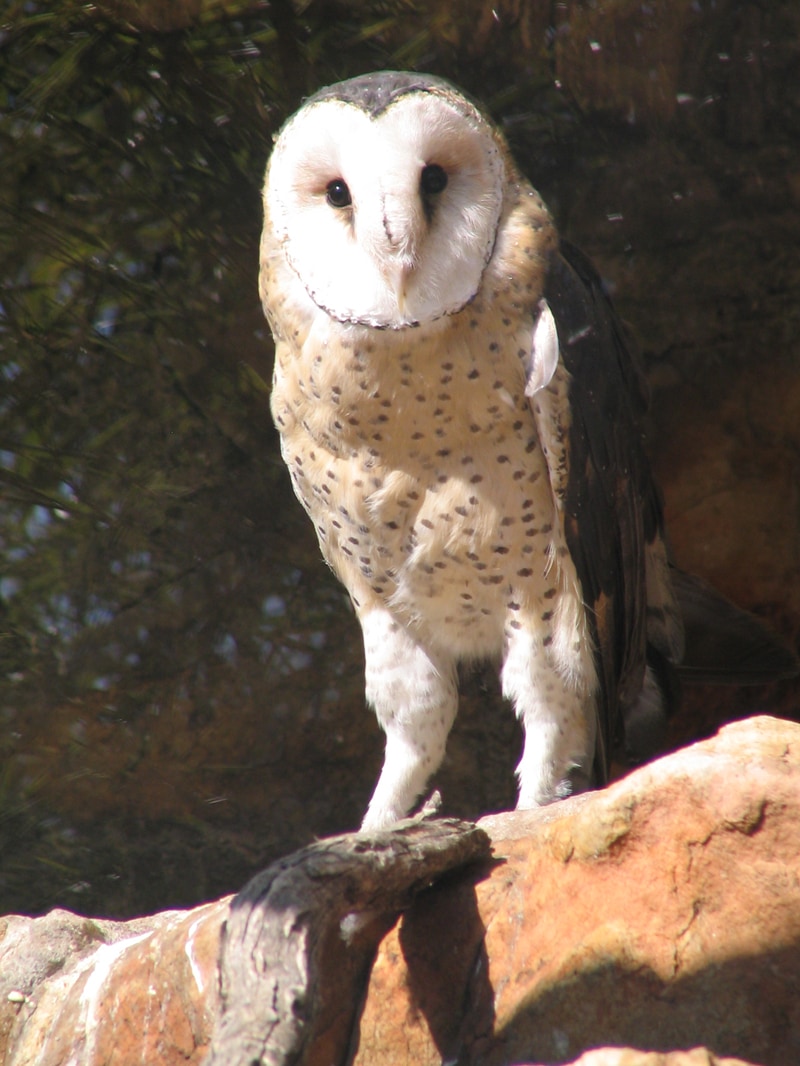
Grass Owl
Moist Grassland, Open Savanna, Marshes, Vleis With Tall Grass, Fynbos, Renosterveld, Acacia Scrub Close To Water
Sub-Saharan Africa, Central Southern Africa, South Africa, Ethiopian Highlands, Kenya, Uganda, Cameroon
Rodents, Small Mammals, Frogs, African Snipe, Termites
African Marsh Harrier
About African grass owl
The African grass owl, scientifically known as Tyto capensis, is a distinctive owl species found across sub-Saharan Africa. It shares similarities with the barn owl but is distinguished by its uniform sooty blackish-brown upperparts and a heart-shaped facial disc. This owl is a habitat specialist, primarily residing in moist grasslands and open savannas, often preferring areas with tall, dense grass.
Biology and Behavior
This species is predominantly nocturnal, typically roosting on the ground in concealed locations within tall grass during the day. They become active after sunset to hunt for prey, which mainly consists of rodents and other small mammals. The African grass owl hunts by flying erratically close to the ground, listening for prey, or by waiting on a perch. Studies have shown they hunt later in the morning and earlier in the evening compared to barn owls.
Reproduction and Life Cycle
The breeding season for the African grass owl occurs from December to August, with a peak between February and April. Nests are simple, shallow hollows lined with grass, constructed at the end of tunnels created by trampling grass. Females lay two to four white eggs at two-day intervals, and incubation is solely by the female. The male brings food, which is shared by both parents to feed the chicks. Owlets leave the nest around seven weeks of age and remain with their parents for approximately three more weeks before becoming independent.
Distribution and Conservation
The African grass owl's range is divided into two main blocks in sub-Saharan Africa, with isolated populations in other regions. While globally assessed as Least Concern, it faces challenges in South Africa where it is considered vulnerable due to habitat degradation caused by human activities like agriculture and grazing. Its role as a bioindicator species makes it valuable for monitoring environmental contaminants. Conservation efforts, including captive breeding and release programs, have been explored as potential strategies to protect its populations.
Source: Wikipedia ↗
Frequently Asked Questions
What does the African grass owl look like?
The African grass owl has a heart-shaped facial disc that is whitish-cream with a narrow yellowish-buff rim. Its upperparts are a uniform sooty blackish-brown, with scattered small white spots and greyish flecks. The underparts vary from whitish to buff with dark spots.
Where does the African grass owl live?
This owl is distributed in sub-Saharan Africa, with main ranges in central southern Africa and a region centered on South Africa. Isolated populations exist in the Ethiopian Highlands, Kenya, Uganda, and Cameroon.
What is the habitat of the African grass owl?
The African grass owl prefers moist grasslands and open savannas, often found up to 3,200 meters in elevation. It also inhabits marshes, vleis with tall grass, fynbos, renosterveld, and acacia scrub near water.
What does the African grass owl eat?
Its diet consists mainly of rodents and other small mammals, typically weighing less than 100 grams. It may also prey on frogs, African snipes, and termites.
When does the African grass owl breed?
The breeding season for the African grass owl spans from December to August, with the main period occurring between February and April. Nests are shallow hollows lined with grass, located at the end of grass tunnels.
What are the conservation concerns for the African grass owl?
While globally listed as Least Concern, the African grass owl is considered vulnerable in South Africa due to habitat degradation from agriculture and grazing. Captive breeding programs have been explored as a conservation strategy.
Related Owl species

African scops owl
The African scops owl (Otus senegalensis) is a small owl native to sub-Saharan Africa, characterized by its cryptic greyish-brown plumage and bright yellow eyes. It is a strictly nocturnal hunter, often overlooked during the day due to its remarkable camouflage. Its distinctive call is a monotonous "prrrp" sound.

African wood owl
The African wood owl (Strix woodfordii), also known as Woodford's owl, is a common forest owl species native to sub-Saharan Africa. It is distinguished by its rounded head, large dark eyes with white eyebrows, and a distinctive hooting call that can be heard over long distances. This owl is strictly nocturnal and primarily inhabits indigenous forests and woodlands.
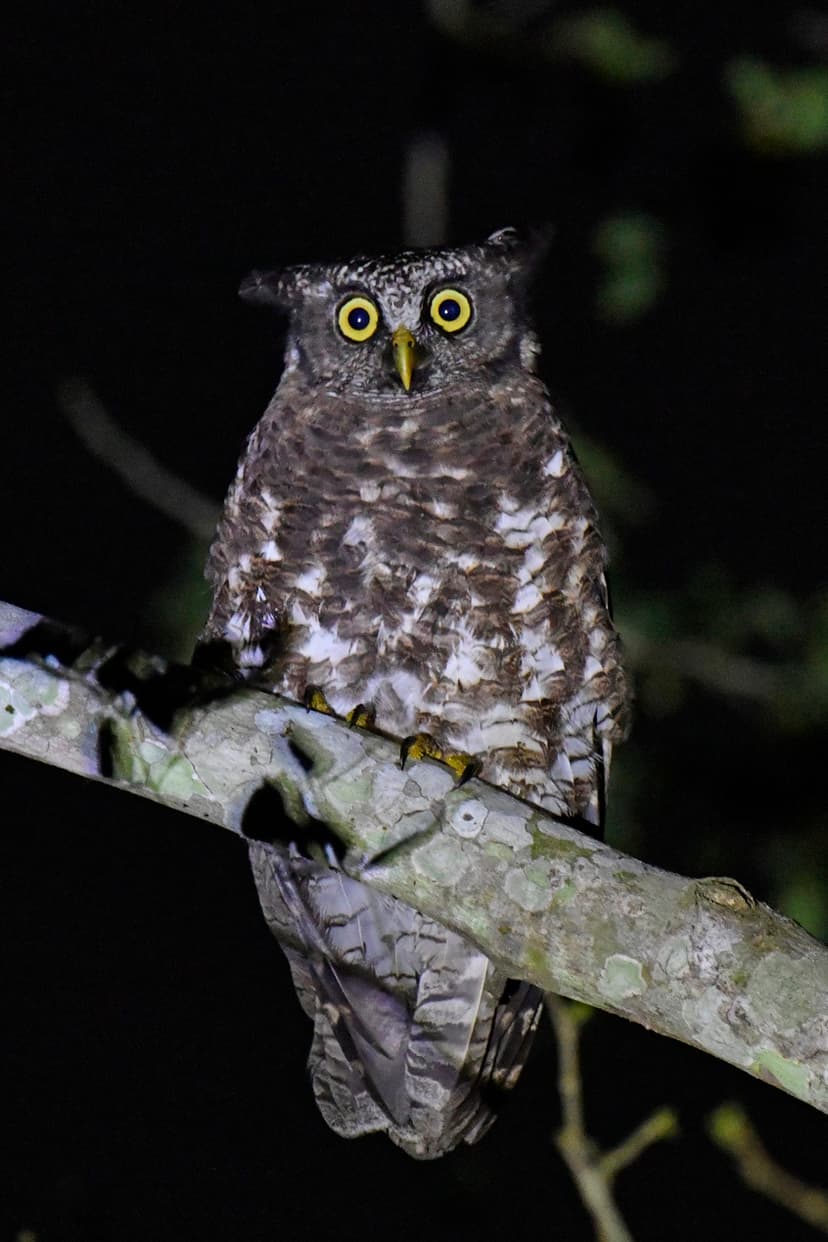
Akun eagle-owl
The Akun eagle-owl is a species of owl native to the African tropical rainforest, specifically found in countries bordering the Gulf of Guinea. It is distinguished by its relatively small size for an eagle-owl, predominantly dark to reddish-brown plumage with white markings, and a diet that primarily consists of insects.