
Ashy-faced owl
The ashy-faced owl (Tyto glaucops) is a species of barn owl native to Hispaniola and several islands in the Lesser Antilles. It is distinguished by its silvery-gray facial disc (in the nominate subspecies), a preference for a mix of open hunting spaces and canopy cover, and a varied diet of small vertebrates and invertebrates. This species plays a crucial role as a nocturnal predator in its island ecosystems.
Key Facts
- ›Found on Hispaniola and various Lesser Antillean islands.
- ›Has a distinctive silvery-gray facial disc, though subspecies vary.
- ›Inhabits a range of environments from forests to human-altered landscapes.
- ›Primarily a nocturnal hunter, preying on small mammals, birds, reptiles, amphibians, and invertebrates.
- ›Nests opportunistically in cavities, both natural and man-made.
- ›Considered Least Concern by the IUCN, though some subspecies' status is less known.
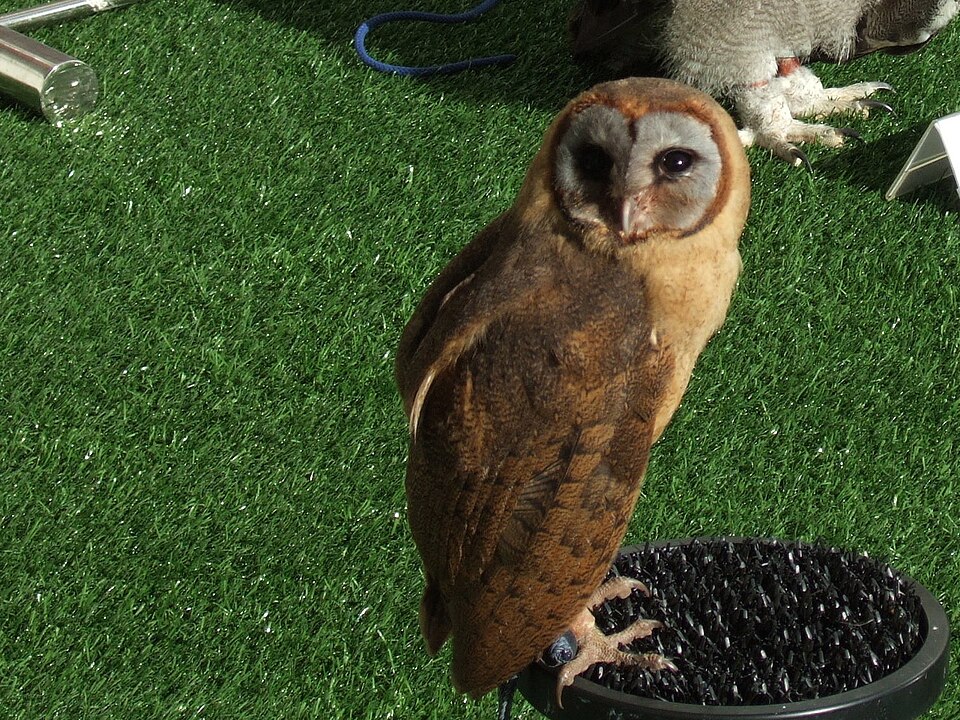
Ashy-Faced Owl
Open Woodlands, Denser Broadleaf Forest, Scrublands, Farmlands, Oil-Palm Plantations, Solitary Buildings, Villages, Towns, Lowland Areas, Foothills
Hispaniola, Lesser Antilles
Small Mammals, Birds, Reptiles, Amphibians, Invertebrates, Bats
About Ashy-faced owl
The ashy-faced owl (Tyto glaucops) is a species of barn owl found in the Caribbean, primarily on the island of Hispaniola and across various islands of the Lesser Antilles. This owl is recognized for its distinctive facial disc, which is silvery-gray in the nominate subspecies, though other subspecies exhibit variations. It occupies a broad range of habitats, adapting to both natural environments like open woodlands and forests, as well as human-altered landscapes such as farmlands, villages, and even human dwellings.
Ecology and Diet
As a nocturnal apex predator, the ashy-faced owl plays a vital role in maintaining ecological balance by controlling populations of small vertebrates. Its diet is diverse, encompassing small mammals, birds, reptiles, amphibians, and invertebrates. Competition for food resources has been noted with the American barn owl (Tyto furcata) on Hispaniola, particularly concerning small mammals and birds.
Behavior and Reproduction
The ashy-faced owl is a solitary and territorial species, typically remaining a year-round resident within its range. Breeding seasons vary by subspecies, with the nominate subspecies on Hispaniola breeding mainly between January and June. They exhibit opportunistic nesting behaviors, utilizing natural cavities and a variety of man-made structures, often choosing secluded spots to enhance the survival of their young.
Conservation
The International Union for Conservation of Nature (IUCN) classifies the ashy-faced owl as Least Concern, acknowledging its widespread presence and presumed stable population. However, the conservation status of certain subspecies in the Lesser Antilles is less well-documented and may face localized threats from habitat destruction and pesticide use.
Source: Wikipedia ↗
Frequently Asked Questions
What is the scientific name of the ashy-faced owl?
The scientific name of the ashy-faced owl is Tyto glaucops. It was formally described by Johann Jakob Kaup in 1852, initially with the binomial name Strix glaucops.
Where is the ashy-faced owl found?
The ashy-faced owl is found on the Caribbean island of Hispaniola (Haiti and the Dominican Republic), Dominica, and several other islands in the southern Lesser Antilles, including Saint Vincent and Grenada.
What does the ashy-faced owl eat?
The ashy-faced owl's diet primarily consists of small vertebrates such as mammals, birds, reptiles, and amphibians. It also consumes invertebrates.
What are the nesting habits of the ashy-faced owl?
Ashy-faced owls nest in cavities, utilizing natural holes in trees, sinkholes, banks, and cliffs, as well as man-made structures like barns, church steeples, abandoned buildings, and nest boxes. They show an opportunistic nesting style, sometimes using existing nests of other bird species.
What is the conservation status of the ashy-faced owl?
The International Union for Conservation of Nature (IUCN) has assessed the ashy-faced owl as Least Concern. While its population size is not precisely known, it is believed to be stable, with no immediate threats identified for the species overall.
Related Owl species
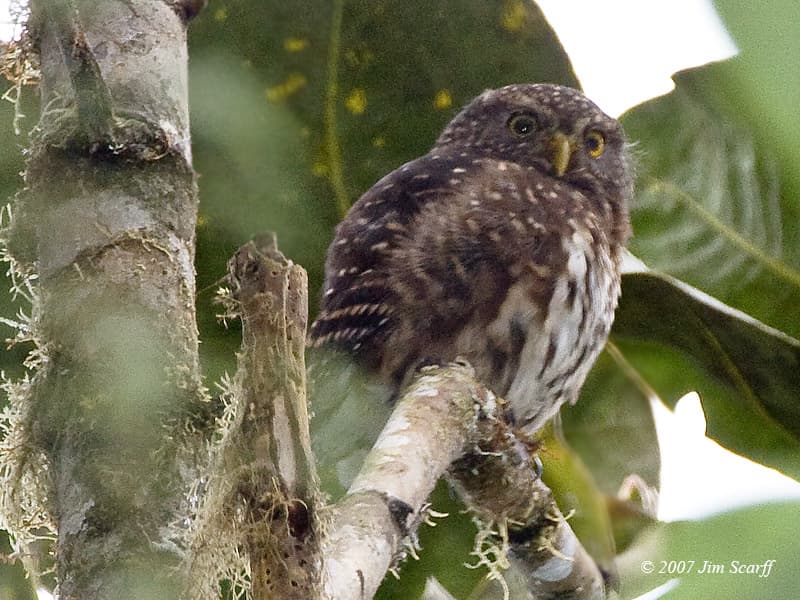
Andean pygmy owl
The Andean pygmy owl is a small owl species native to the Andes mountains of South America, found in countries like Colombia, Ecuador, Peru, and Venezuela. It is distinguished by its two color morphs, white facial markings including prominent "brows" and "moustaches," and a distinctive face-like pattern on its nape. This owl is an opportunistic predator, active both day and night, feeding on a variety of small invertebrates, birds, and mammals.

Austral pygmy owl
The austral pygmy owl is a small owl species found in central and southern Chile and parts of southern Argentina. It is distinctive for its gray-brown and red color morphs and its ability to hunt both during the day and at night. This owl is known for its varied vocalizations, including contact whistles, territorial trills, and courtship calls.

Australian boobook
The Australian boobook (Ninox boobook) is the smallest owl species native to mainland Australia, also found in southern New Guinea, Timor, and the Sunda Islands. It is distinguished by its characteristic "boo-book" call and its predominantly dark-brown plumage marked with pale spots. This nocturnal hunter primarily preys on insects and small vertebrates, nesting in tree hollows and is considered of least concern by the IUCN.