
Christmas boobook
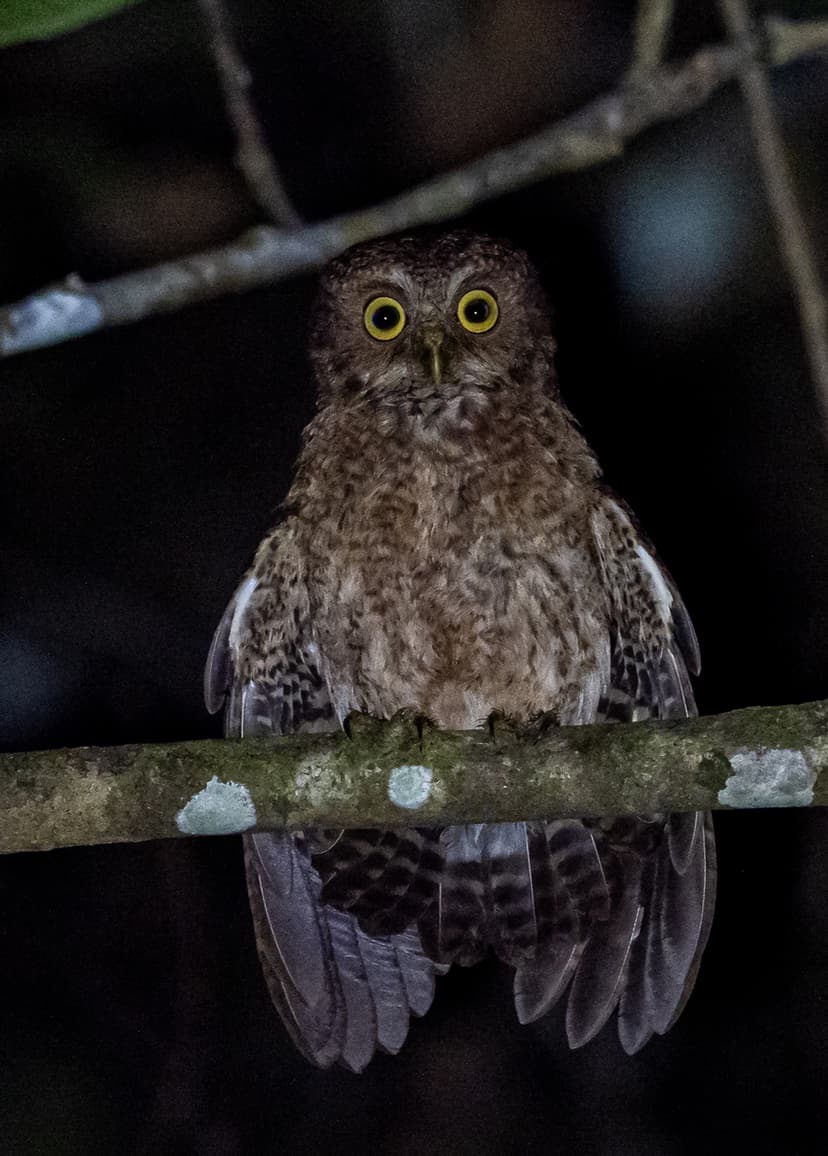
The Christmas boobook (Ninox natalis), also known as the Christmas Island hawk owl, is a small, rufous-brown owl endemic to Christmas Island in the Indian Ocean. It is characterized by its barred breast, dark chestnut facial mask, and a distinctive double-noted hoot. This species faces threats from habitat destruction and introduced species, leading to its vulnerable conservation status.
Key Facts
- ›Endemic to Christmas Island in the Indian Ocean.
- ›Small, rufous-brown owl with a barred breast and chestnut facial mask.
- ›Primarily insectivorous, feeding on beetles, crickets, and moths, but also takes small vertebrates.
- ›Its call is a double-noted hoot, described as having a clucking quality.
- ›Listed as vulnerable by the IUCN due to threats from habitat destruction and invasive species.

Christmas Hawk Owl, Christmas Island Boobook, Christmas Island Hawk Owl
Subtropical Or Tropical Moist Lowland Forest, Subtropical Or Tropical Moist Shrubland
Christmas Island
Insects, Vertebrates
About Christmas boobook
The Christmas boobook (Ninox natalis), also known by the common names Christmas hawk owl, Christmas Island boobook, or Christmas Island hawk owl, is a distinctive species of owl native to Christmas Island. This small raptor belongs to the family Strigidae and is closely related to the hawk-owls found in Southeast Asia and Australia. First classified at the species level in 1888, its status as a separate species was confirmed through DNA testing in 1998.
Habitat and Distribution
This owl is endemic to Christmas Island, a small Australian territory situated in the Indian Ocean. Its natural habitats are subtropical or tropical moist lowland forests and shrublands. The Christmas boobook is widespread across the island, utilizing both primary and disturbed forest areas, though it appears less common in regrowth zones. Preferred roosting sites are concealed and sheltered locations, typically in the lower canopy of trees with deep crowns.
Physical Description and Diet
The Christmas boobook is a rufous-brown owl, measuring approximately 26–29 cm in length and weighing between 130 and 190 grams, with females being slightly larger than males. It is characterized by a barred breast, a dark chestnut facial mask, and a whitish brow, lores, and throat. Its eyes, legs, and feet are a striking yellow. Primarily insectivorous, its diet consists of medium to large insects such as beetles, tree crickets, and moths. It also supplements its diet with small vertebrates, including the Christmas Island white-eye, geckos, and the introduced black rat.
Vocalization and Behavior
The distinctive call of the Christmas boobook is a double-noted hoot, often described as having a clucking quality, with the second note typically lower in pitch. Juveniles emit a high-pitched trill when begging for food. While generally considered nocturnal, specific activity patterns are not extensively detailed.
Conservation Status and Threats
The Christmas boobook is listed as vulnerable by the IUCN. Its restricted range on Christmas Island makes it particularly susceptible to threats. These include man-made habitat destruction resulting from over a century of phosphate mining and more recently, the establishment of Australian Immigration Detention Facilities. Furthermore, the introduction of invasive species such as the yellow crazy ant, cats, and black rats poses a significant danger to both the owl and its ecosystem. The yellow crazy ant, in particular, disrupts the habitat by eliminating native species like the red crab, altering forest composition and potentially preying on nestlings.
Source: Wikipedia ↗
Frequently Asked Questions
What is the Christmas boobook?
The Christmas boobook (Ninox natalis) is a species of owl belonging to the Strigidae family. It is closely related to the hawk-owls found in Southeast Asia and Australia and is endemic to Christmas Island.
Where does the Christmas boobook live?
This owl is found exclusively on Christmas Island, a small Australian territory located in the Indian Ocean, approximately 360 km south of Java. Its natural habitats include subtropical or tropical moist lowland forests and shrublands.
What does the Christmas boobook eat?
The Christmas boobook is primarily insectivorous, consuming medium to large insects such as beetles, tree crickets, and moths. It also supplements its diet with small vertebrates like the Christmas Island white-eye, geckos, and introduced black rats.
What are the main threats to the Christmas boobook?
Major threats include man-made habitat destruction, particularly from phosphate mining and the establishment of immigration detention facilities. The introduction of invasive species like yellow crazy ants, cats, and black rats also poses a significant danger to the species and its habitat.
What is the conservation status of the Christmas boobook?
The Christmas boobook is listed as vulnerable by the International Union for Conservation of Nature (IUCN). This status is due to its restricted range on Christmas Island and the ongoing threats from human activities and introduced species.
Related Owl species
Mindoro boobook
The Mindoro boobook (Ninox mindorensis) is a species of owl endemic to the Philippines, belonging to the Strigidae family. It is distinguished among Philippine hawk-owls by its darker plumage and fine barring on its head and belly. This medium-sized, earless owl inhabits tropical lowland forests and faces a conservation status of vulnerable due to significant habitat loss.

Pemba scops owl
The Pemba scops owl is a small owl species endemic to Pemba Island, off the coast of Tanzania. It is distinguished by its two color morphs, brown and rufous, and its distinctive "hoo" call. This owl is primarily nocturnal and feeds on insects, inhabiting various wooded areas including native forests and plantations.

Rufous fishing owl
The Rufous fishing owl is a medium-sized owl endemic to West Africa, inhabiting forest rivers and mangrove forests. This species is distinguished by its lack of ear tufts, pale cinnamon facial disc, and barred flight feathers. It is primarily nocturnal and feeds on small fish, though its habits are not extensively documented.