
Pemba scops owl
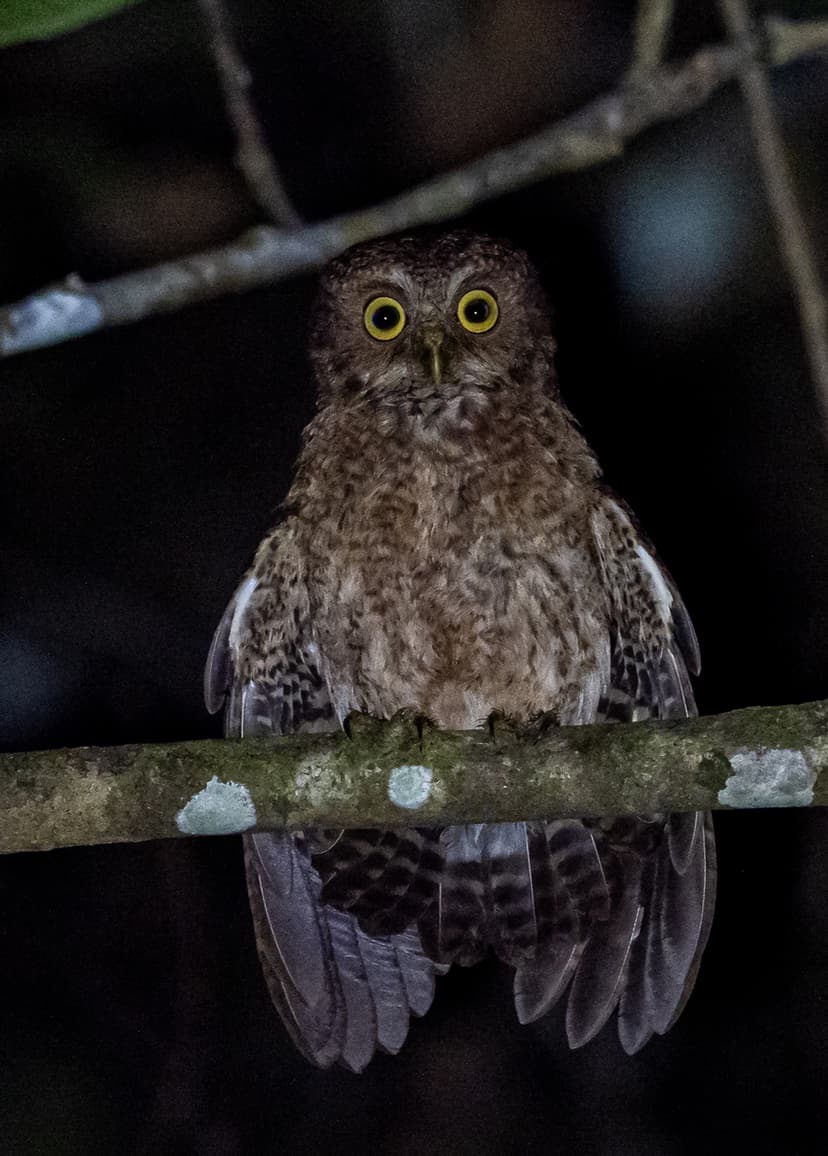
The Pemba scops owl is a small owl species endemic to Pemba Island, off the coast of Tanzania. It is distinguished by its two color morphs, brown and rufous, and its distinctive "hoo" call. This owl is primarily nocturnal and feeds on insects, inhabiting various wooded areas including native forests and plantations.
Key Facts
- ›Endemic to Pemba Island, Tanzania.
- ›Exhibits two color morphs: brown and rufous.
- ›Has a distinctive call described as a single "hoo" note or a rapid series of notes.
- ›Feeds mainly on insects, caught in flight, gleaned from leaves, or on the ground.
- ›Listed as Vulnerable by the IUCN due to habitat loss and declining population.
- ›Largely confined to the remaining native forests of Ngezi and Msitu Mkuu.

Pemba Scops-Owl
Native Forest, Overgrown Plantations of Cloves, Overgrown Plantations of Mango
Tanzania
Insects
About Pemba scops owl
The Pemba scops owl (Otus pembaensis) is a small owl species that is exclusively found on Pemba Island, located off the coast of Tanzania. Previously considered a subspecies of the Madagascar scops owl, genetic research has placed it closer to the African scops owl.
Physical Characteristics and Habitat
This medium-sized owl is identifiable by its short ear-tufts and exists in two distinct color variations: a brown morph and a rufous morph. Both morphs share yellow eyes and legs, and a black bill. The Pemba scops owl measures approximately 15 cm in height with a wingspan of about 45 cm. It inhabits all wooded environments on Pemba, ranging from native forests to cultivated areas like clove and mango plantations, though it is most prevalent in native forests.
Behavior and Diet
Primarily nocturnal, the Pemba scops owl roosts during the day within dense foliage or undergrowth. Its activity begins shortly after sunset, when it starts calling and hunting. Its diet consists mainly of insects, which it captures through various methods including aerial pursuits, gleaning from leaves, or catching them on the ground after a brief glide from a perch. The breeding behavior of this species is not well-documented, but it is believed to breed between August and October, potentially nesting in natural tree cavities.
Conservation Status
The Pemba scops owl is classified as Vulnerable by the IUCN. This status is attributed to its limited geographic range, a continuing decline in its population, and the ongoing loss of its habitat. As of 2025, the species is largely confined to two small remaining native forests, Ngezi and Msitu Mkuu, with an estimated population of 2,500 to 3,000 mature individuals believed to be rapidly decreasing.
Source: Wikipedia ↗
Frequently Asked Questions
What is the scientific name of the Pemba scops owl?
The scientific name of the Pemba scops owl is Otus pembaensis. It belongs to the family Strigidae.
Where is the Pemba scops owl found?
The Pemba scops owl is found exclusively on Pemba Island, which is part of Tanzania and located off the coast of East Africa.
What does the Pemba scops owl look like?
It is a medium-sized scops-owl with short ear-tufts and can be either a pale rufous-brown (brown morph) or a bright, rich rufous (rufous morph). Both morphs have yellow eyes and legs, and a black bill.
What does the Pemba scops owl eat?
Its diet primarily consists of insects, which it may catch while flying, pick from leaves, or capture on the ground after a short glide from a perch.
What is the conservation status of the Pemba scops owl?
The Pemba scops owl is listed as Vulnerable by the IUCN. This is due to its restricted range, ongoing population decline, and habitat loss.
When is the Pemba scops owl most active?
The Pemba scops owl is nocturnal, meaning it is most active at night. It roosts during the day among foliage or in dense undergrowth.
Related Owl species

Christmas boobook
The Christmas boobook (Ninox natalis), also known as the Christmas Island hawk owl, is a small, rufous-brown owl endemic to Christmas Island in the Indian Ocean. It is characterized by its barred breast, dark chestnut facial mask, and a distinctive double-noted hoot. This species faces threats from habitat destruction and introduced species, leading to its vulnerable conservation status.
Mindoro boobook
The Mindoro boobook (Ninox mindorensis) is a species of owl endemic to the Philippines, belonging to the Strigidae family. It is distinguished among Philippine hawk-owls by its darker plumage and fine barring on its head and belly. This medium-sized, earless owl inhabits tropical lowland forests and faces a conservation status of vulnerable due to significant habitat loss.

Rufous fishing owl
The Rufous fishing owl is a medium-sized owl endemic to West Africa, inhabiting forest rivers and mangrove forests. This species is distinguished by its lack of ear tufts, pale cinnamon facial disc, and barred flight feathers. It is primarily nocturnal and feeds on small fish, though its habits are not extensively documented.