
Cloud-forest screech owl
The cloud-forest screech owl (Megascops marshalli) is a small owl species found in the cloud forests of Bolivia and Peru. It is distinguished by its rufous facial disc, short ear tufts, and reddish-brown upperparts with blackish mottling. This owl is believed to be primarily insectivorous and breeds in tree cavities.
Key Facts
- ›Inhabits humid cloud forests with dense understory and epiphytes.
- ›Found in south and central Peru, and has been recorded in northern Bolivia.
- ›Possesses a rufous facial disc, distinct white brows, and short ear tufts.
- ›Primarily insectivorous, foraging in the forest canopy.
- ›Breeding is believed to occur between late June and August.
- ›Classified as near Threatened by the IUCN due to its very small range.

- Cloud forest
- Humid, mossy landscape with epiphytes and ferns
- Dense understory
Bolivia, Peru
Insects
About Cloud-forest screech owl
The cloud-forest screech owl, scientifically known as Megascops marshalli, is a small owl species native to the high-altitude cloud forests of South America, specifically found in Bolivia and Peru. It is recognized for its distinctive rufous facial disc, white brows, short ear tufts, and reddish-brown plumage marked with blackish mottling. This owl is among the smallest members of the screech owl genus, with individuals measuring between 20 to 23 centimeters in length.
Habitat and Distribution
This species inhabits humid, mossy cloud forests characterized by abundant epiphytes, ferns, and a dense understory. Its known range extends from south and central Peru, including departments such as Pasco, Cuzco, and Puno, and has been recorded in northern Bolivia since 2005. It typically occupies elevations from 1,900 to 2,600 meters (6,200 to 8,500 ft) and potentially higher.
Diet and Behavior
The cloud-forest screech owl is believed to be primarily insectivorous, foraging for its prey within the forest canopy. Very little is documented about its breeding habits, though it is thought to breed between late June and August and likely nests in tree cavities, a common practice among its genus.
Vocalizations
Its vocalizations are distinctive, featuring a "continuous series of monotonic hoots" that build in intensity before ending abruptly. Occasionally, it also emits a "trill-like short song".
Conservation Status
The International Union for Conservation of Nature (IUCN) has classified the cloud-forest screech owl as Near Threatened. This designation reflects concerns about its very small geographic range, which makes the species highly susceptible to potential threats impacting its specialized habitat.
Source: Wikipedia ↗
Frequently Asked Questions
What is the scientific name of the cloud-forest screech owl?
The scientific name of the cloud-forest screech owl is Megascops marshalli. This binomial nomenclature is used for scientific classification and identification of the species.
Where is the cloud-forest screech owl found?
The cloud-forest screech owl is native to Bolivia and Peru. It specifically inhabits the cloud forests within these South American countries.
What does the cloud-forest screech owl look like?
It is a small owl, measuring 20 to 23 cm in length. It features a rufous facial disc with dark edges, white brows above dark brown eyes, and short ear tufts. Its plumage is mostly reddish-brown with blackish mottling on the upperparts and streaking on the underparts.
What does the cloud-forest screech owl eat?
The cloud-forest screech owl is believed to be mostly insectivorous. It forages in the forest canopy, likely preying on insects found there.
What is the conservation status of the cloud-forest screech owl?
The International Union for Conservation of Nature (IUCN) has assessed the cloud-forest screech owl as Near Threatened. This status is due to its very small geographic range, making it highly vulnerable to habitat threats.
What are the distinctive calls of the cloud-forest screech owl?
Its song is described as a continuous series of monotonic hoots that increase in intensity before ending abruptly. It may also produce a trill-like short song occasionally.
Related Owl species
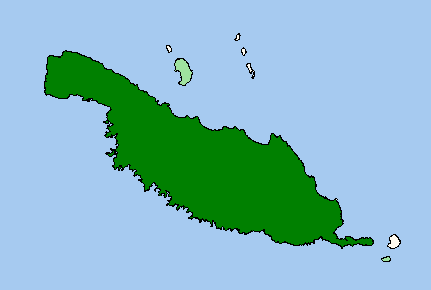
Makira owl
The Makira owl is a small to medium-sized owl endemic to Makira Island in the Solomon Islands. It is distinguished by its mottled brown plumage, bright yellow eyes, rose-colored underwing coverts, and rounded head, which aid in camouflage. This species prefers dense tropical rainforests, particularly near water, and is a stealthy hunter of insects and small animals.

Nicobar scops owl
The Nicobar scops owl (Otus alius) is a species of owl endemic to the Nicobar Islands in India, primarily found on Great Nicobar Island. Its natural habitat is tropical moist lowland forests. This species was first described by Pamela C. Rasmussen in 1998 and is currently assessed as Near Threatened.

Chaco owl
The Chaco owl is a species of owl native to southern South America, inhabiting the Gran Chaco region of Argentina, Bolivia, and Paraguay. It is distinguished by its lack of ear tufts, pale facial disk with dark lines, and barred plumage. Primarily nocturnal hunters, they are vocally active during twilight hours.