
Makira owl
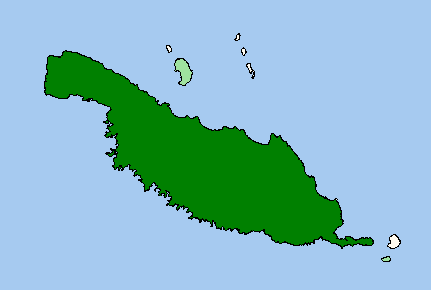
The Makira owl is a small to medium-sized owl endemic to Makira Island in the Solomon Islands. It is distinguished by its mottled brown plumage, bright yellow eyes, rose-colored underwing coverts, and rounded head, which aid in camouflage. This species prefers dense tropical rainforests, particularly near water, and is a stealthy hunter of insects and small animals.
Key Facts
- ›Endemic to Makira Island in the Solomon Islands.
- ›Prefers dense tropical rainforests with significant canopy cover, often near water.
- ›Distinguished by mottled brown plumage, bright yellow eyes, and rose-colored underwing coverts.
- ›Primarily preys on insects, small birds, and other small animals.
- ›Generally solitary, though pairs may be seen during the mating season.
- ›Classified as 'near Threatened' due to habitat loss from deforestation.
Makira Boobook
Subtropical and Tropical Moist Lowland, Thick Tropical Rainforests, Areas With Significant Canopy Cover, Secondary Forests, Areas Close To Water Sources
Solomon Islands, Makira Island
Insects, Small Birds, Small Animals
Possible Enemies
About Makira owl
The Makira owl (Athene roseoaxillaris), also known as the Makira boobook, is a small to medium-sized owl species endemic to Makira Island in the Solomon Islands. It was once considered a subspecies of the Solomons boobook.
Distribution and Habitat
This owl primarily inhabits Makira Island, preferring dense tropical rainforests, especially in areas with substantial canopy cover and proximity to water sources. It can be found in both primary and secondary forests, utilizing the thick vegetation for camouflage and protection from predators.
Physical Description
The Makira owl's appearance is characterized by its mottled brown plumage, bright yellow eyes, and a rounded head, all of which contribute to excellent camouflage within its woodland habitat. A distinctive feature is its rose-colored underwing coverts.
Diet and Hunting
Its diet consists mainly of small animals, including insects and small birds. The Makira owl is a stealthy hunter, employing its keen hearing and superb night vision to locate prey. It typically hunts from a perch, observing its surroundings before silently swooping down to capture its meal. Stealth and surprise are key elements of its hunting strategy.
Behavior and Conservation
Makira owls spend most of their lives within the dense forest canopy, resting during the day. While generally silent, they may emit gentle hoots at night, particularly during the mating season. The species is sedentary, with little evidence of migration. Pairs are sometimes observed together during breeding periods, but the owl is otherwise solitary. Its conservation status is 'Near Threatened,' primarily due to extensive habitat loss resulting from deforestation for agricultural expansion and timber extraction. The species' restricted range on a single island makes it vulnerable to environmental changes. Conservation efforts focus on mitigating human impact and preserving the remaining primary forests of Makira.
Source: Wikipedia ↗
Frequently Asked Questions
What is the Makira owl's scientific name and other common names?
The scientific name for the Makira owl is *Athene roseoaxillaris*. It is also commonly known as the Makira boobook.
Where is the Makira owl found?
The Makira owl is endemic to Makira Island in the Solomon Islands. It may also be found on Ugi Island and Owariki.
What does the Makira owl eat?
The Makira owl's diet consists of small animals, including insects and small birds. It uses its keen hearing and excellent night vision to locate prey.
What are the distinctive physical features of the Makira owl?
The Makira owl has mottled brown plumage, bright yellow eyes, and a rounded head. A notable feature is its rose-colored underwing coverts, which help it blend into its woodland habitat.
What is the conservation status of the Makira owl?
The Makira owl is classified as 'Near Threatened' by the IUCN. This status is primarily due to habitat loss caused by deforestation for agriculture and timber extraction.
How does the Makira owl hunt?
The Makira owl hunts stealthily, often from a perch, using its sharp hearing and night vision to detect prey. It then swoops down to capture its meal with minimal movement.
Related Owl species

Cloud-forest screech owl
The cloud-forest screech owl (Megascops marshalli) is a small owl species found in the cloud forests of Bolivia and Peru. It is distinguished by its rufous facial disc, short ear tufts, and reddish-brown upperparts with blackish mottling. This owl is believed to be primarily insectivorous and breeds in tree cavities.

Nicobar scops owl
The Nicobar scops owl (Otus alius) is a species of owl endemic to the Nicobar Islands in India, primarily found on Great Nicobar Island. Its natural habitat is tropical moist lowland forests. This species was first described by Pamela C. Rasmussen in 1998 and is currently assessed as Near Threatened.

Chaco owl
The Chaco owl is a species of owl native to southern South America, inhabiting the Gran Chaco region of Argentina, Bolivia, and Paraguay. It is distinguished by its lack of ear tufts, pale facial disk with dark lines, and barred plumage. Primarily nocturnal hunters, they are vocally active during twilight hours.