
Nicobar scops owl
The Nicobar scops owl (Otus alius) is a species of owl endemic to the Nicobar Islands in India, primarily found on Great Nicobar Island. Its natural habitat is tropical moist lowland forests. This species was first described by Pamela C. Rasmussen in 1998 and is currently assessed as Near Threatened.
Key Facts
- ›Endemic to the Nicobar Islands, India.
- ›Found in tropical moist lowland forests.
- ›First described in 1998 by Pamela C. Rasmussen.
- ›Diet includes spiders, beetles, and geckos.
- ›Classified as near Threatened by the IUCN.

Tropical Moist Lowland Forests
India
Spiders, Beetles, Geckos
About Nicobar scops owl
What is known about the Nicobar Scops Owl
The Nicobar scops owl, scientifically designated as Otus alius, is a species of owl belonging to the family Strigidae. This elusive bird is endemic to the Nicobar Islands of India, with its presence most reliably documented on Great Nicobar Island. It is also believed that it may inhabit Little Nicobar Island.
Habitat and Diet
The preferred natural habitat of the Nicobar scops owl consists of tropical moist lowland forests. Information regarding its diet is sparse, but individuals observed have been reported to consume a variety of invertebrates and small vertebrates, including spiders, beetles, and geckos.
Discovery and Conservation
The Nicobar scops owl was first formally described by Pamela C. Rasmussen in 1998. Due to limited knowledge and potential threats to its specialized habitat, the International Union for Conservation of Nature (IUCN) has assessed this species as Near Threatened, highlighting the need for continued monitoring and conservation efforts.
Source: Wikipedia ↗
Frequently Asked Questions
What is the scientific name of the Nicobar scops owl?
The scientific name of the Nicobar scops owl is Otus alius.
Where does the Nicobar scops owl live?
The Nicobar scops owl is endemic to the Nicobar Islands in India, with primary sightings on Great Nicobar Island and potential occurrences on Little Nicobar Island.
What is the conservation status of the Nicobar scops owl?
The International Union for Conservation of Nature (IUCN) has assessed the Nicobar scops owl as Near Threatened.
What does the Nicobar scops owl eat?
Very little is known about the Nicobar scops owl's diet, but reported food items include spiders, beetles, and geckos.
When was the Nicobar scops owl first described?
The Nicobar scops owl was originally described by Pamela C. Rasmussen in 1998.
Related Owl species

Cloud-forest screech owl
The cloud-forest screech owl (Megascops marshalli) is a small owl species found in the cloud forests of Bolivia and Peru. It is distinguished by its rufous facial disc, short ear tufts, and reddish-brown upperparts with blackish mottling. This owl is believed to be primarily insectivorous and breeds in tree cavities.
Makira owl
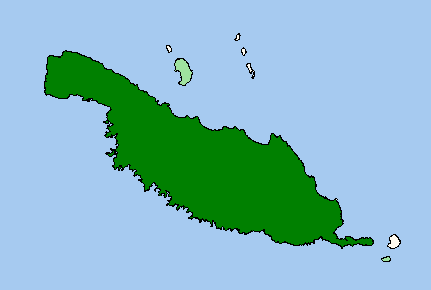
The Makira owl is a small to medium-sized owl endemic to Makira Island in the Solomon Islands. It is distinguished by its mottled brown plumage, bright yellow eyes, rose-colored underwing coverts, and rounded head, which aid in camouflage. This species prefers dense tropical rainforests, particularly near water, and is a stealthy hunter of insects and small animals.

Chaco owl
The Chaco owl is a species of owl native to southern South America, inhabiting the Gran Chaco region of Argentina, Bolivia, and Paraguay. It is distinguished by its lack of ear tufts, pale facial disk with dark lines, and barred plumage. Primarily nocturnal hunters, they are vocally active during twilight hours.