
Laughing owl
The laughing owl (Ninox albifacies), also known as whēkau, was an extinct species of owl endemic to New Zealand. Known for its distinctive, often described as mischievous or dismal, vocalizations, it was once plentiful but disappeared by the early 20th century. Its extinction is attributed to a combination of factors including persecution, habitat changes, and introduced predators.
Key Facts
- ›Endemic to New Zealand, the laughing owl is now considered extinct.
- ›Its scientific name is Ninox albifacies; it was formerly placed in the genus Sceloglaux.
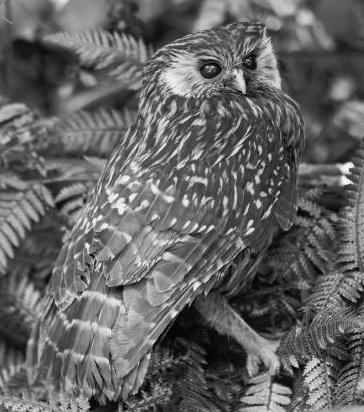
- ›The species was characterized by a yellowish-brown plumage with dark brown stripes and a white facial disc.
- ›Its diet was diverse, including insects, wētā, birds, geckos, and later introduced rodents like rats and mice.
- ›Breeding began in September or October, with females laying two roundish, white eggs.
- ›Extinction was primarily caused by persecution for specimens, land use changes, and introduced predators like stoats and cats.
WhēKau, Laughing Jackass, White-Faced Owl
Rocky Areas, Low-Rainfall Districts, Forest Districts
New Zealand
Beetles, WēTā, Birds, Geckos, Rats, Mice, Prions, Coenocorypha Snipe, KāKāRiki, Earthworms, Bats, Fish, Tuatara
Stoats, Cats
About Laughing owl
What is known about the Laughing Owl
The laughing owl (Ninox albifacies), also known by its Māori name whēkau, was a species of owl endemic to New Zealand. Once relatively common, its scientific description was published in 1845, but by 1914, it was largely or completely extinct. The species is known for its distinctive vocalizations, described as a series of dismal shrieks, which gave rise to its common name.
Taxonomy and Phylogeny
Initially described as Athene albifacies, the laughing owl was later placed in its own genus, Sceloglaux. However, recent genetic studies have indicated that it belongs within the genus Ninox, alongside the boobook owls. Two subspecies were described, N. a. rufifacies from the North Island and N. a. albifacies from the South Island, though the exact range and occurrence of the North Island subspecies have been subjects of discussion, later supported by subfossil evidence.
Physical Description and Behavior
The laughing owl had yellowish-brown plumage streaked with dark brown, white markings on the scapulars, and barred wings and tail. Its facial disc was white, fading to grey with brown stripes. Individuals varied in coloration, with some being more rufous. It was a ground-feeding owl, actively chasing prey on foot rather than hunting from the wing. Its diet was diverse, including invertebrates, small vertebrates like geckos and bats, and later, introduced rodents such as rats and mice.
Reproduction and Extinction
Breeding typically commenced in September or October. Nests were constructed on the ground, in rocky crevices, or under boulders, lined with dried grass. Females laid clutches of two roundish, white eggs. The extinction of the laughing owl is attributed to a combination of factors including persecution by humans, habitat alteration, and the introduction of predators such as stoats and cats, which proved devastating to the species.
Source: Wikipedia ↗
Frequently Asked Questions
What is the scientific name of the laughing owl?
The scientific name of the laughing owl is Ninox albifacies. It was formerly classified in the monotypic genus Sceloglaux, but genetic studies indicate it belongs with the boobook owls in the genus Ninox.
Where did the laughing owl live?
The laughing owl was endemic to New Zealand. Subspecies were described from both the North Island and the South Island, inhabiting various regions including forest districts and low-rainfall areas.
What did the laughing owl eat?
The diet of the laughing owl was varied, consisting of a wide range of prey. This included insects, wētā, birds, geckos, bats, and fish, as well as introduced prey such as rats and mice.
Why is the laughing owl called the laughing owl?
The species was named the laughing owl due to its distinctive call, described as a loud cry made up of a series of dismal shrieks. Other descriptions include a peculiar barking noise or a melancholy hooting note.
When did the laughing owl go extinct?
The laughing owl was largely or completely extinct by 1914, with the last recorded specimen found dead on July 5, 1914. Unconfirmed reports suggest its presence continued in some areas into the mid-20th century.
What caused the extinction of the laughing owl?
The extinction of the laughing owl is attributed to several factors, including persecution by humans for specimens, changes in land use, and the introduction of predators such as stoats and cats, which directly preyed upon the owls.
Related Owl species

Rodrigues scops owl
The Rodrigues scops owl was a small, extinct owl species that inhabited the Mascarene island of Rodrigues. It is distinguished by its evolutionary adaptation to island life, including gigantism and a more arboreal lifestyle compared to its continental relatives. The owl likely went extinct in the mid-18th century due to human settlement and introduced predators.
Mauritius scops owl
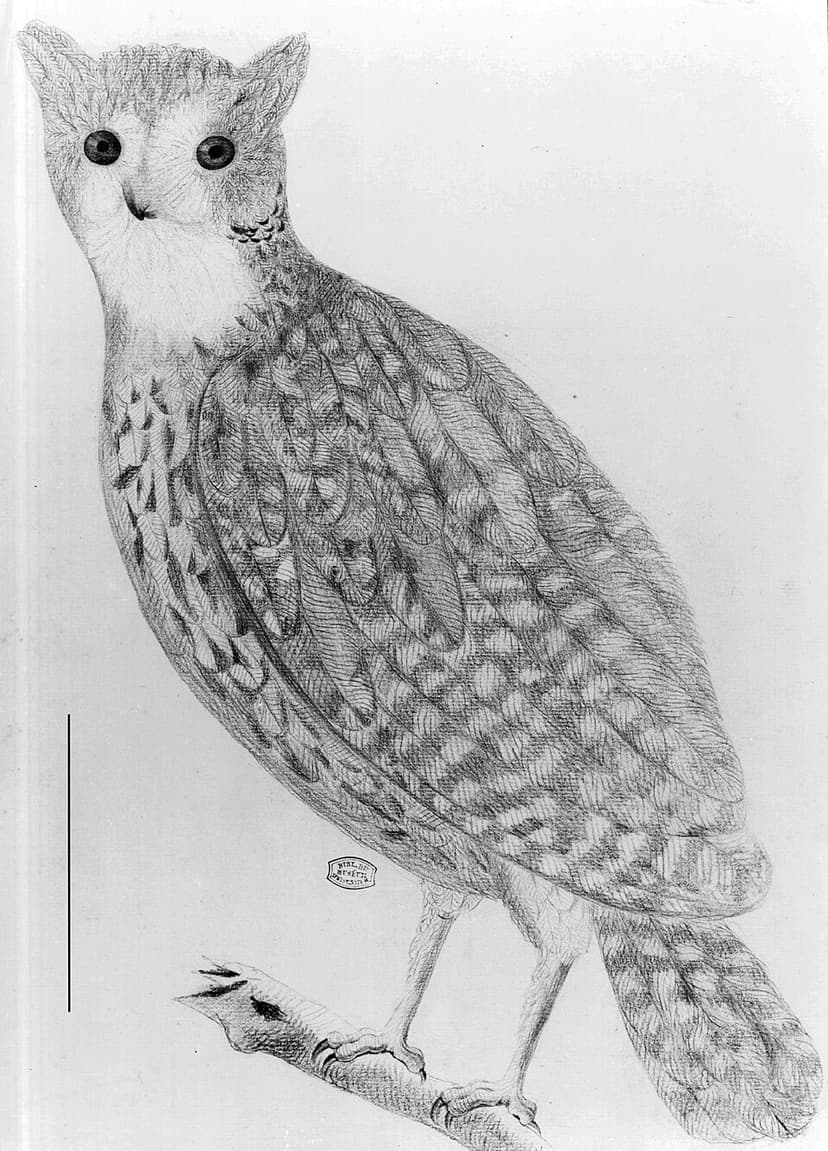
The Mauritius scops owl (Otus sauzieri) was an extinct species of scops owl native to the Mascarene island of Mauritius. Distinctive for its large size relative to other scops owls, prominent ear-tufts, and long, featherless legs, it likely had more terrestrial hunting habits. Its unique white eyebrows and bristles were also notable features.
African grass owl
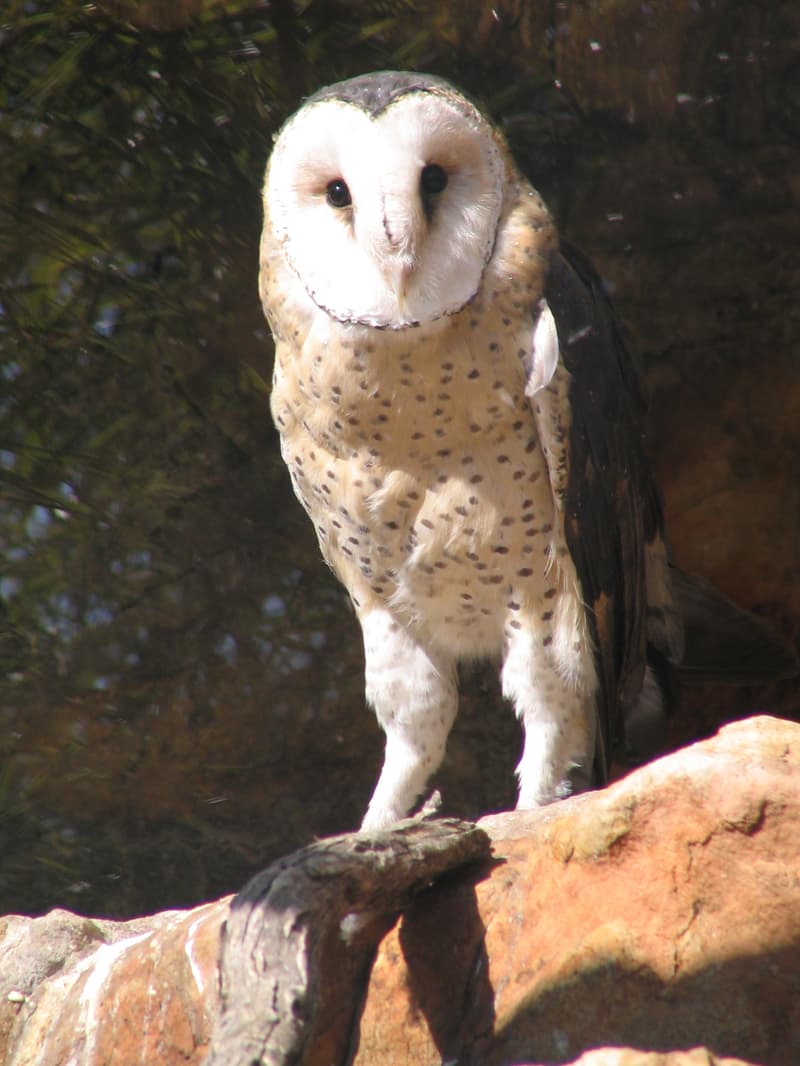
The African grass owl (Tyto capensis) is a medium-sized owl found in sub-Saharan Africa, known for its uniform sooty blackish-brown upperparts and heart-shaped facial disc. It primarily inhabits moist grasslands and savannas, where it hunts rodents and other small mammals at night.