
Mindoro scops owl
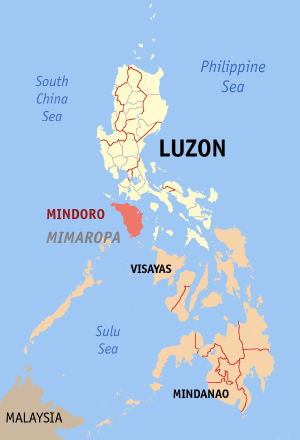
The Mindoro scops owl is a small owl species endemic to the island of Mindoro in the Philippines. It inhabits tropical moist montane forests at high elevations and is distinguished by its unique morphology compared to related scops owls. This species is considered near threatened due to ongoing habitat loss.
Key Facts
- ›Native to the island of Mindoro in the Philippines.
- ›Inhabits tropical moist montane forests above 870 meters elevation.
- ›Considered a highland specialist scops owl, alongside the Luzon and Mindanao scops owls.
- ›Its diet is not precisely known but is presumed to consist of insects.
- ›Breeding activity, indicated by well-developed gonads, occurs from January to may.
- ›Classified as near Threatened by conservation organizations due to habitat destruction.
Mindoro Scops-Owl
Tropical Moist Montane Forests
Philippines
Insects
About Mindoro scops owl
The Mindoro scops owl (Otus mindorensis) is a small owl species endemic to the island of Mindoro in the Philippines. This species is distinguished as one of three highland specialist scops owls, alongside the Luzon scops owl and the Mindanao scops owl. It occupies a specific ecological niche within tropical moist montane forests, typically found at elevations above 870 meters.
Taxonomy and Appearance
Historically, the Mindoro scops owl was sometimes considered a subspecies of the Oriental scops owl or the Eurasian scops owl. However, it possesses distinct morphological differences that led to its recognition as a separate species. While it bears a resemblance to the Mantanani scops owl, their habitat requirements are significantly different.
Ecology and Behavior
The precise diet of the Mindoro scops owl is not definitively known, though it is presumed to consist mainly of insects. Evidence regarding its reproductive cycle comes from the examination of collected specimens, which showed well-developed eggs and gonads during the period from January to May. Details concerning its nesting habits and egg clutch size remain undescribed.
Habitat and Conservation
The Mindoro scops owl resides in a terrestrial environment, specifically within high-elevation forests. Its global range is very limited, and the species does not undertake migratory movements. The primary threat to its survival is ongoing habitat loss due to forest clearance. Conservation assessments classify the Mindoro scops owl as Near Threatened, with an estimated population of 15,750–44,000 mature individuals, and the population trend is believed to be declining.
Source: Wikipedia ↗
Frequently Asked Questions
Where does the Mindoro scops owl live?
The Mindoro scops owl is found exclusively on the island of Mindoro in the Philippines. It specifically inhabits tropical moist montane forests at elevations above 870 meters.
What does the Mindoro scops owl eat?
The precise diet of the Mindoro scops owl is not definitively known. However, it is presumed to feed primarily on insects, a common food source for many small owl species.
What is the conservation status of the Mindoro scops owl?
The Mindoro scops owl is classified as Near Threatened. This status is primarily due to the ongoing clearance and destruction of its forest habitat.
When is the breeding season for the Mindoro scops owl?
Evidence from collected specimens suggests breeding activity occurs between January and May. During these months, individuals have been observed with well-developed gonads, indicating reproductive readiness.
How many Mindoro scops owls are there?
Estimates suggest there are between 15,750 and 44,000 mature individuals of the Mindoro scops owl. The population is believed to be in decline.
Related Owl species

Chaco owl
The Chaco owl is a species of owl native to southern South America, inhabiting the Gran Chaco region of Argentina, Bolivia, and Paraguay. It is distinguished by its lack of ear tufts, pale facial disk with dark lines, and barred plumage. Primarily nocturnal hunters, they are vocally active during twilight hours.

Javan scops owl
The Javan scops owl (Otus angelinae), also known locally as Celepuk Jawa, is a small owl endemic to the high volcanic mountains of western Java. It is distinguished by its rusty-brown facial disc, prominent white eyebrows and ear-tufts, and a unique alarm call. This nocturnal predator primarily hunts insects and other small invertebrates in montane forests.

Mantanani scops owl
The Mantanani scops owl is a small owl species found on islands between Borneo and the Philippines. It is characterized by its buff facial disk, dark brown upperparts with pale markings, and pale underparts with dark streaks. The species is listed as "near threatened" due to its limited and fragmented range and the ongoing degradation of its forest habitat.