
Moluccan scops owl
The Moluccan scops owl (Otus magicus) is a species of owl native to the Maluku and Lesser Sunda Islands of Indonesia. It is known for its spiritual significance to the Pesaguan Dayak people, who associate its call with misfortune and death, a belief that may offer it protection.
Key Facts
- ›Found in the Maluku and Lesser Sunda Islands of Indonesia.
- ›Closely resembles the Rinjani scops owl.
- ›Has spiritual significance to the Pesaguan Dayak people.
- ›Its call is believed to be a sign of misfortune and death.
- ›This belief may protect the species from being hunted.

Moluccan Scops Owl
Indonesia
About Moluccan scops owl
The Moluccan scops owl, scientifically known as Otus magicus, is a species of owl native to the Indonesian archipelago. Its range encompasses the Maluku Islands and the Lesser Sunda Islands, making it a regional resident of significant ecological and cultural interest.
Spiritual Significance
This owl holds particular spiritual importance for the Pesaguan Dayak people. They associate its vocalizations with ill fortune, believing its call to be reminiscent of death. This deeply held cultural belief may inadvertently serve as a protective measure, discouraging hunting and thus contributing to the species' continued presence in its native habitats.
Taxonomy and Relatives
The Moluccan scops owl is recognized for its close resemblance to the Rinjani scops owl. Several subspecies are acknowledged within its classification, reflecting variations across its distribution: O. m. kalidupae, O. m. morotensis, O. m. leucospilus, O. m. obira, O. m. bouruensis, O. m. magicus, and O. m. albiventris. Historically, the Wetar scops owl (O. tempestatis) was considered a subspecies but has since been identified as a distinct species.
Source: Wikipedia ↗
Frequently Asked Questions
Where is the Moluccan scops owl found?
The Moluccan scops owl is found in the Maluku and Lesser Sunda Islands of Indonesia.
What is the spiritual significance of the Moluccan scops owl?
To the Pesaguan Dayak people, the Moluccan scops owl holds spiritual significance. Its call is believed to be a harbinger of misfortune and death.
Does the Moluccan scops owl have any predators?
While specific predators are not detailed, the belief that the owl's call signifies misfortune may indirectly protect it from being hunted by humans.
Is the Moluccan scops owl similar to other owl species?
Yes, the Moluccan scops owl closely resembles the Rinjani scops owl.
Related Owl species
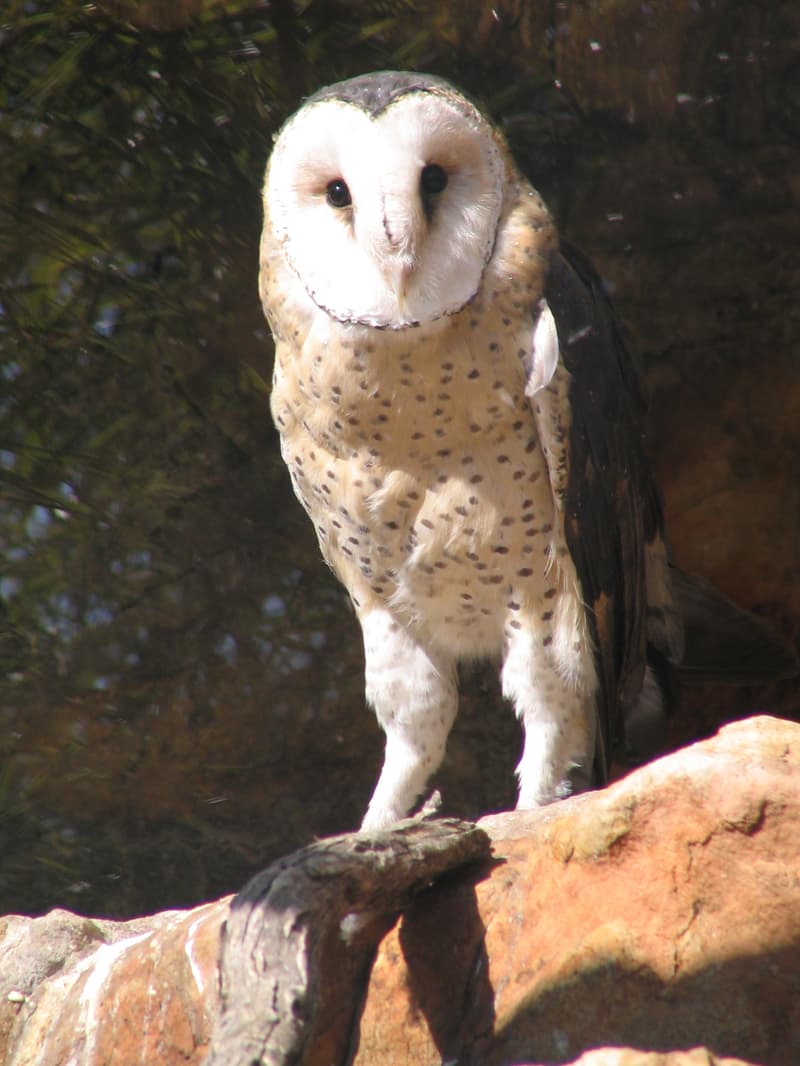
African grass owl
The African grass owl (Tyto capensis) is a medium-sized owl found in sub-Saharan Africa, known for its uniform sooty blackish-brown upperparts and heart-shaped facial disc. It primarily inhabits moist grasslands and savannas, where it hunts rodents and other small mammals at night.

African scops owl
The African scops owl (Otus senegalensis) is a small owl native to sub-Saharan Africa, characterized by its cryptic greyish-brown plumage and bright yellow eyes. It is a strictly nocturnal hunter, often overlooked during the day due to its remarkable camouflage. Its distinctive call is a monotonous "prrrp" sound.

African wood owl
The African wood owl (Strix woodfordii), also known as Woodford's owl, is a common forest owl species native to sub-Saharan Africa. It is distinguished by its rounded head, large dark eyes with white eyebrows, and a distinctive hooting call that can be heard over long distances. This owl is strictly nocturnal and primarily inhabits indigenous forests and woodlands.