
Chattering lory
The chattering lory is a vibrant, forest-dwelling parrot native to North Maluku, Indonesia. Its name derives from its noisy, babbling vocalizations, and it is predominantly red with green wings and a yellow wing angle. This species is considered vulnerable due to trapping for the cage-bird trade.
Key Facts
- ›Endemic to North Maluku, Indonesia.
- ›Predominantly red plumage with green wings and yellow wing angle.
- ›Faces threats from trapping for the cage-bird trade, leading to a vulnerable conservation status.
- ›Possesses an orange beak and grey eyerings.
- ›Three recognized subspecies exist, with some variation in back coloration.
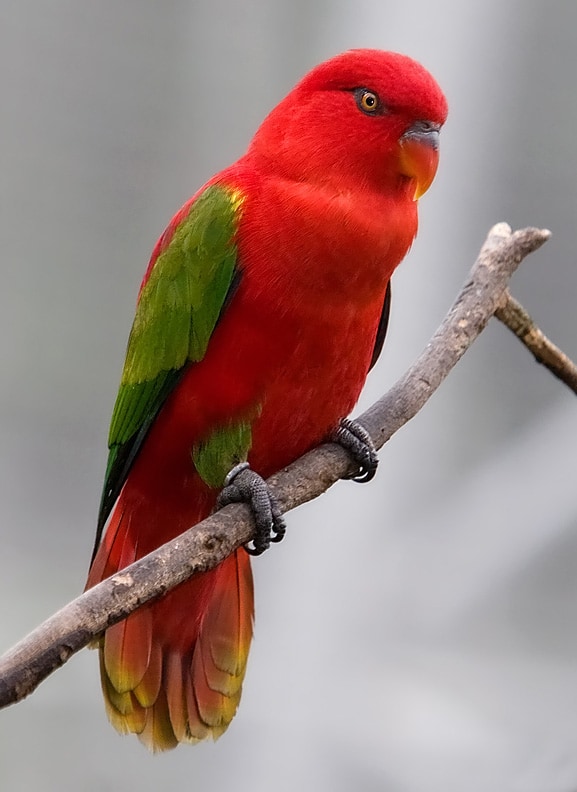
Chattering Lori
Indonesia
Forest
Yellow Wing Angle, Orange Beak, Grey Eyerings, Yellow Area On Back
Chattering, Babbling, Noisy
About Chattering lory
The Chattering Lory
The chattering lory, scientifically known as Lorius garrulus, is a striking parrot species native to the lush forests of North Maluku, Indonesia. Its common name aptly describes its vocal nature, characterized by chattering and babbling sounds. This species is predominantly red, featuring an all-red head, an orange beak, and grey eyerings. The wings are primarily green, distinguished by a yellow angle, and its thighs are also green. The tail is tipped with dark green, and depending on the subspecies, it may exhibit a yellow patch on its back.
Taxonomy and Subspecies
First formally described by Carl Linnaeus in 1758, the chattering lory belongs to the genus Lorius. The specific epithet 'garrulus' is derived from Latin, meaning "chattering" or "noisy." Three subspecies are recognized, each with slight variations in distribution and sometimes plumage: L. g. flavopalliatus, known as the yellow-backed lory, found on islands like Kasiruta and Bacan; the nominate subspecies L. g. garrulus, inhabiting Halmahera and Ternate; and L. g. morotaianus, found on Morotai and Rau Islands.
Conservation Status and Threats
The chattering lory is classified as a vulnerable species by the IUCN Red List. The most significant threat to its survival is the illegal trapping for the global cage-bird trade. This demand, coupled with habitat pressures, has led to a decline in wild populations, making conservation efforts crucial for its long-term persistence.
Popular Culture
In recent years, chattering lories have gained some recognition in popular culture, particularly through social media platforms. Videos and memes featuring these parrots, often noted for their distinctive vocalizations that can resemble laughter, have garnered significant attention online, highlighting their engaging personalities.
Source: Wikipedia ↗
Frequently Asked Questions
What is the chattering lory?
The chattering lory is a species of forest-dwelling parrot. It is known for its noisy and babbling vocalizations, which give it its name. This parrot is primarily found in Indonesia.
What are the main threats to the chattering lory?
The primary threat to the chattering lory is trapping for the cage-bird trade. This practice has contributed to its classification as a vulnerable species.
What does a chattering lory look like?
Chattering lories are mostly red with an all-red head and an orange beak. They have green wings with a yellow angle, green thighs, and a dark green-tipped tail. Their eyerings are grey and their irises are orange-red.
Where does the chattering lory come from?
The chattering lory is endemic to the North Maluku region of Indonesia. Its native range includes islands such as Halmahera, Morotai, and Bacan.
Are there different types of chattering lories?
Yes, three subspecies of chattering lory are recognized. These include L. g. flavopalliatus (the yellow-backed lory), L. g. garrulus (the nominate subspecies), and L. g. morotaianus.
What is the Latin name for the chattering lory?
The binomial scientific name for the chattering lory is Lorius garrulus. The specific epithet 'garrulus' is Latin for 'chattering,' 'babbling,' or 'noisy.'
Related Parrot species
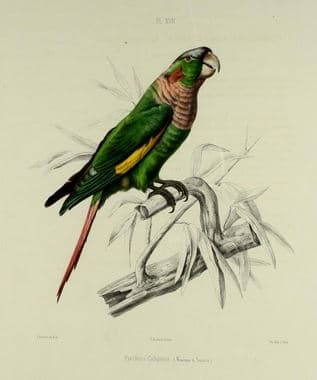
Flame-winged parakeet
The flame-winged parakeet, also known as the brown-breasted parakeet, is a medium-sized parrot endemic to the eastern Andean slopes of Colombia. This species is distinguished by its bright yellow primary coverts and bluish primaries, with vivid yellow and orange-red wing markings visible in flight, which give it its common name. It is currently facing threats from habitat loss and fragmentation, leading to a declining population.
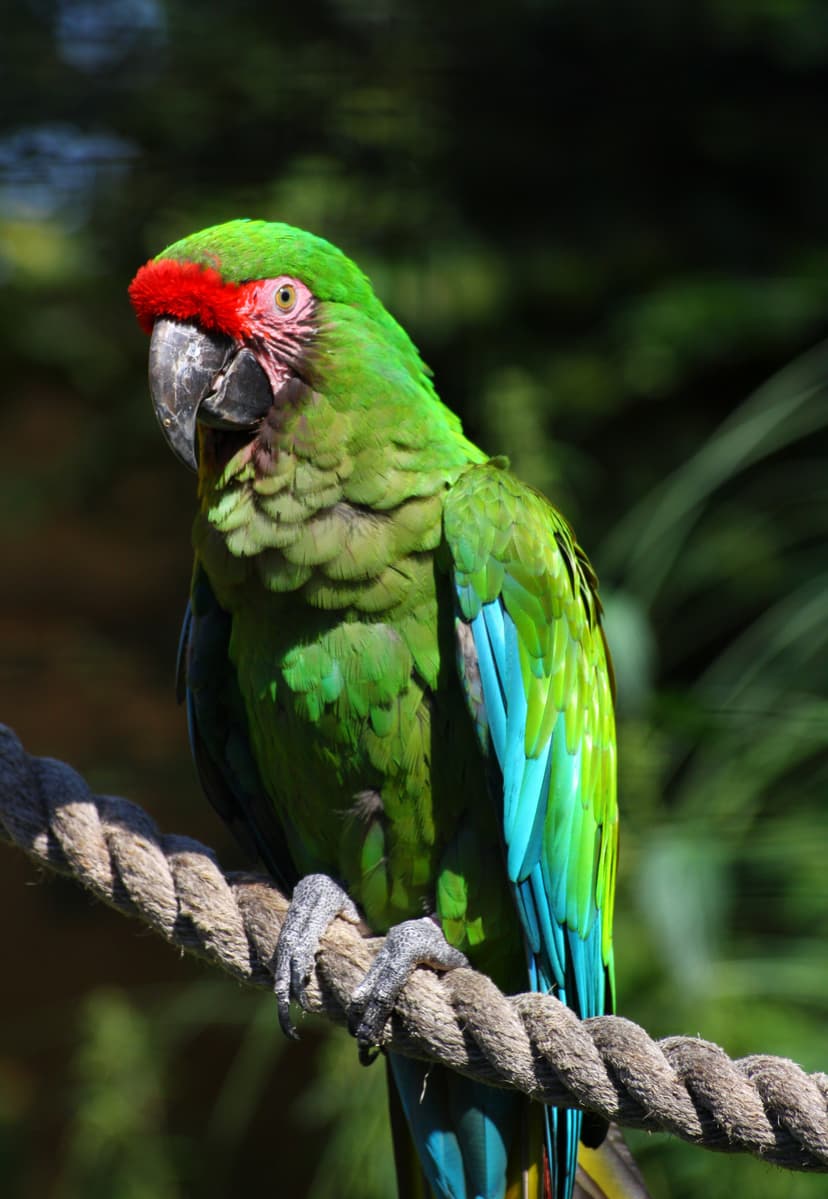
Military macaw
The military macaw (Ara militaris) is a medium to large parrot recognized by its predominantly green plumage accented with blue and yellow, and a distinctive red forehead patch, reminiscent of a military uniform. Native to a range stretching from west-central Mexico down to northern Argentina and Bolivia, these macaws are known for their loud vocalizations and social behavior. While facing conservation challenges, they are also commonly found in captivity due to their relative ease of breeding and long lifespan.

Blue-headed racket-tail
The blue-headed racket-tail is a medium-sized parrot native to the western Philippines, particularly the Palawan region. It is distinguished by its vibrant blue head plumage and unique tail feathers, which have extended shafts ending in a racket shape. This species inhabits humid lowland forests and is currently classified as Vulnerable due to significant threats from habitat destruction and limited trapping for the cage-bird trade.