
Diademed amazon
The Diademed Amazon (Amazona diadema) is a species of parrot native to the Amazon basin in north-western Brazil. It was formerly considered a subspecies of the Red-lored Amazon but is now recognized as distinct, though molecular analysis may further clarify its species status. This largely green parrot is distinguished by subtle red and black markings, particularly on its forehead and wing feathers, and inhabits lowland forests.
Key Facts
- ›Native to the Amazon basin in north-western Brazil.
- ›Largely green plumage with red and black markings, including on the forehead and wing feathers.
- ›Feeds primarily on fruits and nuts.
- ›Inhabits lowland forests, woodland margins, and areas with scattered trees.
- ›Threatened by habitat loss due to deforestation for agriculture and the pet trade.
- ›Conservation status is assessed as 'least concern' by the IUCN.
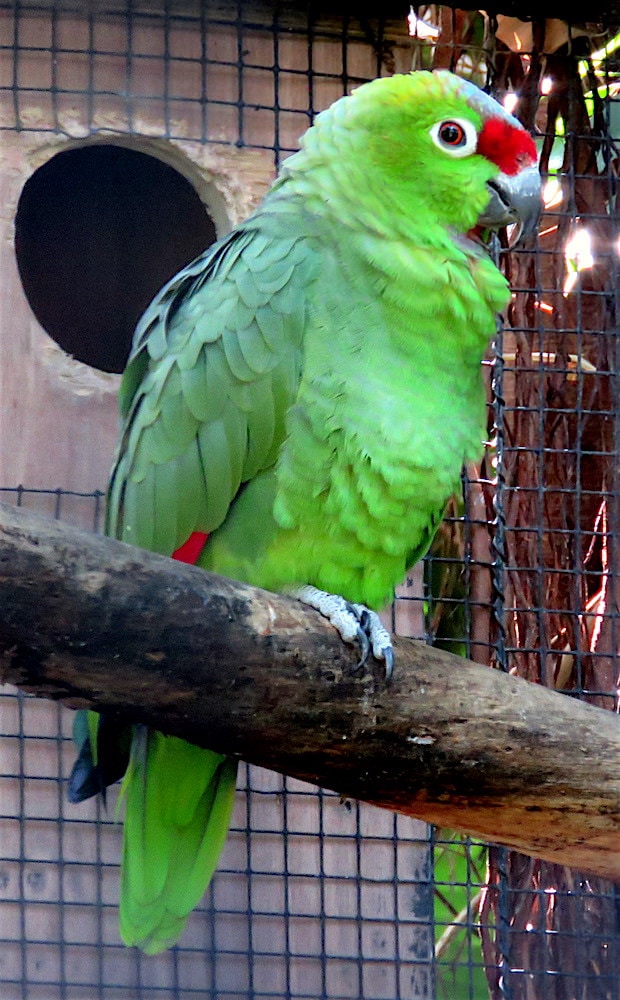
Diademed Amazon
South America
Lowland Forest, Areas With Scattered Trees, Plantations, Humid Forest Canopy, Woodland Margins
- Forehead, lores, and cere are red
- Base of the first five secondaries are red, creating a flash of color in flight
- Feathers are margined with contrasting colors, creating a scalloped effect
Fruits, Nuts
About Diademed amazon
The Diademed Amazon, scientifically known as Amazona diadema, is a species of parrot found exclusively in the Amazon basin of north-western Brazil. Historically, it was sometimes classified as a subspecies of the widely distributed Red-lored Amazon (Amazona autumnalis), but its distinct characteristics, though subtle, have led to its recognition as a separate species. Molecular studies may further refine its taxonomic placement.
Description and Habitat
This parrot typically measures around 33 centimeters (13 inches) in length. Its plumage is predominantly green, with noticeable red and black accents. Many of its feathers are edged with contrasting colors, giving the bird a finely scalloped appearance. Distinctive red coloration marks the forehead, lores, and cere, while the primary wing feathers are dark, and the secondaries are bluish-green with red bases that create a striking flash during flight. The tail is green, tipped with yellowish-green and red at the base. The Diademed Amazon possesses a dark grey beak, white bare skin around its orange iris, and pale grey legs and feet.
Its natural habitat includes various lowland forest ecosystems, as well as areas interspersed with scattered trees and agricultural plantations. Within its range, it is commonly observed in the canopy of humid forests and along woodland margins, such as in the Adolfo Ducke Forest Reserve near Manaus. It is also present, though less common, in protected areas like Jaú National Park.
Ecology and Conservation
The diet of the Diademed Amazon consists primarily of fruits and nuts. Its behavior is presumed to be similar to that of the Red-lored Amazon, involving communal roosting outside the breeding season and daily flights to feeding grounds. Birds forage in the canopy, where their green plumage provides effective camouflage.
The species faces significant threats from habitat loss, as the forests it inhabits are cleared for cattle ranching and soybean cultivation. Additionally, some individuals are captured for the domestic pet trade. Despite these pressures, the International Union for Conservation of Nature (IUCN) currently assesses the Diademed Amazon's conservation status as 'least concern' due to its limited but present population.
Source: Wikipedia ↗
Frequently Asked Questions
What is the scientific name of the Diademed Amazon?
The scientific name of the Diademed Amazon is Amazona diadema. It was previously considered a subspecies of Amazona autumnalis, the Red-lored Amazon.
Where is the Diademed Amazon found?
The Diademed Amazon is endemic to the Amazon basin in northern Brazil, specifically in the state of Amazonas. Its range is restricted to the lower Rio Negro and upper Amazon River areas.
What does the Diademed Amazon eat?
The Diademed Amazon feeds mostly on fruits and nuts. Its foraging behavior is likely similar to the Red-lored Amazon, where they search for food in the forest canopy.
What is the conservation status of the Diademed Amazon?
The International Union for Conservation of Nature (IUCN) has assessed the Diademed Amazon's conservation status as 'least concern'. Despite this, the species faces threats from habitat loss and trapping.
Related Parrot species

Kea
The kea, a large parrot endemic to New Zealand's South Island, is distinguished by its olive-green plumage, orange underwings, and a distinctive large, curved beak. Known for exceptional intelligence and curiosity, they inhabit both forested and alpine regions and have a varied omnivorous diet that includes carrion. Historically persecuted by sheep farmers, the kea is now a protected species.
Coconut lorikeet
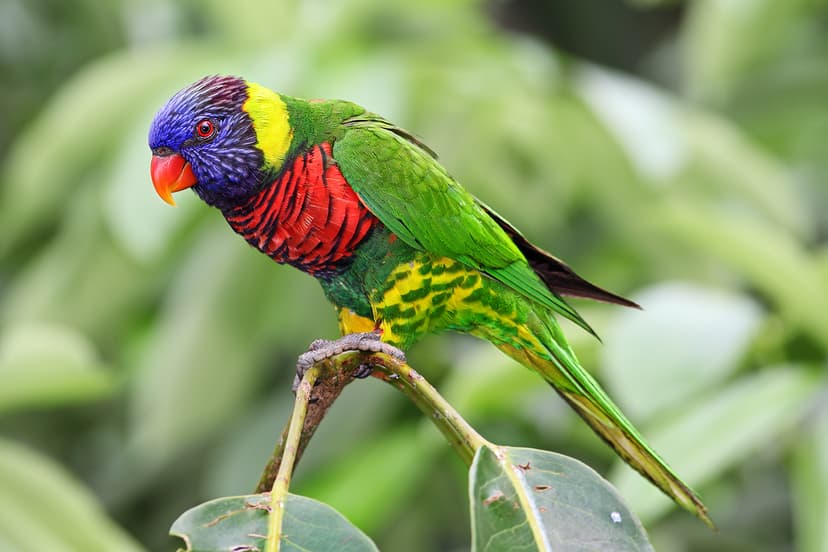
The coconut lorikeet is a vibrant parrot species primarily found in Melanesia and nearby regions, including New Guinea and the Solomon Islands. It is distinguished by its striking plumage, featuring a blue head, yellow collar, green upperparts, and a red breast, often with blue-black barring. This species plays a vital ecological role by feeding on nectar and pollen, utilizing a specialized brush-tipped tongue.

Black-cheeked lovebird
The black-cheeked lovebird is a small parrot species native to southwest Zambia, characterized by its predominantly green plumage, brown head, red beak, and distinctive white eyerings. It inhabits deciduous woodlands where permanent water sources are available and faces vulnerability due to habitat loss and desiccation of water bodies. These birds are known for their loud, piercing shrieks and can gather in large flocks, particularly during the dry season.