
Galah
Eolophus roseicapilla·Cacatuidae·35·270–350
The Galah is a distinctive Australian cockatoo, easily recognized by its vibrant pink and grey plumage. It is one of the most common and widespread bird species across mainland Australia, thriving in a variety of habitats from open country to metropolitan areas. The species is notable for its social nature, tendency to hybridize, and its unique linguistic and cultural associations within Australia.
Key Facts
- ›The Galah, also known as the pink and grey cockatoo, is the sole member of the genus Eolophus.
- ›It is found throughout Australia, absent only from the driest regions and the far north of Cape York Peninsula.
- ›Galahs are highly social birds, often observed in flocks ranging from 10 to 1,000 individuals.
- ›Adult males have dark brown irises, while females have MID-brown or red irises.
- ›In captivity, Galahs can live up to 72 years with proper care, though wild lifespans are significantly shorter.
- ›The term 'galah' is also used as Australian slang for a foolish or idiotic person.

Pink and Grey Cockatoo, Galah Cockatoo, Rose-Breasted Cockatoo
Australia
Open Habitats With Scattered Trees, Metropolitan Areas, Modified and Unmodified Habitats, Inland Areas, Coastal Regions, Arid Zones With Water Points
Pink Face and Breast, Light Pink Mobile Crest, Bone-Coloured Beak, Carunculated Eye Ring Skin
Seeds, Leaves, Bark
Affectionate, Friendly, Playful, Social, Intelligent, Noisy
Can Learn To Talk, Can Mimic Other Sounds, Noisy
Tree Cavities
About Galah
The Galah
The Galah (Eolophus roseicapilla), also known as the pink and grey cockatoo, is a highly recognizable species native to Australia and the sole member of the genus Eolophus. Its distinctive plumage, featuring a vibrant pink face and breast contrasting with pale silver-grey upperparts and a matching crest, makes it easily identifiable. The Galah is one of Australia's most abundant and widespread bird species, demonstrating remarkable adaptability to a variety of modified and unmodified habitats, including open country, metropolitan areas, and arid zones benefiting from human-made water sources.
Description and Identification
Adult Galahs typically measure around 35 cm in length and weigh between 270 and 350 grams. A key distinguishing feature between sexes lies in their eye color: males possess very dark brown to black irises, while females have mid-brown or red irises. Juveniles are generally duller in coloration, with a greyish breast, crown, and crest, and brown irises surrounded by whitish, non-carunculated eye rings. The species is characterized by a bone-colored beak and grey legs.
Distribution and Habitat
The Galah's range covers nearly all of mainland Australia, with the exception of the driest interior regions and the extreme northern tip of the Cape York Peninsula. It has been introduced to Tasmania, where it is now common, and more recently to New Zealand. While historically more prevalent in inland areas, the Galah has rapidly expanded its presence into coastal regions. European settlement, particularly the clearing of forests and the provision of water in arid areas, has significantly benefited this species, contributing to its widespread success.
Behavior and Diet
These are highly social birds, frequently observed in large flocks that can number from a few individuals to over a thousand. These flocks may be composed solely of Galahs or be mixed with other cockatoo species, with which they readily hybridize. Galahs primarily forage on the ground in open, grassy areas, feeding on seeds. They are also known to consume leaves and bark from trees, and large flocks can cause significant defoliation.
Breeding and Lifespan
Galahs nest in tree cavities, laying clutches of two to five white eggs. Both the male and female share incubation duties, which last approximately 25 days. The chicks fledge, or leave the nest, about 49 days after hatching. In captivity, Galahs have been documented to live exceptionally long lives, with some individuals reaching up to 72 years when provided with a high-quality diet and adequate social engagement. In contrast, their lifespan in the wild is considerably shorter, often less than 20 years, due to threats such as predation, traffic, and human activities.
Aviculture and Cultural Significance
The Galah is a very common and popular companion parrot worldwide, known for its potential to become an affectionate and friendly pet that can learn to talk and mimic sounds. While they can be noisy, they are generally considered quieter than some other cockatoo species. The species has also entered Australian vernacular, with 'galah' used as slang for a foolish or idiotic person, and sometimes to describe gaudy attire. Historically, the Galah has also been consumed by humans, with recipes appearing in Australian newspapers in the early 20th century.
Source: Wikipedia ↗
Frequently Asked Questions
What are the different common names for the Galah?
The Galah is also commonly known as the pink and grey cockatoo, galah cockatoo, or rose-breasted cockatoo. Its scientific name is Eolophus roseicapilla.
Where does the Galah naturally live?
The Galah is endemic to mainland Australia and is found throughout the continent, except for the driest areas and the far north of Cape York Peninsula. It has also been introduced to Tasmania and New Zealand.
What does a Galah look like?
Galahs are about 35 cm long and have pale silver to grey backs, pink faces and breasts, and a light pink mobile crest. They have bone-colored beaks and grey legs. Adult males have dark brown irises, while females have mid-brown or red irises.
What is the typical diet of a Galah?
Galahs primarily feed on seeds gathered on the ground, foraging mainly in the morning and late afternoon. They may also strip leaves and bark from trees.
How long do Galahs live?
In captivity, with a good diet, Galahs can live up to 72 years. In their natural habitat, they are unlikely to live past 20 years due to predators, traffic, and human activities.
Are Galahs good pets?
Galahs are common as companion parrots and can be affectionate and friendly when tamed. However, they are noisy and require significant social interaction and exercise to thrive in captivity.
Why is 'galah' used as slang?
The term 'galah' is Australian slang synonymous with 'fool,' 'clown,' or 'idiot,' possibly due to the bird's distinctive and sometimes comical appearance or behavior. It can also refer to gaudy dress.
Related Parrot species
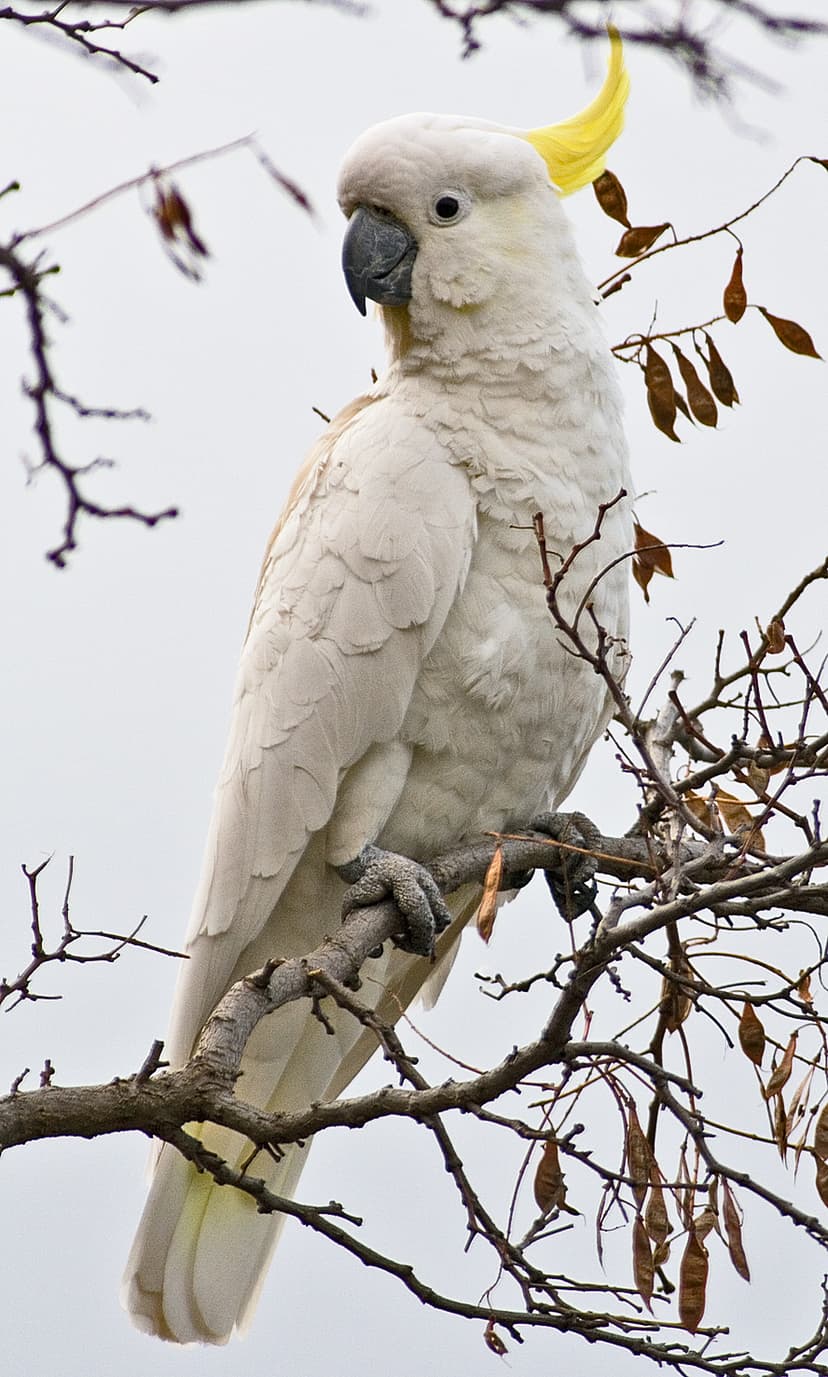
Cacatuidae
Cacatuidae, commonly known as cockatoos, are a family of parrots native to Australasia, characterized by their distinctive erectile crests and curved bills. While generally less colorful than other parrots, often displaying white, grey, or black plumage with colorful accents, they are typically larger and possess a striking appearance. Cockatoos are known for their social nature, monogamous breeding habits, and preference for nesting in tree hollows, feeding on a diet of seeds, tubers, fruits, and insects.
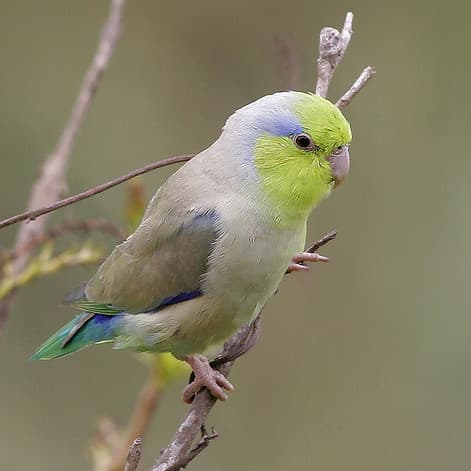
Pacific parrotlet
The Pacific parrotlet, scientifically known as Forpus coelestis, is a small parrot originating from South America, specifically western Ecuador and northwestern Peru. These birds are distinguished by their small size, often referred to as "pocket parrots," and their often feisty and curious personalities, despite their diminutive stature.

Gang-gang cockatoo
The gang-gang cockatoo is a distinctive parrot native to the cooler, wetter forests and woodlands of southeastern Australia. It is the sole member of its genus, easily recognized by its unique "creaky gate" call and the male's striking red head and crest, contrasting with the female's grey plumage. This species plays a significant role in its ecosystem and is the faunal emblem of the Australian Capital Territory.