
Grey-breasted parakeet
The grey-breasted parakeet is an Endangered species of bird native to northeastern Brazil, with recent documentation in Bahia. It is a small, vibrantly colored parrot distinguished by its scaly grey breast, plum-red face, and green plumage with red and blue accents. Historically considered a subspecies, it is now recognized as a distinct species facing significant threats from habitat loss and illegal trapping.
Key Facts
- ›The grey-breasted parakeet measures between 20 to 23 cm (7.9 to 9.1 in) in length.
- ›Adults feature a brown crown, plum-red face, white ear coverts, and green upperparts with a red-brown rump.
- ›It forages for fruits and seeds in the forest canopy.
- ›Breeding in Ceará may include February and March, with nests found in tree and rock cavities, and nest boxes.
- ›The species' call is described as a piercing, fast, chattering 't'kreet-kreet-wik-kreet-krit'.
- ›Its conservation status is Endangered, with an estimated population of 400-600 mature individuals.
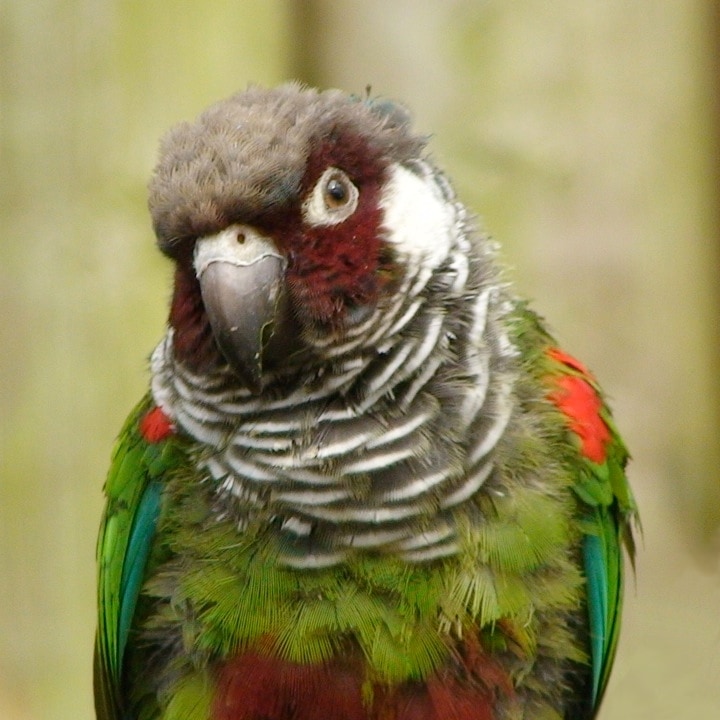
Maroon-Faced Parakeet
Brazil
Tall Humid Forest Patches Within Dry Caatinga, Granite- Or Sandstone-Dominated Areas, Mangroves, Restinga, Abandoned Coconut Plantations
Scaly Grey Chin, Throat, and Sides of Neck, Plum-Red Face, White Ear Coverts, Red Shoulder On Wings
Fruits, Seeds
Piercing, Fast, Chattering Call
Cavities In Trees, Cavities In Rocks, Nest Boxes
About Grey-breasted parakeet
The Grey-Breasted Parakeet
The grey-breasted parakeet (Pyrrhura griseipectus) is a small, Endangered bird species native to northeastern Brazil. For a period, it was considered a subspecies of the white-eared parakeet, but is now recognized as a distinct species.
Description and Appearance
This parakeet typically measures between 20 to 23 cm in length. Adults share the same appearance regardless of sex. They are characterized by a brown crown, a striking plum-red face, and white ear coverts. Their upperparts are predominantly green, accented by a red-brown rump. A distinctive feature is their chin, throat, and the sides of their neck, which are a scaly grey. The center of their belly is a rich red-brown, while the rest of their underparts are green. Their wings are primarily green, marked with a red shoulder and bluish flight feathers, and their tail is red-brown.
Distribution and Habitat
Historically, the grey-breasted parakeet's range included at least 15 locations across several Brazilian states. As of recent documentation, it is known from only a few sites in the state of Ceará, specifically Serra do Baturité, Quixadá, and Ibaretama. A 2022 discovery documented a flock in Bahia, approximately 800 km south of the Ceará sites. The Ceará population prefers tall humid forest enclaves within drier caatinga environments and areas with granite or sandstone geology, typically found at elevations above 500 meters. The birds found in Bahia inhabit coastal regions including mangroves, restinga, and abandoned coconut plantations, suggesting a notable ecological plasticity.
Behavior and Diet
The grey-breasted parakeet is observed foraging in the forest canopy for its diet of fruits and seeds. There is no known migratory pattern for this species. Their vocalization is described as a piercing, fast, chattering call, often transcribed as "t'kreet-kreet-wik-kreet-krit."
Breeding and Reproduction
While the full breeding season is not precisely known, in Ceará it is understood to include February and March. They are known to nest in natural cavities within trees and rocks. Conservation efforts have also led to the successful use of erected nest boxes. Clutch sizes can be as large as seven eggs, though specific details regarding the incubation period, time to fledging, and parental care are not extensively documented.
Conservation Status and Threats
The grey-breasted parakeet is currently classified as Endangered by the IUCN, a revision from its previous Critically Endangered status. Its population is estimated to be between 400 and 600 mature individuals, occupying very small areas. Intensive conservation actions, including the provision of nest boxes, are believed to be contributing to population increases at known sites. Significant threats include the conversion of its forest habitat for agriculture, particularly coffee farming, and the ongoing issue of illegal trapping for the pet trade. The discovery of the species in new habitats in Bahia suggests a broader historical distribution and potential adaptability to different environments.
Source: Wikipedia ↗
Frequently Asked Questions
What is the scientific name of the grey-breasted parakeet?
The scientific name of the grey-breasted parakeet is Pyrrhura griseipectus. It was previously considered a subspecies of Pyrrhura leucotis.
Where are grey-breasted parakeets found?
Grey-breasted parakeets are primarily found in the Brazilian states of Ceará and Bahia. In Ceará, they inhabit humid forest patches within dry caatinga and granite/sandstone areas, typically above 500 meters. The Bahia population has been observed near the coast in mangroves, restinga, and abandoned coconut plantations.
What does a grey-breasted parakeet look like?
Adults are 20 to 23 cm long with a brown crown, plum-red face, and white ear coverts. Their upperparts are mostly green with a red-brown rump, and their chin and throat are scaly grey. They have a red-brown belly and tail, with green underparts and a red shoulder with bluish flight feathers on their wings.
What is the diet of the grey-breasted parakeet?
The grey-breasted parakeet feeds on fruits and seeds. They forage for these food sources within the forest canopy.
What is the conservation status of the grey-breasted parakeet?
The grey-breasted parakeet is listed as Endangered by the IUCN. This status was revised from Critically Endangered in 2017 due to its small population size and limited range.
How does the grey-breasted parakeet breed?
The breeding season in Ceará is thought to include February and March. They nest in cavities found in trees and rocks, and conservation projects have also provided nest boxes. Clutch sizes can be up to seven eggs, but details on incubation and parental care are not fully known.
What are the threats facing the grey-breasted parakeet?
Major threats include the conversion of its forest habitat to agriculture, particularly coffee farming, and illegal trapping for the pet trade. The lack of natural nesting cavities is also a concern, though nest boxes have helped mitigate this.
Related Parrot species
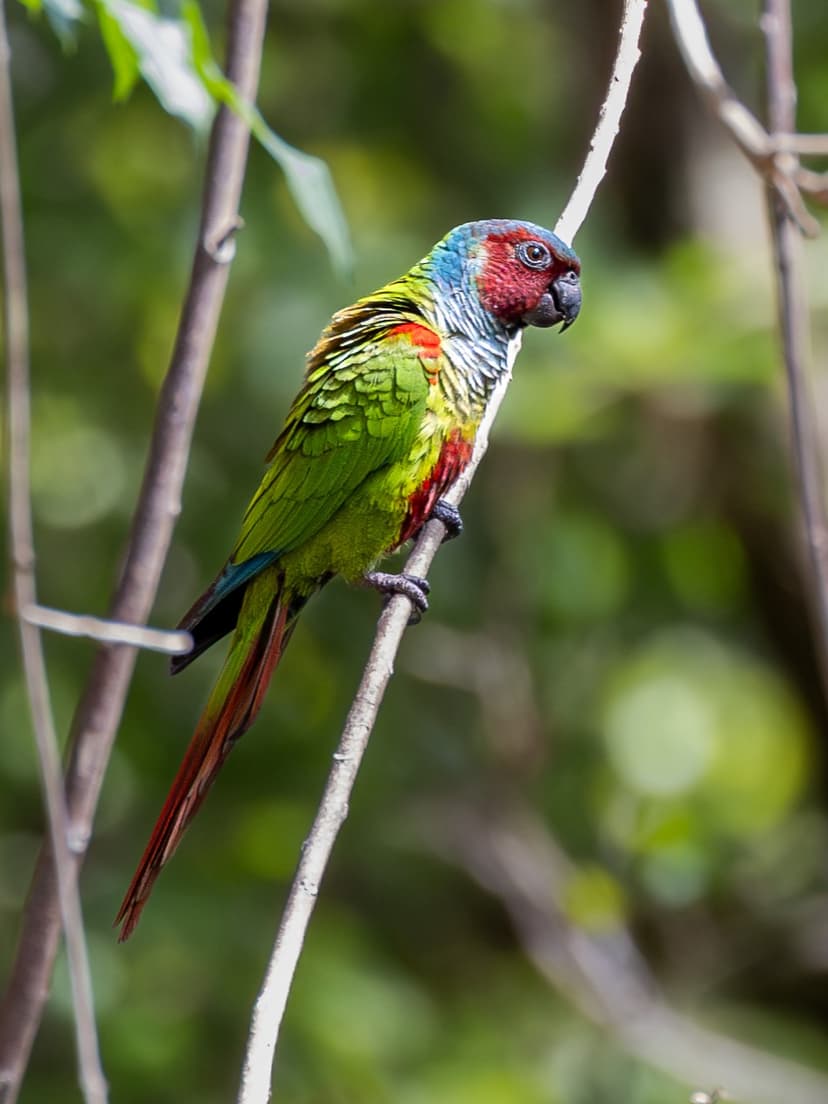
Pfrimer's parakeet
Pfrimer's parakeet, also known as Pfrimer's conure or maroon-faced conure, is a non-migratory parrot species endemic to the Caatinga forest of Brazil's Goiás and Tocantins regions. It is distinguished by its brown and red face, blue crown, and maroon tail, and is currently classified as endangered due to significant habitat loss from deforestation for agriculture.
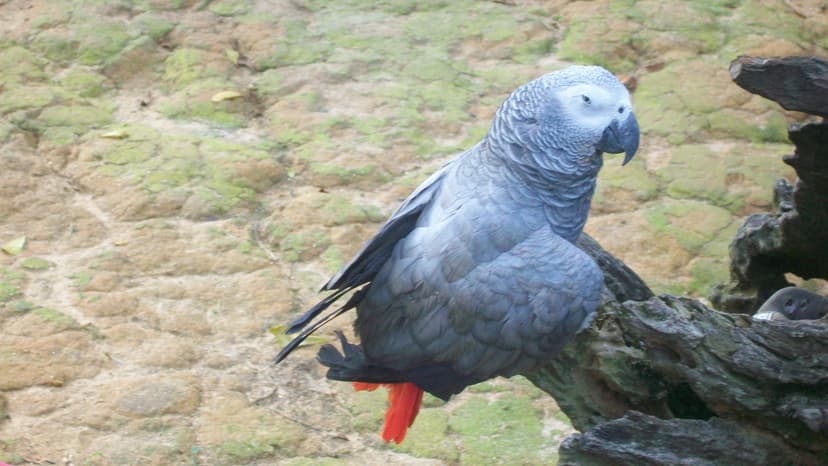
Grey parrot
The grey parrot (Psittacus erithacus), also known as the Congo grey parrot, is an African parrot recognized for its exceptional intelligence and remarkable ability to mimic human speech. Native to the equatorial rainforests and savannas of Africa, this predominantly grey bird with a red tail is highly sought after as a companion animal, though its wild populations are facing significant declines due to habitat loss and the pet trade.
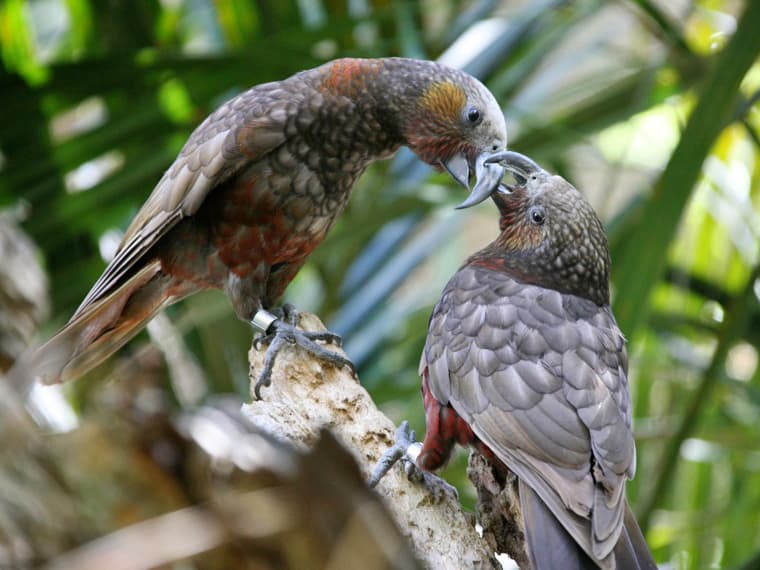
New Zealand kākā
The New Zealand kākā (Nestor meridionalis) is a large, endangered parrot native to the forests of New Zealand. Known for its distinctive brown and green plumage with scarlet flashes, it is an arboreal species that plays a vital role in its ecosystem through its varied diet, which includes fruits, seeds, nectar, and sap. Its conservation is a priority due to significant population declines caused by habitat loss and introduced predators.