
Madeira parakeet
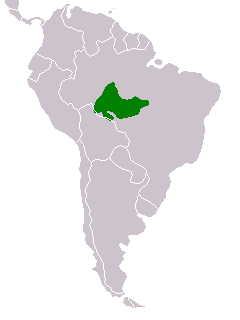
The Madeira parakeet, also known as the Madeira conure, is a species of parrot native to the eastern and central Amazon basin in Brazil and Bolivia. It is distinctive for its white ear coverts, cream upper breast with brown feather shafts, and a yellow eye ring. This species is currently classified as Least Concern, though its population is slowly decreasing due to habitat loss.
Key Facts
- ›Found in the eastern and central Amazon basin, south of the Amazon River.
- ›Prefers Várzea forests, particularly areas with bamboo along waterways.
- ›Characterized by white ear coverts, a cream upper breast, and a yellow eye ring.
- ›The species' conservation status was upgraded from Vulnerable to Least Concern in 2021.
- ›Habitat is threatened by land conversion for housing and agriculture.
Madeira Conure
Brazil, Bolivia
VáRzea Forests, Forest Clearings, Areas With Bamboo Along Waterways
White Ear Coverts, Yellow Eye Ring
About Madeira parakeet
The Madeira parakeet, scientifically known as Pyrrhura snethlageae and also referred to as the Madeira conure, is a species of parrot found in the Amazon basin of Brazil and Bolivia. This bird primarily inhabits várzea forests, which are seasonally flooded woodlands, and shows a preference for areas featuring bamboo growth along waterways. It also thrives in clearings within dense forest environments.
Description
Physically, the Madeira parakeet is recognized by its white ear coverts and a distinct yellow eye ring. Its upper breast is typically cream-colored with brown feather shafts, transitioning to a lower breast that is yellow with green feather shafts. The bill of the species is brown and grey.
Conservation Status
Historically, the Madeira parakeet was classified as Vulnerable due to a low population. However, its conservation status was re-evaluated and updated to Least Concern in 2021, attributed to its large inhabited area. Despite this improved classification, the population of the Madeira parakeet is experiencing a slow, steady decline. The species faces significant threats from habitat loss, as the land it occupies is frequently repurposed for housing and agricultural use.
Source: Wikipedia ↗
Frequently Asked Questions
What are the main regions where the Madeira parakeet is found?
The Madeira parakeet inhabits the eastern and central Amazon basin, specifically south of the Amazon River. Its range extends across parts of Brazil and Bolivia.
What kind of forests does the Madeira parakeet prefer?
This species is found in várzea forests, which are seasonally flooded forests. It particularly enjoys habitats that include bamboo along waterways and clearings within dense forests.
What are the distinctive physical features of the Madeira parakeet?
Madeira parakeets are identifiable by their white ear coverts and a yellow eye ring. They also have a cream-colored upper breast with brown feather shafts and a lower breast that is yellow with green feather shafts.
What is the current conservation status of the Madeira parakeet?
As of 2021, the Madeira parakeet is classified as Least Concern by conservation organizations. Previously, it was considered Vulnerable due to a low population.
What threats does the Madeira parakeet face?
The primary threat to the Madeira parakeet is habitat loss. Its natural environments are at risk as the land is frequently converted for use as housing and farmland.
Related Parrot species

Dusky lory
The dusky lory (Pseudeos fuscata) is a species of parrot native to New Guinea and its offshore islands, known for its striking dark plumage contrasted with bright orange or yellow breast bands. It is a highly social and vocal bird, often observed in large flocks, and exhibits two distinct color morphs: red-orange and yellow. The dusky lory is primarily a nectarivore, adapting to a variety of forest habitats and remaining common across its range, though it faces threats from habitat loss and illegal trade.

Great-billed parrot
The great-billed parrot is a medium-sized, primarily green parrot distinguished by its exceptionally large red bill. Native to the forest and mangrove ecosystems of Southeast Asian islands, its diet consists mainly of fruits. It is currently assessed as Least Concern due to its widespread and locally common status.

Golden-shouldered parrot
The golden-shouldered parrot is a rare bird found in the southern Cape York Peninsula of Queensland, Australia. This species is distinguished by the adult male's yellow shoulder patch, black cap, and pale yellow frontal band. It is critically endangered due to habitat changes, which increase predation, and is the subject of significant conservation efforts.