
Mascarene grey parakeet
The Mascarene grey parakeet was an extinct species of parrot endemic to the Mascarene Islands of Mauritius and Réunion. Distinctive for its grey plumage and long tail, it was larger than most other Psittacula species, which are typically green. This species was unfortunately easy to hunt and considered a crop pest, leading to its extinction by the mid-18th century.
Key Facts
- ›Classified as extinct, it was native to Mauritius and Réunion.
- ›Distinguished by its grey coloration and long tail, unlike the predominantly green Psittacula genus.
- ›Easily hunted due to its tendency to call out when one of its own was captured, attracting the flock.
- ›Considered a crop pest, contributing to its extensive hunting.
- ›Vanished from Réunion by the 1730s and from Mauritius by the 1760s.
- ›Subfossil remains indicate a beak larger and broader than that of the echo parakeet.

Mauritius Grey Parrot, Thirioux's Grey Parrot
Africa, Indian Ocean Islands
Forests
Grey Plumage, Long Tail, Broader Beak Than Sympatric Echo Parakeet
Fruits, Wild Seeds
Tame, Easy To Hunt
Called Out To Summon Flock
About Mascarene grey parakeet
The Mascarene grey parakeet, scientifically known as Psittacula bensoni, was a species of parrot that once inhabited the Mascarene Islands of Mauritius and Réunion in the western Indian Ocean. It is now recognized as an extinct species, disappearing from the wild by the mid-18th century. Its classification places it within the tribe Psittaculini, a group of parrots found on these islands.
Taxonomy and Discovery
Subfossil bones discovered on Mauritius in the early 20th century by Louis Etienne Thirioux were initially described in 1973 by Daniel T. Holyoak. These remains were thought to be from a smaller relative of the broad-billed parrot and were provisionally placed in the genus Lophopsittacus, named Lophopsittacus bensoni in honor of ornithologist Constantine W. Benson. Later research, particularly by Julian P. Hume, reclassified the species into the genus Psittacula, due to its morphological similarities to species like the Alexandrine parakeet and its distinctiveness from Lophopsittacus. The population on Réunion, though not confirmed by subfossil finds there, is believed to have been conspecific with the Mauritian population.
Description and Characteristics
Contemporary accounts and subfossil evidence describe the Mascarene grey parakeet as a grey-plumaged bird with a long tail, distinguishing it from the typically green members of the Psittacula genus. Its beak was noted to be relatively large and broad compared to sympatric species like the echo parakeet. While precise measurements are derived from fragmented remains, subfossil analysis indicates it was smaller than the broad-billed parrot and Rodrigues parrot but similar in size to the Mascarene parrot.
Behavior, Ecology, and Extinction
The Mascarene grey parakeet was known for its tame nature and was easily hunted. Historical accounts, such as that from a 1602 voyage, detail how capturing one individual would cause its flock to gather, making them vulnerable to capture by hand or with simple tools. They were also considered crop pests, damaging cereals and fruits, which likely contributed to their persecution. The species inhabited forest environments and may have fed on fruits from palms and wild seeds. Deforestation, driven by human settlement and agricultural practices, severely impacted their habitat. By the 1730s, the species had vanished from Réunion, and by the 1760s, it was no longer found on Mauritius, succumbing to a combination of hunting pressure and habitat destruction.
Source: Wikipedia ↗
Frequently Asked Questions
What is the scientific name of the Mascarene grey parakeet?
The scientific name of the Mascarene grey parakeet is Psittacula bensoni. It was previously classified under the genus Lophopsittacus as Lophopsittacus bensoni before being reclassified.
Where did the Mascarene grey parakeet live?
This species was endemic to the Mascarene Islands, specifically the islands of Mauritius and Réunion in the western Indian Ocean.
What made the Mascarene grey parakeet easy to hunt?
The Mascarene grey parakeet was described as being very tame and easy to hunt. A notable hunting method involved capturing one individual, which would then call out, summoning its entire flock, making them vulnerable to capture.
Why did the Mascarene grey parakeet go extinct?
The extinction of the Mascarene grey parakeet was attributed to a combination of factors, including extensive hunting due to its tameness and perceived status as a crop pest, as well as widespread deforestation of its habitat.
What did the Mascarene grey parakeet look like?
Contemporary accounts describe the Mascarene grey parakeet as a grey parrot with a long tail. It was larger than most other species in the Psittacula genus, which are typically green.
Related Parrot species

Carolina parakeet
The Carolina parakeet (Conuropsis carolinensis) was the only parrot species indigenous to the eastern and midwestern United States, characterized by its vibrant green plumage, yellow head, and orange face. This distinctive neotropical parrot inhabited old-growth forests along rivers and swamps, feeding on seeds, fruits, and buds. Sadly, due to habitat destruction, hunting, and potentially disease, the Carolina parakeet became extinct in the early 20th century, with the last confirmed wild sighting in 1910 and the last captive bird dying in 1918.
Cuban macaw
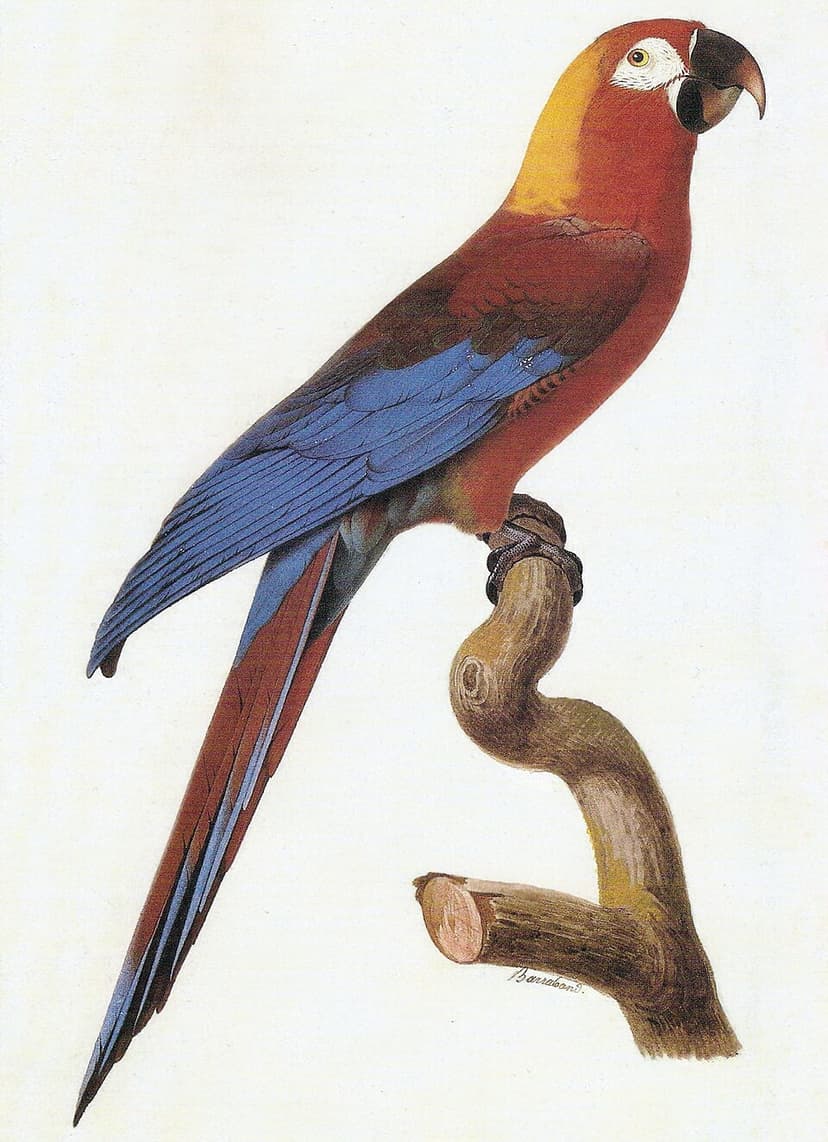
The Cuban macaw (Ara tricolor) was a species of macaw native to Cuba and Isla de la Juventud, becoming extinct in the late 19th century. It was one of the smallest macaws, characterized by a vibrant plumage of red, orange, yellow, green, brown, and blue. Its demise was attributed to hunting, habitat destruction, and possibly hurricanes, despite limited knowledge of its behavior.
Paradise parrot
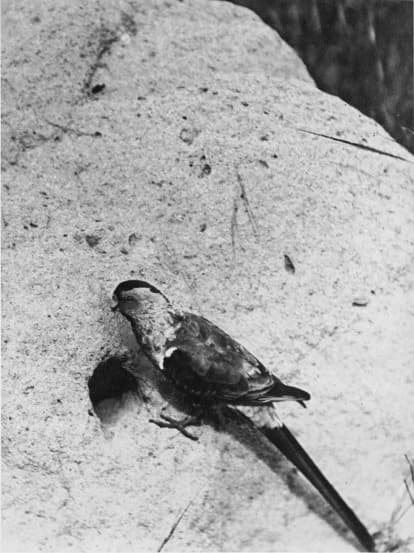
The paradise parrot was an exceptionally colorful, medium-sized parrot native to the grassy woodlands along the Queensland and New South Wales border in eastern Australia. Known for its striking plumage of turquoise, aqua, scarlet, black, and brown, and an unusually long tail, it inhabited areas that were once moderately common for the species. Tragically, it became extinct in 1927, with its decline attributed to various factors including habitat loss and overgrazing.