
Mexican parrotlet
The Mexican parrotlet, also known as the turquoise-rumped parrotlet, is a small parrot species found in western Mexico. It is distinguished by its social behavior, often congregating in flocks, and its diet consisting primarily of seeds, berries, and figs. This species faces conservation challenges due to illegal trapping and habitat loss.
Key Facts
- ›Endemic to western Mexico, ranging from southern Sonora to Colima.
- ›Inhabits subtropical/tropical dry scrublands, deciduous forests, and open grasslands.
- ›Typically breeds between may and July, laying clutches of up to 3 eggs.
- ›Chicks fledge 4-5 weeks after hatching.
- ›Estimated to live over 20 years.
- ›Considered near Threatened by the IUCN Red List due to population decline.
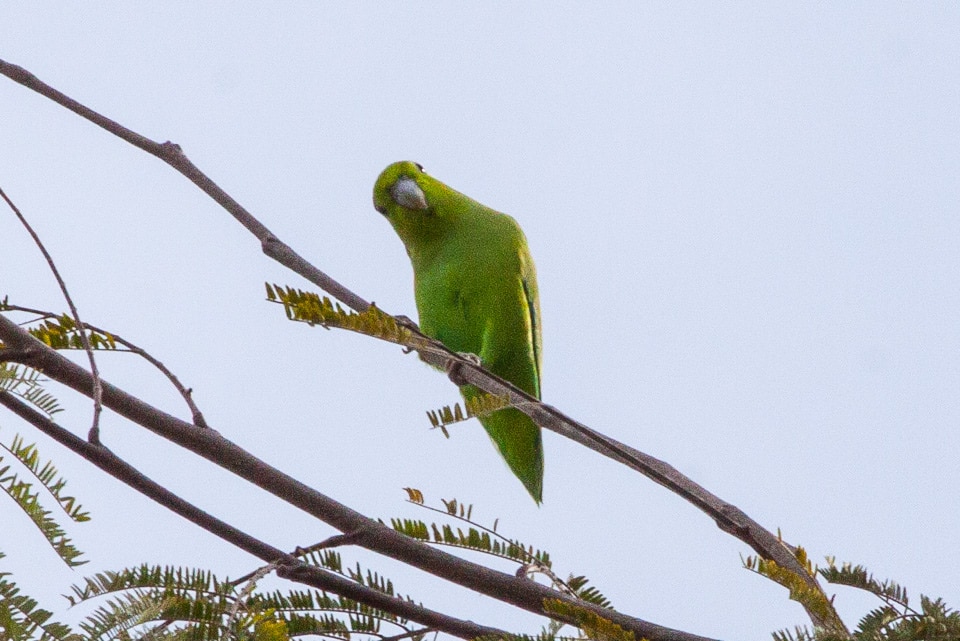
Turquoise-Rumped Parrotlet, Mexican Blue-Rumped Parrotlet
Mexico
Subtropical Or Tropical Dry Scrublands, Deciduous Forests, Open Grasslands With Scattered Trees, Heavily Degraded Former Forest, Plantations, Woodlands Along Watercourses
Turquoise Rump
Seeds, Grass Seeds, Berries, Ficus Fruits
Highly Social, Gregarious
Squeaky, Excited-Sounding Chirps, Occasional Squawks While Feeding
Tree Cavities, Cacti, Similar Structures
About Mexican parrotlet
The Mexican parrotlet (Forpus cyanopygius), also referred to as the turquoise-rumped parrotlet or Mexican blue-rumped parrotlet, is a small parrot species belonging to the family Psittacidae. It is the northernmost member of the genus Forpus and is endemic to western Mexico, with its range extending from southern Sonora to Colima.
Distribution and Habitat
Mexican parrotlets inhabit subtropical and tropical dry scrublands, deciduous forests, and open grasslands dotted with trees. They also frequent woodlands along watercourses and significantly degraded former forest areas. These birds generally do not venture above altitudes of 1,300 meters (4,300 ft) and are non-migratory, though they do wander within their range to follow food sources.
Description and Behavior
These birds are known for their highly social and gregarious nature, frequently congregating in flocks of 4 to 30 individuals, often comprising pairs and family units. When in flight, they form relatively tight formations and fly with speed. Their vocalizations include a variety of squeaky, excited-sounding chirps and occasional squawks, particularly when feeding. There are two recognized subspecies: Grayson's parrotlet (F. c. insularis) and F. c. cyanopygius.
Diet and Reproduction
The diet of the Mexican parrotlet primarily consists of seeds, grass seeds, berries, and ripe or half-ripe Ficus fruits. They forage both on the ground and in trees and shrubs. Breeding typically occurs between May and July. Females lay clutches of up to three small, white eggs, which are incubated for at least 19 days. Chicks usually fledge within 4 to 5 weeks after hatching. Mexican parrotlets commonly nest in tree cavities, cacti, or similar sheltered structures.
Conservation Status
According to the IUCN Red List, the Mexican parrotlet is classified as Near Threatened. While the population is estimated to be 50,000 or greater, it is experiencing a decline. This reduction is attributed to a combination of illegal hunting and trapping for the pet trade, with an estimated 8,000 individuals captured annually, and ongoing habitat loss. Despite these threats, many areas within their range are already protected, and captive breeding programs contribute to the species' survival in aviculture, as wild capture and sale are illegal.
Lifespan
In both the wild and captivity, Mexican parrotlets can live for over 20 years.
Source: Wikipedia ↗
Frequently Asked Questions
What is the scientific name of the Mexican parrotlet?
The scientific name of the Mexican parrotlet is Forpus cyanopygius. This binomial nomenclature is used to classify the species within the scientific community.
Where are Mexican parrotlets found naturally?
Mexican parrotlets are endemic to western Mexico, with their natural range extending from southern Sonora to Colima. They are the northernmost species in the genus Forpus.
What kind of habitat do Mexican parrotlets prefer?
They inhabit subtropical or tropical dry scrublands, deciduous forests, and open grasslands with scattered trees. They also utilize woodlands along watercourses and heavily degraded former forest areas, generally not exceeding altitudes of 1,300 meters.
What is the conservation status of the Mexican parrotlet?
The Mexican parrotlet is listed as Near Threatened on the IUCN Red List. Its population is estimated to be 50,000 or greater but is experiencing a decreasing trend.
What are the main threats to Mexican parrotlets?
The primary threats to Mexican parrotlets are illegal hunting and trapping for the pet trade, and habitat loss. It is estimated that up to 8,000 individuals are illegally captured annually.
What do Mexican parrotlets eat?
Their diet consists mainly of seeds, grass seeds, berries, and Ficus (fig) fruits, which they consume whether ripe or half-ripe. They forage both on the ground and in trees and shrubs.
How do Mexican parrotlets behave socially?
Mexican parrotlets are highly social and gregarious, typically found in flocks of 4 to 30 individuals, often composed of pairs and family groups. They fly quickly in tight formations and communicate with squeaky, chirping sounds.
What is the breeding cycle of the Mexican parrotlet?
They usually breed between May and July, laying clutches of up to three small, white eggs. The incubation period is at least 19 days, and the chicks fledge approximately 4 to 5 weeks after hatching.
Related Parrot species

Meyer's parrot
Meyer's parrot, also known as the brown parrot, is a species of parrot native to sub-Saharan Africa. This small parrot is distinctive for its black plumage, turquoise belly, blue rump, and bright yellow markings on the wings and often the head. It inhabits various woodland types and is commonly bred for the pet trade due to its relatively quiet nature and ability to learn speech.
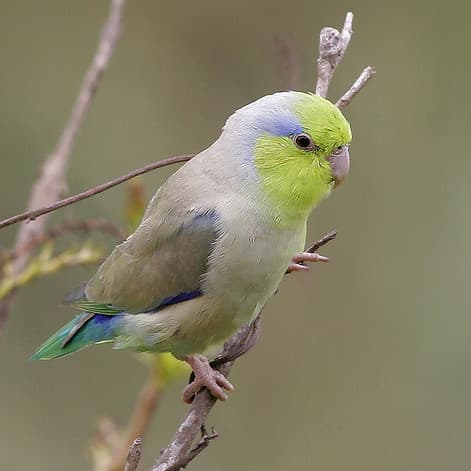
Pacific parrotlet
The Pacific parrotlet, scientifically known as Forpus coelestis, is a small parrot originating from South America, specifically western Ecuador and northwestern Peru. These birds are distinguished by their small size, often referred to as "pocket parrots," and their often feisty and curious personalities, despite their diminutive stature.
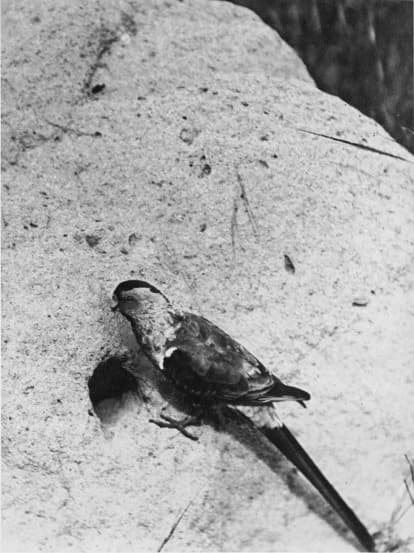
Paradise parrot
The paradise parrot was an exceptionally colorful, medium-sized parrot native to the grassy woodlands along the Queensland and New South Wales border in eastern Australia. Known for its striking plumage of turquoise, aqua, scarlet, black, and brown, and an unusually long tail, it inhabited areas that were once moderately common for the species. Tragically, it became extinct in 1927, with its decline attributed to various factors including habitat loss and overgrazing.