
Norfolk kākā
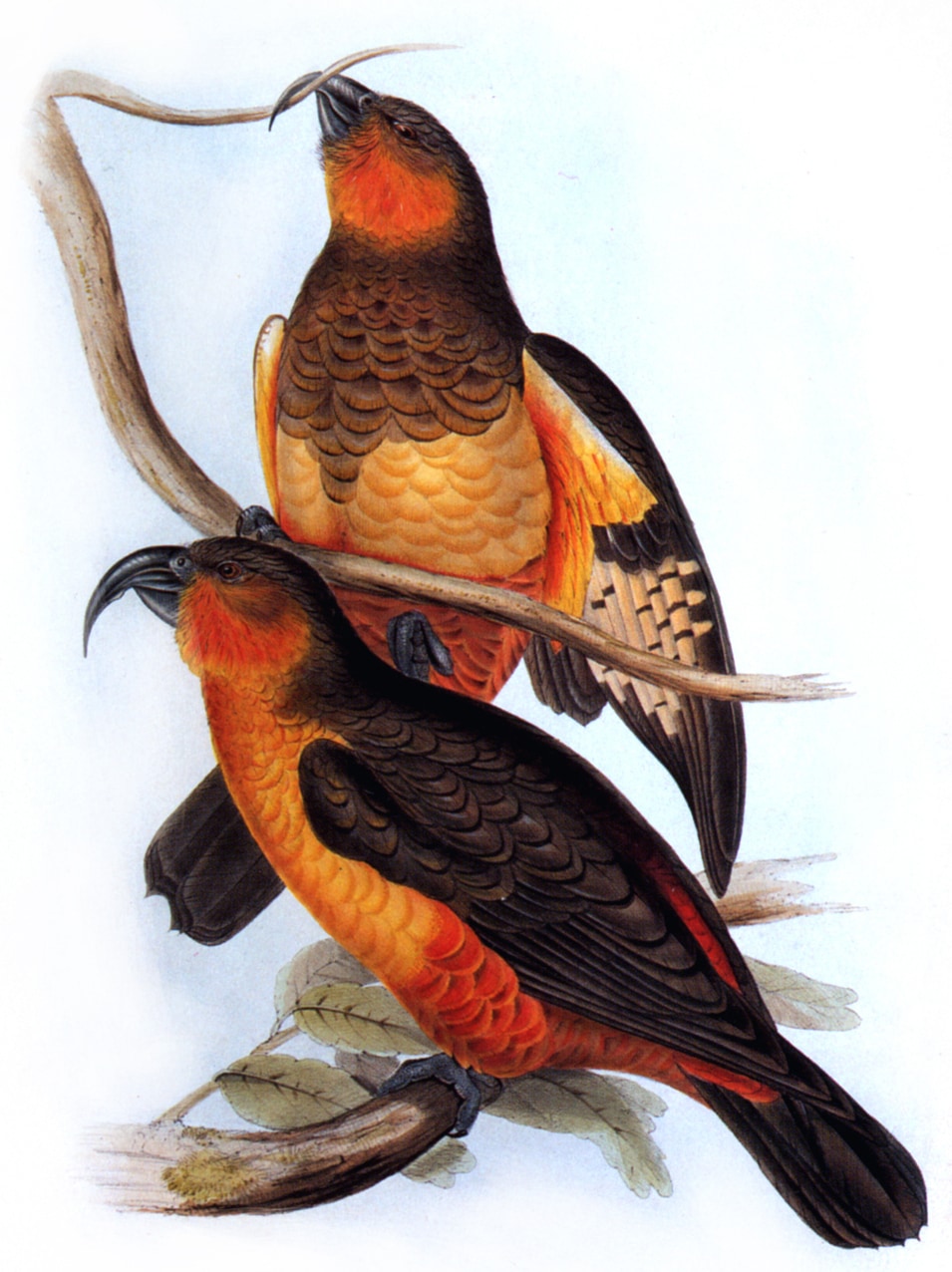
The Norfolk kākā was a large parrot species native to Norfolk Island and Phillip Island, characterized by its olive-brown upperparts and distinct reddish-orange cheeks and throat. It belonged to the same family as the New Zealand kākā and inhabited both rocky areas and treetops. Sadly, this species is now extinct, with its decline attributed to hunting for food and capture as pets, exacerbated by the establishment of penal colonies on the islands.
Key Facts
- ›The Norfolk kākā was approximately 38 cm long.
- ›Its plumage was predominantly olive-brown with reddish-orange cheeks and throat.
- ›It inhabited the rocks and treetops of Norfolk Island and Phillip Island.
- ›The species was hunted for food by early Polynesian settlers and later by European colonists.
- ›The last known Norfolk kākā died in captivity in London in 1851.
- ›It is related to the New Zealand kākā.
Norfolk Island, Phillip Island
Rocks, Treetops
Olive-Brown, Reddish-Orange, Straw-Coloured, Dark Orange
Prominent Beak
Flowering Shrubs, Trees
Hoarse, Quacking, Inharmonious Noise, Resembles Barking of A Dog
About Norfolk kākā
The Norfolk Kākā
The Norfolk kākā (Nestor productus) was a large parrot species that once inhabited Norfolk Island and its smaller neighbor, Phillip Island. Measuring approximately 38 cm in length, this bird was characterized by its predominantly olive-brown upperparts, striking reddish-orange cheeks and throat, a straw-coloured breast, and dark orange thighs, rump, and lower abdomen. It possessed a notably prominent beak and was a relative of the New Zealand kākā.
Ecology and Behavior
Little is definitively known about the Norfolk kākā's life history. It was observed to live both on the ground and in tall trees, feeding on flowering shrubs and trees. Its vocalizations were described as a harsh, quacking, and inharmonious noise, sometimes likened to the barking of a dog.
Extinction
The Norfolk kākā faced a tragic decline and eventual extinction. Early Polynesian inhabitants hunted the birds for food before their own departure from the island around the 1600s. Following European settlement in 1788, the species was further hunted for food and captured for the pet trade. The establishment of penal colonies on Norfolk Island from 1788 to 1814, and again from 1825 to 1854, placed immense pressure on the parrot's population. The species is believed to have become extinct in the wild during the second penal colony period. Ensign Abel D. W. Best's diary entries from 1838/1839 do not mention the kākā, despite his ornithological collecting efforts, suggesting its absence by that time. The last known individual in captivity died in London in 1851, signifying the end of the species.
Source: Wikipedia ↗
Frequently Asked Questions
What did the Norfolk kākā look like?
The Norfolk kākā was a large parrot, measuring about 38 cm in length. It had mostly olive-brown upperparts, contrasting with reddish-orange cheeks and throat, and a straw-coloured breast. Its thighs, rump, and lower abdomen were dark orange, and it possessed a prominent beak.
Where did the Norfolk kākā live?
This parrot species was found on Norfolk Island and the adjacent Phillip Island. It inhabited both the rocky terrain and the treetops of these islands.
What caused the Norfolk kākā to become extinct?
The Norfolk kākā faced extinction due to several factors. It was hunted for food by early Polynesian inhabitants and later by European settlers. The establishment and maintenance of penal colonies on the islands significantly impacted its population, likely leading to its disappearance in the wild in the early nineteenth century.
When did the Norfolk kākā go extinct?
The species likely became extinct in the wild in the early nineteenth century. The last known captive Norfolk kākā died in London in 1851, marking the final recorded existence of the species.
What sounds did the Norfolk kākā make?
The call of the Norfolk kākā was described as a "hoarse, quacking, inharmonious noise." It was also noted to sometimes resemble the barking of a dog.
Related Parrot species

Jandaya parakeet
The Jandaya parakeet, scientifically known as Aratinga jandaya, is a small Neotropical parrot native to the wooded habitats of northeastern Brazil. It is distinguished by its vibrant plumage, featuring a yellow head and neck, reddish-orange body, and green wings and tail. While common in aviculture, where it is often called a "jenday conure," the species is considered locally rare in the wild.
Green-thighed parrot
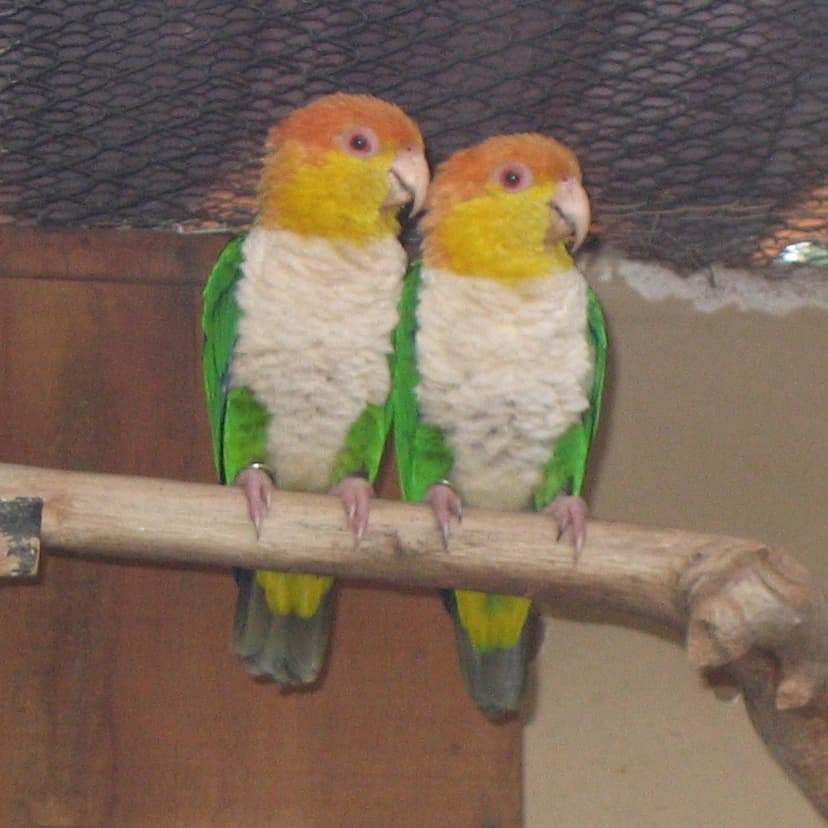
The white-bellied parrot, also known as the white-bellied caique, is a species of parrot found in the humid tropical forests of South America, including Bolivia, Brazil, Colombia, and Peru. It is characterized by its short, stout body, bright green rump, white belly often stained chestnut, and distinctive green thigh feathers, which give it one of its common names. While its diet includes fruits and flowers, much about its breeding behavior and movements remains unknown.

Aztec parakeet
The Aztec parakeet, also known as the olive-throated parakeet, is a species of bird found from Mexico to Costa Rica and in Jamaica. It is distinctive for its mainly dark green plumage with yellowish ear coverts and rump, and an olive-brown throat and breast. This species is known for its vocalizations, described as sharp, grating calls, and its adaptability to various woodland and forest habitats.