
Oceanic eclectus
The Oceanic eclectus (Eclectus infectus) was an extinct parrot species native to Tonga, Vanuatu, and potentially Fiji. It was closely related to the extant Moluccan eclectus but possessed proportionally smaller wings. This species likely went extinct around 3,000 years ago due to human settlement and associated factors.
Key Facts
- ›Extinct parrot species scientifically known as Eclectus infectus.
- ›Fossil remains found in Tonga and Vanuatu, with possible presence in Fiji.
- ›Went extinct approximately 3,000 years ago following human arrival.
- ›Believed to have become extinct due to human-caused factors such as habitat loss and introduced species.
- ›Closely related to the modern Moluccan eclectus (Eclectus roratus).
- ›Possessed proportionally smaller wings compared to its living relative.
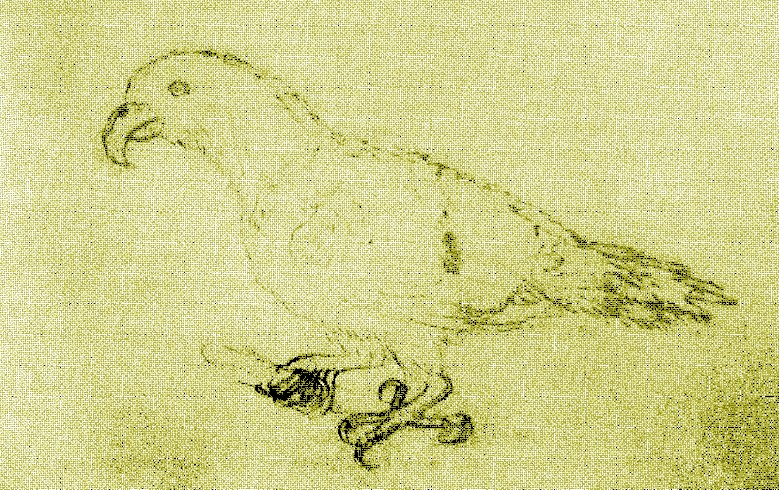
Oceanic Eclectus Parrot
Tonga, Vanuatu, Fiji
- Proportionally smaller wings compared to the Moluccan Eclectus.
About Oceanic eclectus
The Oceanic eclectus, scientifically classified as Eclectus infectus, is an extinct species of parrot that once inhabited the Pacific islands of Tonga, Vanuatu, and possibly Fiji. Its closest living relative is the Moluccan eclectus (E. roratus), though the Oceanic eclectus was distinguished by its proportionally smaller wings.
Fossil evidence of the Oceanic eclectus has been recovered from archaeological sites dating to the Late Pleistocene and Holocene epochs in Tonga and Vanuatu. The species is believed to have become extinct on Tonga approximately 3,000 years ago, coinciding with the period of early human settlement. The presumed causes for its extinction are human-related factors, including habitat alteration and the introduction of invasive species.
While the species likely disappeared from most of its range around 3,000 years ago, there is a possibility that it survived into more recent times in some areas. A sketch from Alessandro Malaspina's Pacific expedition in 1793 has been interpreted as potentially depicting an Oceanic eclectus, suggesting a possible late survival in the Vava'u islands of Tonga.
Source: Wikipedia ↗
Frequently Asked Questions
Where did the Oceanic eclectus live?
The Oceanic eclectus was found in the Pacific islands of Tonga and Vanuatu. It is also believed to have potentially occurred in Fiji.
When did the Oceanic eclectus go extinct?
This parrot species is estimated to have become extinct on Tonga around 3,000 years ago, shortly after the arrival of humans.
What caused the extinction of the Oceanic eclectus?
The extinction is presumed to be due to human-caused factors. These likely included habitat loss and the introduction of new species to the islands.
What is the closest living relative of the Oceanic eclectus?
The closest living relative of the Oceanic eclectus is the Moluccan eclectus (Eclectus roratus). However, the Oceanic eclectus had proportionally smaller wings.
Related Parrot species

Black-fronted parakeet
The black-fronted parakeet, also known as the Tahiti parakeet, was an extinct parrot species native to the Pacific island of Tahiti. Discovered during Captain Cook's voyages, this bird inhabited woodlands and was prized by the native Tahitian people for keeping as pets, despite not possessing highly valued red feathers for their handicrafts. Its extinction was likely caused by the introduction of invasive predators like cats and European rats.

Broad-billed parrot
The broad-billed parrot, also known as the raven parrot, was a large extinct parrot endemic to the Mascarene island of Mauritius. Distinguished by its unusually large beak and a prominent frontal crest, this species was described as having multiple colors, possibly including a blue head, and was thought to be a weak flier. It became extinct in the late 17th century due to habitat loss, introduced predators, and hunting.

Carolina parakeet
The Carolina parakeet (Conuropsis carolinensis) was the only parrot species indigenous to the eastern and midwestern United States, characterized by its vibrant green plumage, yellow head, and orange face. This distinctive neotropical parrot inhabited old-growth forests along rivers and swamps, feeding on seeds, fruits, and buds. Sadly, due to habitat destruction, hunting, and potentially disease, the Carolina parakeet became extinct in the early 20th century, with the last confirmed wild sighting in 1910 and the last captive bird dying in 1918.