
Pale-headed rosella
Platycercus adscitus·Psittaculidae·33·September to December (southern), February to June (northern)
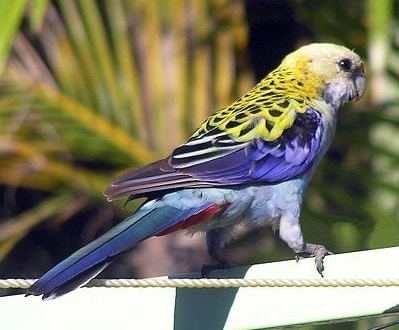
The pale-headed rosella is a moderately sized parrot native to northeastern Australia, characterized by its pale yellow head, white cheeks, scalloped black and gold back, and pale blue underparts. It inhabits open woodlands and feeds on seeds and fruits, nesting in tree hollows. This species readily adapts to aviculture and is a popular cagebird.
Key Facts
- ›Found in open woodlands of northeastern Australia.
- ›Distinctive pale yellow head, white cheeks, and scalloped black and gold back.
- ›Feeds on a diet of grass and tree seeds and fruits.
- ›Nests in hollows of large trees, typically over 1 meter deep.
- ›Readily adapts to captivity and is sold as a cagebird.
- ›Two subspecies are recognized: the nominate adscitus and palliceps.
Blue-Cheeked Rosella, Mealy Rosella, Moreton Bay Rosella, Blue Rosella, White-Cheeked Rosella
Australia
Open Woodland, Rural Landscape
Pale Yellow, White, Black, Gold, Pale Blue, Blue-Black, Green, Blood Red
Pale Yellow Head, Predominantly White Cheeks, Scalloped Black and Bright Yellow Back, Pale Blue Underparts
Grass Seeds, Tree Seeds, Fruits
Aggressive
Hollows of Large Trees, Tree Trunk Hollows Over 1 m Deep
About Pale-headed rosella
The pale-headed rosella (Platycercus adscitus), also known by various other common names including blue-cheeked rosella and mealy rosella, is a species of broad-tailed parrot native to northeastern Australia. It is recognized by its distinctive pale yellow head, predominantly white cheeks, scalloped black and gold back, and pale blue underparts. The tail is a combination of blue-black and green, with a blood-red vent.
Distribution and Habitat
This species is found in open woodlands and has adapted to human-modified rural landscapes, sometimes becoming a pest to orchards and cereal crops. The nominate subspecies, P. a. adscitus, ranges from the Cape York Peninsula south to Cardwell in central-northern Queensland. The subspecies P. a. palliceps, commonly called the blue-cheeked rosella, extends from Townsville and inland areas south into northeastern New South Wales.
Diet and Breeding
The pale-headed rosella's diet comprises grass and tree seeds, as well as fruits from various plants. They exhibit regional variation in their breeding season, with southern populations nesting from September to December and northern populations later, from February to June. Nests are typically located in deep hollows within large trees, sometimes over 30 meters above the ground or even underground. A clutch usually consists of five or six white eggs, although up to nine have been recorded.
In Aviculture
The pale-headed rosella is relatively hardy and straightforward to maintain in captivity, making it a popular cagebird. However, they can display aggressive tendencies, and it is recommended that they be housed separately from other birds.
Taxonomy and Relatives
Formally described by John Latham in 1790, the pale-headed rosella is now placed in the genus Platycercus. Two subspecies are recognized. Historically, it was thought to be most closely related to the eastern rosella of southeastern Australia, with hybrids occasionally recorded where their ranges overlap. However, more recent genetic studies suggest its closest relative is the northern rosella.
Source: Wikipedia ↗
Frequently Asked Questions
What are the main physical characteristics of the pale-headed rosella?
The pale-headed rosella is a moderate-size parrot, about 33 cm long. It features a pale yellow head, predominantly white cheeks, a scalloped black and gold back, and pale blue underparts. Its tail is blue-black and green, with a blood-red vent.
Where is the pale-headed rosella found naturally?
This parrot is native to northeastern Australia. The nominate subspecies ranges from the Cape York Peninsula south to Cardwell, while the southern subspecies extends from Townsville south into northeastern New South Wales.
What does the pale-headed rosella eat?
Its diet consists of grass and tree seeds, as well as various fruits. It is known to consume seeds from species like river red-gum, river she-oak, snow-in-summer, and rough cockleburr, and also favors the introduced Scotch thistle.
How does the pale-headed rosella reproduce?
The breeding season varies by region, occurring from September to December in the south and February to June in the north. They nest in tree hollows, laying a clutch of five to six white eggs, though up to nine have been recorded.
Is the pale-headed rosella suitable as a pet?
Yes, the pale-headed rosella adapts well to aviculture and is relatively hardy and easy to keep. However, it can be aggressive and is recommended to be kept separate from other birds in captivity.
Are there different types of pale-headed rosellas?
Two subspecies are recognized: the nominate adscitus, found in the Cape York Peninsula, and palliceps, also known as the blue-cheeked rosella, found in eastern Queensland. Some authorities consider it conspecific with the eastern rosella.
Related Parrot species
Arinae
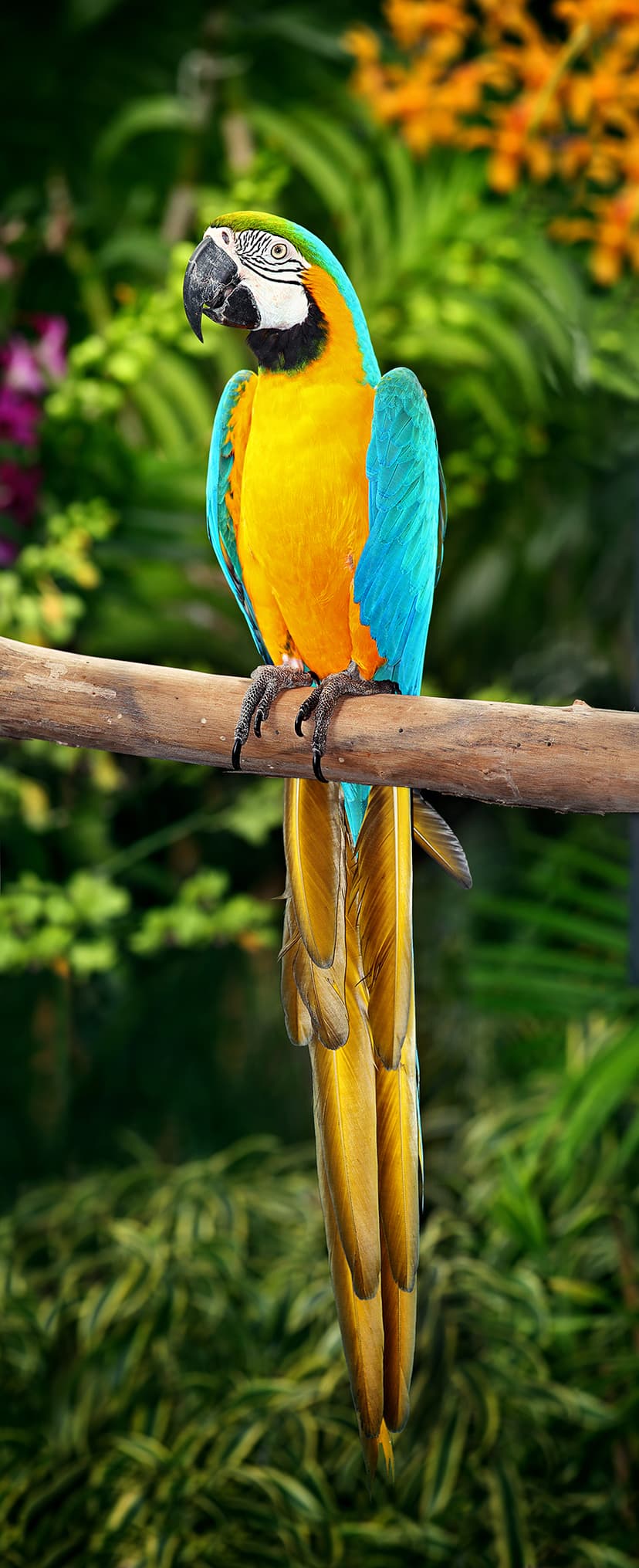
The Arinae, commonly known as neotropical parrots or New World parrots, encompass approximately 150 species found across South and Central America, Mexico, the Caribbean, and the southern United States. These parrots are distinguished by their diverse forms, including iconic macaws, conures, and amazons, and have a long history of interaction with Europeans since their discovery in the late 15th century.

Blossom-headed parakeet
The Blossom-headed parakeet is a vibrant parrot species native to Southeast Asia, characterized by its lime-green body and a distinctive pink or bluish-grey head. It is known for its social behavior, often seen in small flocks, and its fondness for fruits and blossoms. This species is also referred to as the rosy-headed parakeet and faces threats from habitat loss and the illegal cage-bird trade.

Mealy amazon
The mealy amazon, scientifically known as Amazona farinosa, is one of the largest parrots in the Amazona genus, predominantly found in tropical Central and South America. This species is distinguished by its primarily green plumage, often displaying a whitish tinge reminiscent of flour, and a distinctive bi-colored tail.