
Red-bellied parrot
The Red-bellied parrot (Poicephalus rufiventris) is a small, primarily green and grey African parrot, distinguished by the striking orange belly of the males, a trait visible even in chicks. It inhabits various parts of Africa and feeds on seeds, fruits, flowers, and nectar.
Key Facts
- ›A small African parrot, measuring approximately 23 cm in length.
- ›Males are characterized by a bright orange belly, while females have a greenish belly.
- ›The species is sexually dimorphic from a young age, with differences visible in chicks.
- ›Its diet consists of seeds, fruit kernels, flowers, nectar, and occasionally leaves and bark.
- ›Nests are typically found in tree cavities.
- ›Females incubate eggs for about 28 days, and chicks fledge around 63 days after hatching.

Senegal Red-Bellied Parrot
Africa
Woodlands, Savanna
Bright Orange Belly In Males, Red Irises
Seeds, Fruit Kernels, Flowers, Nectar, Leaves, Bark, Juice From Hard Fruits
Tree Cavities
About Red-bellied parrot
The Red-bellied parrot, scientifically known as Poicephalus rufiventris, is a small African parrot belonging to the Poicephalus genus, which features the greatest number of species across Africa. This species is primarily characterized by its predominantly greenish and grey plumage, with the green being more noticeable on its lower body surfaces and grey on its upper surfaces. It measures approximately 23 cm in length and weighs around 140 grams.
Description and Dimorphism
A key distinguishing feature of the Red-bellied parrot is its sexual dimorphism. Adult males possess a striking, bright orange lower chest and abdomen, while females exhibit a greenish coloration in these same areas. This dimorphism is evident from a young age, with differences noted even in chicks still within the nest. Adult birds also have distinctive red irises and dark grey beaks.
Diet and Habitat
The diet of the Red-bellied parrot is varied, consisting of seeds, fruit kernels, flowers, and nectar. They also supplement their diet by periodically consuming leaves, bark, and the juice from hard fruits. These parrots are found in various African regions, inhabiting woodlands and savannas.
Breeding and Life Cycle
Red-bellied parrots typically nest in tree cavities. The breeding process involves the female incubating a clutch of usually three white eggs for about 28 days. Following hatching, the chicks remain in the nest for approximately 63 days before they are ready to fledge and begin their independent lives.
Source: Wikipedia ↗
Frequently Asked Questions
What are the main physical characteristics of the Red-bellied parrot?
The Red-bellied parrot is a mostly greenish and grey bird, approximately 23 cm long. Adult males have a distinctive bright orange lower chest and abdomen, while adult females are greenish in these areas. They also have red irises and dark grey beaks.
How do male and female Red-bellied parrots differ?
The species is sexually dimorphic, meaning males and females have distinct visual differences. Males display a bright orange belly and lower chest, whereas females exhibit a greenish coloration in these same regions. This difference is apparent from a young age, even in nestlings.
What is the typical diet of a Red-bellied parrot?
Red-bellied parrots are omnivorous and their diet includes seeds, fruit kernels, flowers, and nectar. They also periodically consume leaves, bark, and juice from hard fruits.
Where do Red-bellied parrots build their nests?
These parrots typically nest in tree cavities. The female lays a clutch of usually three white eggs, which she incubates for approximately 28 days.
What is the development period for Red-bellied parrot chicks?
After hatching, the chicks remain in the nest for about 63 days before they are ready to fledge and leave. The incubation period for the eggs is around 28 days.
Related Parrot species
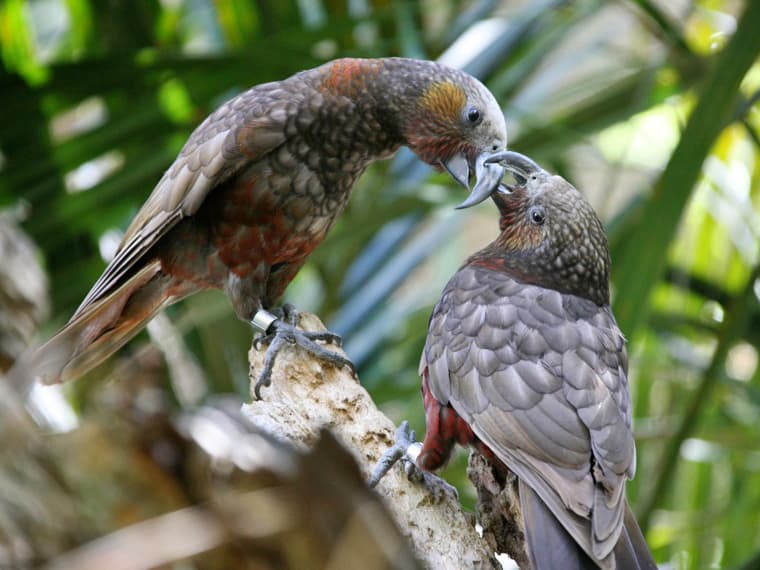
New Zealand kākā
The New Zealand kākā (Nestor meridionalis) is a large, endangered parrot native to the forests of New Zealand. Known for its distinctive brown and green plumage with scarlet flashes, it is an arboreal species that plays a vital role in its ecosystem through its varied diet, which includes fruits, seeds, nectar, and sap. Its conservation is a priority due to significant population declines caused by habitat loss and introduced predators.

Golden-mantled racket-tail
The golden-mantled racket-tail is a species of parrot endemic to Indonesia, found in lowland and montane moist forests. It is distinguished by its green plumage, an orange collar across the mantle in males, and elongated central tail feathers that form "rackets" with black tips.
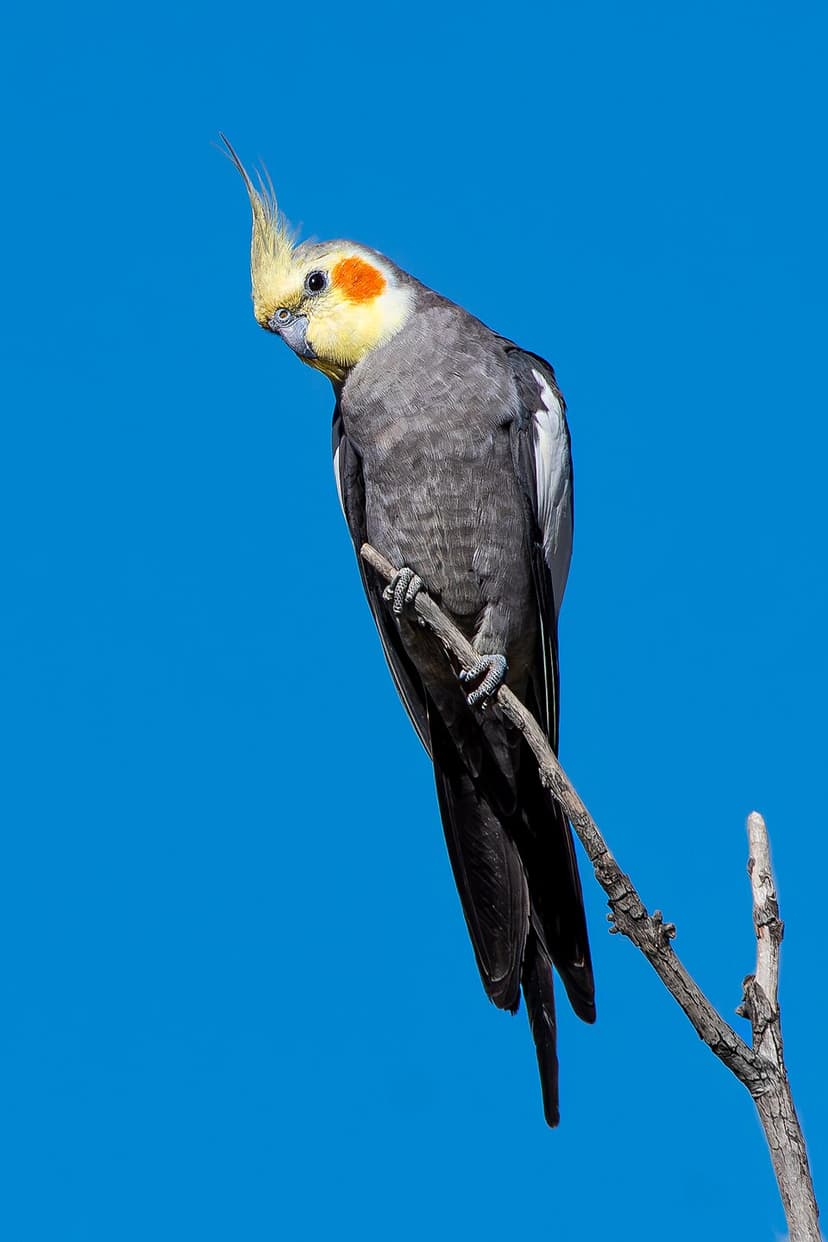
Cockatiel
The cockatiel is a small to medium-sized parrot native to Australia, and the smallest member of the cockatoo family. Recognized for its distinctive crest, long tail feathers, and sociable nature, it is one of the most popular pet birds globally, though improper care leads to high surrender rates. Its unique characteristics and ability to form strong bonds with humans have cemented its place as a beloved companion.