
Circus aeruginosus
Least Concern·Harrier
The western marsh harrier (Circus aeruginosus), also known as the Eurasian marsh harrier, is a large bird of prey found in temperate and subtropical regions of western Eurasia and adjacent Africa. It is distinctive for its low, gliding flight over open ground and its sexually dimorphic plumage, with males being reddish-brown and grey, and females predominantly chocolate-brown.
Key Facts
- ›The western marsh harrier breeds across Europe, northwestern Africa, and into Central Asia.
- ›It is a large harrier, with males measuring 48-56 cm in length and females 550-800 g in weight.
- ›Males have reddish-brown plumage with yellowish streaks, while females are mostly chocolate-brown.
- ›The species primarily inhabits wetland areas, particularly those with common reed.
- ›Its diet consists of small mammals, birds, insects, reptiles, and frogs.
- ›It is classified as a Species of Least Concern by the IUCN.
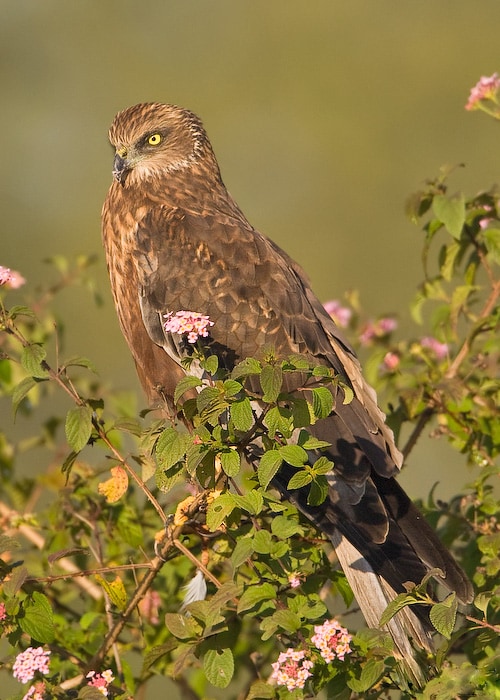
Eurasian Marsh Harrier
Wetland Areas, Reedbeds, Farmland, Grassland
Europe, Northwestern Africa, Central Asia, Middle East, Wintering Grounds In Africa and Asia
- Large and bulky harrier, larger than other European harriers.
- Males: 48-56 cm length, reddish-brown plumage with yellowish streaks on breast, grey wings, black primary remiges.
- Females: Almost entirely chocolate-brown, with lighter yellowish head, throat, and shoulders.
- Sexually dimorphic.
- Broad wings.
- Legs, feet, irides and cere are yellow.
Small Mammals, Small Birds, Insects, Reptiles, Frogs
Glides Low Over Flat Open Ground, Wings Held In A Shallow V-Shape, Often With Dangling Legs
Persecution, Habitat Destruction, Pesticide Use, Shooting During Migration, Disturbance During Breeding Season, Lead Shot Poisoning
About Circus aeruginosus
Western Marsh Harrier (Circus aeruginosus)
The western marsh harrier, also known as the Eurasian marsh harrier, is a large bird of prey native to temperate and subtropical regions of western Eurasia and adjacent Africa. It is recognized by its characteristic low, gliding flight over open terrain, with wings held in a shallow V-shape and legs often dangling.
Description and Identification
This species is sexually dimorphic. Adult males typically feature cryptic reddish-brown plumage with lighter yellowish streaks, particularly on the breast, and pale greyish-yellow heads and shoulders. Their wings are predominantly grey with black primary tips, creating a distinct three-colored appearance (brown-grey-black) from below. Females, on the other hand, are almost entirely chocolate-brown, with a conspicuously lighter yellowish crown, throat, and shoulders. The eye area of the female is darker, making the light eye stand out.
Distribution and Habitat
The western marsh harrier boasts a broad breeding range that extends from Europe and northwestern Africa across to Central Asia and the northern Middle East. While it is found in almost every European country, it is absent from mountainous regions and subarctic Scandinavia. Most populations are migratory or dispersive, wintering in milder regions of southern and western Europe, or migrating to Africa and parts of Asia. The subspecies C. a. harterti is resident in northwest Africa. They are strongly associated with wetland areas, especially those abundant with common reed, but also inhabit farmland and grassland adjacent to marshes.
Behavior and Ecology
The breeding season typically commences between mid-March and early May. Males may pair with two or even three females, with pair bonds usually lasting for a single season, though some pairs remain together for multiple years. The nest, constructed from sticks, reeds, and grasses, is usually situated in a reedbed but can also be found in arable fields. Clutch sizes range from three to eight eggs, which are incubated for 31–38 days. Young birds typically fledge after 30–40 days.
The western marsh harrier hunts by gliding low over open ground in search of prey. Its diet comprises small mammals, small birds, insects, reptiles, and frogs.
Conservation Status
Historically, the western marsh harrier experienced significant declines due to persecution, habitat destruction, and pesticide use. However, it is now a protected species in many countries and has made a comeback in areas where it had become extinct, such as Great Britain and Ireland. Despite facing ongoing threats like shooting during migration and lead shot poisoning, the species is currently classified as Least Concern by the IUCN due to largely averted threats and population recovery.
Source: Wikipedia ↗
Frequently Asked Questions
What is the scientific name for the western marsh harrier?
The scientific name for the western marsh harrier is Circus aeruginosus. It was first described by Carl Linnaeus in 1758.
Where is the western marsh harrier found?
The western marsh harrier has a wide breeding range from Europe and northwestern Africa to Central Asia and the northern Middle East. Many populations migrate to milder regions in southern and western Europe, Africa, or Asia for the winter.
What are the key physical differences between male and female western marsh harriers?
The western marsh harrier exhibits sexual dimorphism. Males are typically reddish-brown with lighter streaks and grey wings, while females are almost entirely chocolate-brown with a lighter head, throat, and shoulders.
What kind of habitat does the western marsh harrier prefer?
This species is strongly associated with wetland areas, especially those rich in common reed. They can also be found in other open habitats like farmland and grassland bordering marshland.
What does the western marsh harrier eat?
The western marsh harrier feeds on a variety of prey, including small mammals, small birds, insects, reptiles, and frogs.
What is the conservation status of the western marsh harrier?
The western marsh harrier is currently classified as a Species of Least Concern by the IUCN. While it faced declines in the past due to persecution and habitat loss, conservation efforts have helped its populations recover in many areas.
Related Raptor species
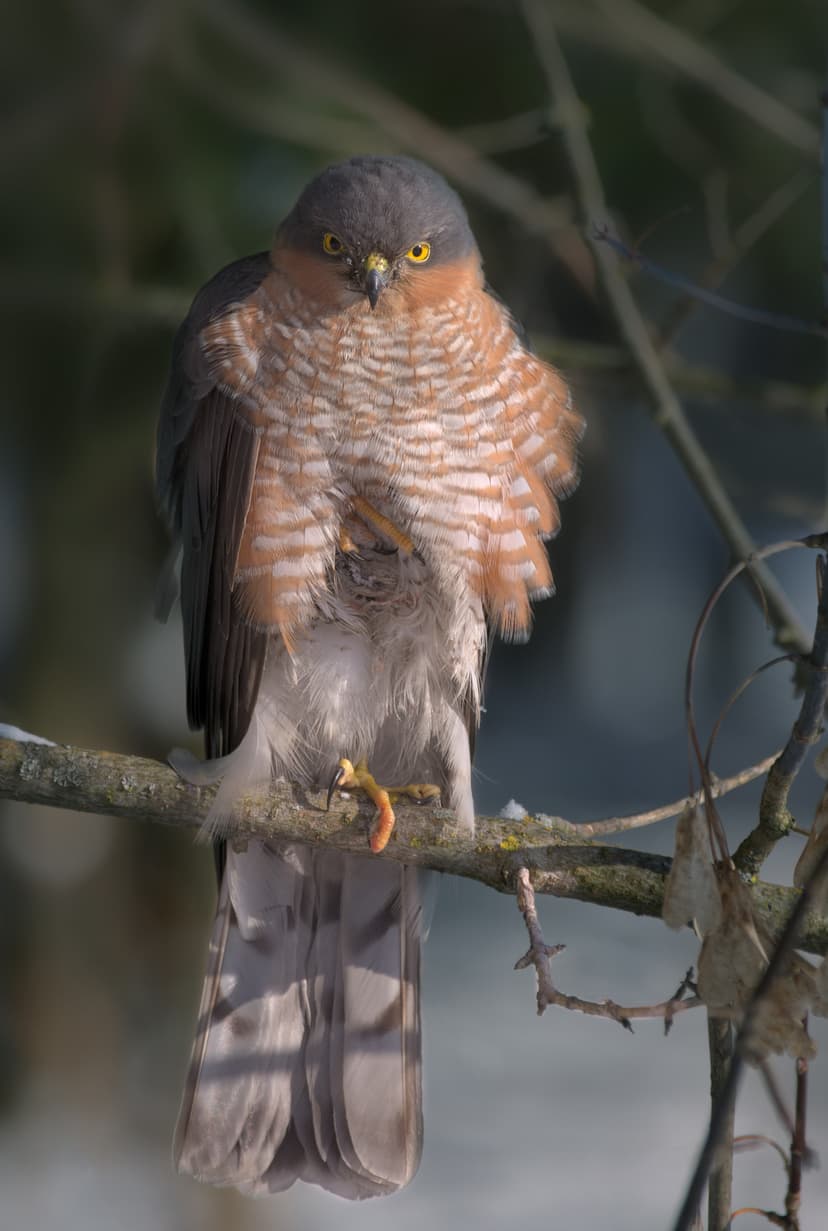
Accipiter nisus
The Eurasian sparrowhawk (Accipiter nisus) is a small bird of prey found across the temperate and subtropical regions of the Old World. It is distinctive for the significant size difference between sexes, with females being much larger than males, and for its specialized hunting of woodland birds, though it also adapts to urban environments. Once threatened by organochlorine insecticides, its populations have recovered and it is now considered of least concern.
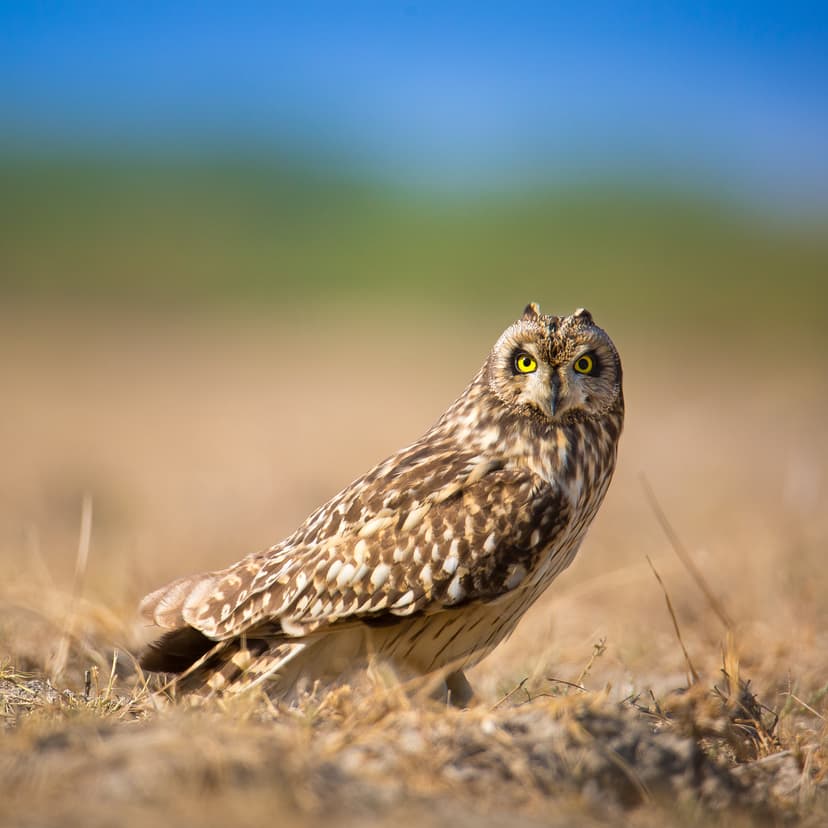
Asio flammeus
The short-eared owl (Asio flammeus) is a widely distributed grassland owl belonging to the Strigidae family. Known for its distinctive feather tufts resembling ears, which are usually not visible but can be displayed when threatened, this medium-sized owl hunts primarily rodents in open country and grasslands across multiple continents.
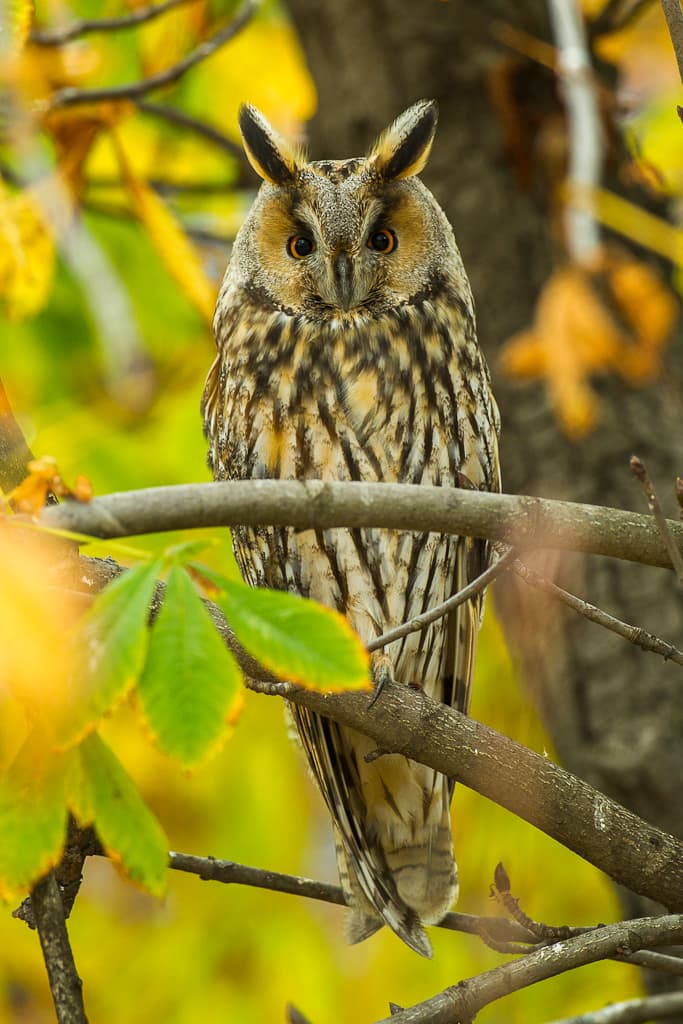
Asio otus
The long-eared owl (Asio otus) is a medium-sized owl found across Europe, the Palearctic, and North America. It is known for its prominent ear tufts, preference for woodland edges for roosting and nesting, and hunting over open ground. This species is a specialized predator of small rodents, particularly voles, and is considered of Least Concern by the IUCN.