
Falco biarmicus
The lanner falcon (Falco biarmicus) is a medium-sized bird of prey found across Africa, southeastern Europe, and parts of Asia. It is distinguished by its preference for open habitats, its diet of birds and bats, and its historical significance, potentially being the sacred falcon species of ancient Egyptians.
Key Facts
- ›Breeds in Africa, southeast Europe, and parts of Asia.
- ›Prefers open habitats such as savannah and grasslands.
- ›Preys on birds, bats, small mammals, reptiles, and invertebrates.
- ›Hunts primarily through horizontal pursuit, but uses various techniques.
- ›Nests on cliff faces, but also utilizes old nests and man-made structures.
- ›Listed as Least Concern on the IUCN Red List, but faces anthropogenic threats.
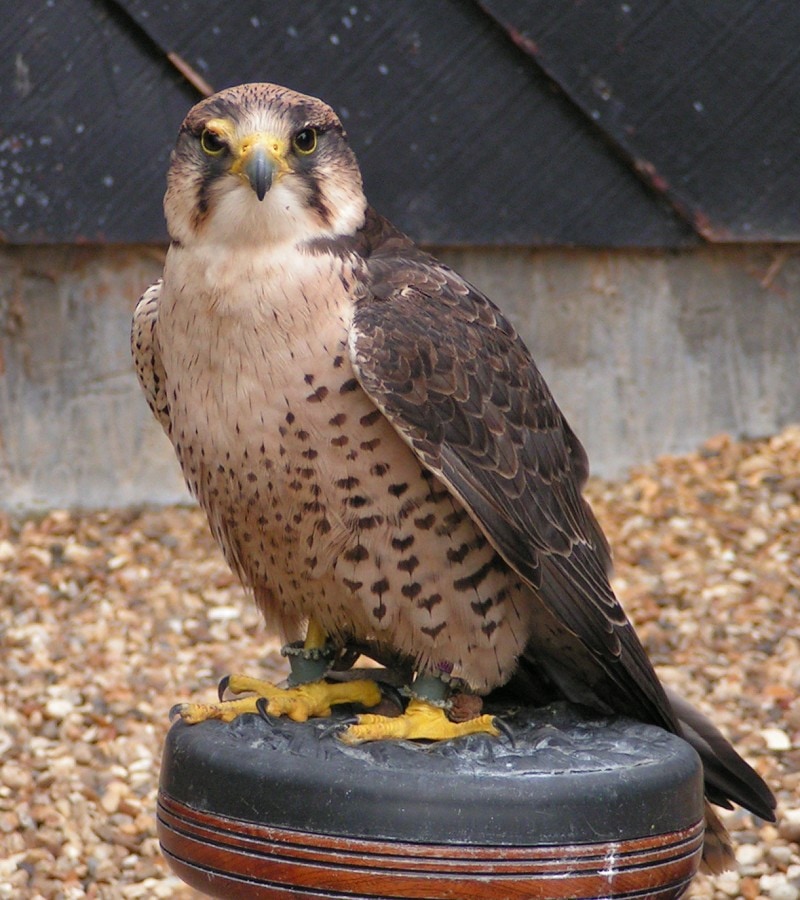
Lanner Falcon
Open Habitats, Forest Edge, Desert, Open Savannah, Sour Grasslands, Fynbos, Nama Karoo, Southern Kalahari
Africa, Southeast Europe, Asia
- Medium-Sized Bird of Prey
- Large Falcon
- 43–50 cm Length
- Wingspan of 95–105 cm
- Eurasian Subspecies Have Slate Grey Or Brown-Grey Upperparts
- African Subspecies Are Paler Blue Grey Above
- Breast Streaked In Northern Birds
- Reddish Back of the Head
- Sexes Are Similar
- Young Birds Are Browner Than Adults
Birds, Small Mammals, Reptiles, Invertebrates, Bats
Horizontal pursuit, Stooping after soaring, Attacking from a perch, Attacking from a fast, low coursing flight, Aerial attacks from a perch, Co-operative hunting
Doves, Pigeons, Domestic Chickens, Bats, Jackdaws
Nest Robbery, Vehicle Collisions, Electrocution From Power Lines, Persecution, Capture For Falconries, Killing By Farmers, Habitat Loss, Intensive Use of Pesticides
About Falco biarmicus
Lanner Falcon (Falco biarmicus)
The lanner falcon, scientifically known as Falco biarmicus, is a medium-sized bird of prey recognized for its presence across Africa, southeastern Europe, and parts of Asia. It thrives in open environments, ranging from forest edges to deserts, and is most commonly observed in savannah and grasslands. Historically, the lanner falcon holds cultural significance, with suggestions that it, or the peregrine falcon, was the sacred falcon species of ancient Egyptians, often depicted in their deities.
Taxonomy and Etymology
First described by Coenraad Jacob Temminck in 1825, Falco biarmicus belongs to the genus Falco. The genus name Falco is derived from the Late Latin word for falcon, referencing the sickle-shaped wings. The specific epithet biarmicus is thought to be a Latinized reference to Bjarmaland, a historical region in northern Russia, rather than a descriptor of being "bearded" as Temminck may have initially believed. The English common name, "lanner," is believed to originate from the Old French term lanier, meaning "cowardly," with its first recorded use in English dating to around 1400. It is considered the oldest living hierofalcon species, though genetic data can be complicated by hybridization and incomplete lineage sorting.
Description and Distribution
A large falcon, the lanner falcon typically measures between 43–50 cm in length with a wingspan of 95–105 cm. Eurasian lanner falcons (subspecies F. b. feldeggi) often display slate grey or brown-grey upperparts, while most African subspecies exhibit a paler blue-grey coloration. A distinctive feature is the reddish hue on the back of the head. Though sexes are similar, juvenile birds are browner and can resemble saker falcons, from which they can be distinguished by a darker crown and more defined head-side patterns.
Habitat and Behavior
Lanner falcons are predominantly found in open habitats, including savannah and grasslands, but can also be found near forest edges and in desert regions. While they exhibit local movements, often responding to seasonal rains and altitudinal changes, they are not considered truly migratory. Pairs engage in synchronized mutual soaring and flapping flights before the breeding season, and may also perform synchronized power-dives near nesting sites. Once eggs hatch, the female primarily cares for and feeds the young, with the male taking over feeding duties when the female needs to hunt. Both parents actively hunt once the juveniles are about 39 days old.
Diet and Hunting
The primary prey of the lanner falcon consists of other birds, such as doves and pigeons, and they have also been known to take domestic chickens. Their diet extends to small mammals, reptiles, and invertebrates, and they have been observed hunting bats in Africa and Israel. Hunting strategies are varied, commonly involving horizontal pursuit rather than the high stoops characteristic of the peregrine falcon. They also hunt by soaring and stooping, attacking from perches, or engaging in fast, low coursing flights. Cooperative hunting, particularly when targeting jackdaws, has been documented, utilizing visual cues for coordination.
Nesting and Breeding
Lanner falcons typically nest on sheer cliff faces, laying between three and four eggs. Their nesting habits are adaptable, and they will also utilize old crow nests, pylons, and trees. The breeding season, with a laying period in July, is thought to be timed to allow fledging before extreme summer heat and heavy rains, and before the influx of migratory birds. This timing may enhance foraging opportunities for the young. The incubation period is estimated to be around 32 days, with a nesting period of approximately 44 days, though juveniles may remain near nests for up to ten weeks after fledging. While the mean fledgling rate per successful pair is typical for large falcons, the overall number of young fledged per territorial pair is lower, suggesting factors like unproductive years may influence reproductive success.
Threats and Conservation
Globally, the lanner falcon is classified as Least Concern by the IUCN. However, the species faces significant threats from human activities. Direct threats include nest robbery, collisions with vehicles and power lines, and persecution. Chicks are vulnerable to capture for falconry, and adult birds may be killed by farmers concerned about predation on domestic chickens. Indirect threats comprise habitat loss due to human expansion and the widespread use of agricultural pesticides, which can impact prey availability and the falcons themselves.
Source: Wikipedia ↗
Frequently Asked Questions
What is the scientific name for the lanner falcon?
The scientific name for the lanner falcon is Falco biarmicus. This binomial name was given by the Dutch zoologist Coenraad Jacob Temminck in 1825.
Where are lanner falcons found?
Lanner falcons are predominantly found in open habitats across Africa, southeast Europe, and extending into Asia. They inhabit areas from forest edges to deserts, with a common presence in open savannah and grasslands.
What do lanner falcons eat?
The diet of lanner falcons primarily consists of other birds, including doves and pigeons. They also prey on small mammals, reptiles, and invertebrates, and have been observed hunting bats in Africa and Israel.
How do lanner falcons hunt?
Lanner falcons typically hunt by horizontal pursuit rather than stooping from a height. They employ a variety of techniques, including stooping after soaring, attacking from a perch, and fast, low coursing flights. Cooperative hunting has also been observed.
What are the nesting habits of lanner falcons?
Lanner falcons usually nest on sheer cliff faces, laying three to four eggs. They are adaptable and also use old crow nests, pylons, trees, and less steep cliff faces.
Are lanner falcons endangered?
No, lanner falcons are listed as Least Concern on the IUCN Red List. However, they are still negatively impacted by human activities such as nest robbery, vehicle collisions, and habitat loss.
Related Raptor species
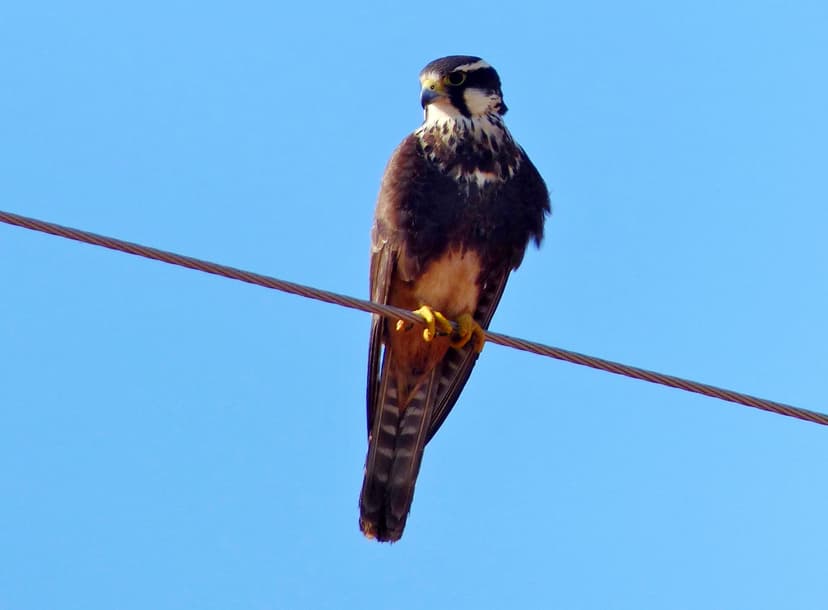
Falco femoralis
The aplomado falcon (Falco femoralis) is a slender, medium-sized falcon found throughout the Americas. Its name, derived from the Spanish word for "lead-colored," refers to its distinctive blue-grey plumage. This species is known for its swift hunting style, often preying on small birds, and its adaptability to various open habitats.
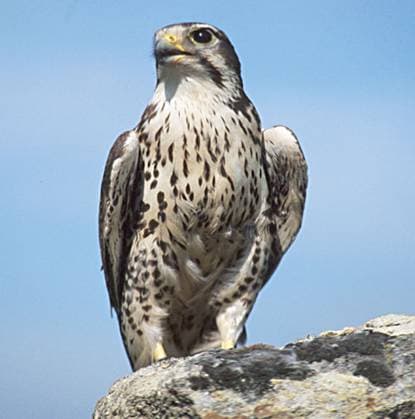
Falco mexicanus
The prairie falcon (Falco mexicanus) is a medium-sized falcon native to Western North America, distinguished by its adaptation to arid climates and opportunistic hunting. It is a divergence from the peregrine falcon lineage, capable of thriving on a more varied diet in harsher environments. The species is known for its aggressive nature and distinctive physical characteristics, including black "wingpits" and a narrow "moustache" mark.
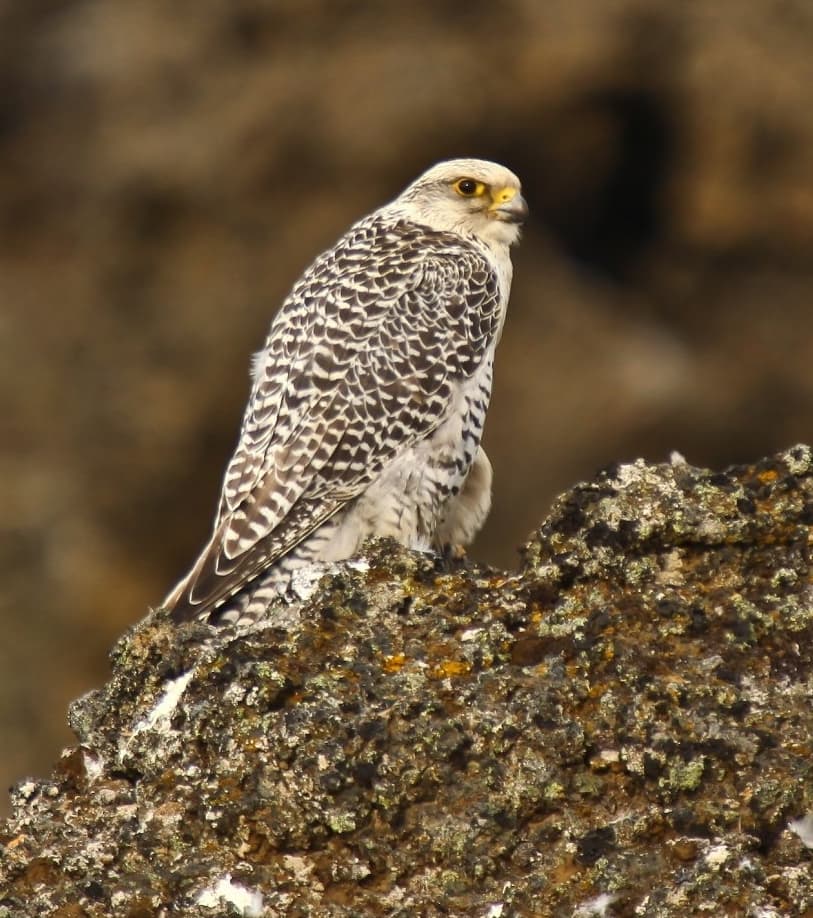
Falco rusticolus
The gyrfalcon (Falco rusticolus) is the largest species of falcon, native to Arctic coastal regions and tundra. It is a highly polymorphic species, with plumage ranging from all-white to dark grey-brown, and exhibits sexual dimorphism with females being significantly larger than males. Historically valued for falconry, it preys on birds and mammals, often hunting in horizontal pursuits rather than stoops.