
Falco cherrug
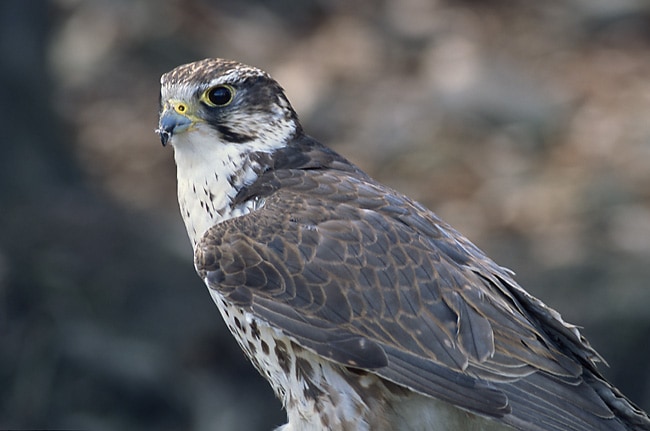
The saker falcon (Falco cherrug) is a large falcon species native to Eurasia, known for its impressive speed in flight. It is a partial migrant, with some populations wintering in the Sahel region of Africa. Culturally, it holds significance as the national bird of several countries and has a long history of use in falconry.
Key Facts
- ›Breeds across Eurasia from Central Europe to Manchuria.
- ›Capable of reaching speeds up to 150 km/h in level flight and nearly 300 km/h in stoops.
- ›National bird of Hungary, the United Arab Emirates, and Mongolia.
- ›Primarily hunts rodents and birds in open grasslands.
- ›Lays eggs in old stick nests built by other birds or on cliffs.
- ›Classified as Endangered by Birdlife International due to population decline.
Saker Falcon
Open Grasslands, Areas With Trees Or Cliffs
Europe, Asia, Africa
- Large hierofalcon, larger than the lanner falcon.
- Resembles a larger, browner gyrfalcon.
- Males weigh 730–990 g, females 970–1,300 g.
- Length: 45–57 cm.
- Wingspan: 97–126 cm.
- Plumage is variable; males and females are similar except in size.
- Young birds tend to be darker and more heavily streaked than adults.
Rodents, Birds
Horizontal Pursuit
Ground Squirrels, Feral Pigeons
Illegal Trapping, Habitat Loss and Destruction, Avian Influenza
About Falco cherrug
Saker Falcon (Falco cherrug)
The saker falcon, scientifically known as Falco cherrug, is a large and powerful falcon species with a broad distribution across Eurasia. Its breeding range extends from Central Europe eastward through Asia to Manchuria. This species is notable for its impressive speed, capable of reaching approximately 150 km/h in level flight and exceeding 300 km/h during high-speed dives, placing it among the fastest animals on Earth.
Ecology and Distribution
Saker falcons are primarily found in open grasslands, often preferring areas that offer trees or cliffs for nesting and hunting. They are partial migrants; while some adults remain resident, juveniles often migrate to wintering grounds. European and West Asian populations typically spend their winters in the Sahel region of Africa, while those breeding east of the Altai Mountains migrate to the Qinghai-Tibet Plateau. Their diet mainly consists of rodents and birds, with ground squirrels and feral pigeons being common prey in Europe. They do not construct their own nests, instead utilizing old stick nests made by other birds or nesting on cliff ledges.
Taxonomy and Subspecies
The saker falcon belongs to the hierofalcon complex, a group characterized by extensive hybridization, which can complicate genetic studies. Four subspecies are officially recognized: F. c. cherrug (nominate subspecies), F. c. coatsi (desert regions of Kazakhstan and Uzbekistan), F. c. milvipes (Central Asia), and F. c. hendersoni (high elevations of Tibet and Qinghai Plateau). Historically, some individuals from the Altai Mountains were considered a separate species (Falco altaicus) or a hybrid, but modern consensus regards them as a color morph of the saker falcon.
Cultural Significance and Conservation
The saker falcon holds significant cultural importance. It is the national bird of Hungary, the United Arab Emirates, and Mongolia, and has been integral to Arab heritage and culture for over 9,000 years, referred to by Arabs as "Hur" or "Free-bird." It has been utilized in falconry since ancient times. Despite its cultural prominence, the saker falcon faces severe threats, leading to its classification as Endangered by BirdLife International. Rapid population declines, particularly in Central Asia, are attributed to illegal trapping for the black market, habitat loss, and destruction. Susceptibility to avian influenza also poses a risk to the species.
Source: Wikipedia ↗
Frequently Asked Questions
What is the saker falcon's scientific name and common name origin?
The scientific name is Falco cherrug. The specific name 'cherrug' originates from the Sindhi word for a female saker, 'charg'. The common name 'saker' is derived from the Arabic word 'Ṣaqr', meaning 'falcon'.
Where does the saker falcon breed and migrate?
The saker falcon breeds from Central Europe eastward across the Palearctic to Manchuria. It is a partial migrant, with European and West Asian populations wintering in the Sahel region of Africa, while eastern populations winter on the Qinghai-Tibet Plateau.
How fast can a saker falcon fly?
The saker falcon is one of the fastest birds, reaching speeds of up to 150 km/h in level flight. In high-speed dives, known as stoops, they can approach speeds of 300 km/h.
What does the saker falcon eat?
Saker falcons primarily feed on rodents and birds. In Europe, common prey includes ground squirrels and feral pigeons. They hunt through horizontal pursuit rather than stooping from a height.
Where do saker falcons build their nests?
Saker falcons typically do not build their own nests. Instead, they lay their eggs in old stick nests previously constructed by other birds, such as storks, ravens, or buzzards, or they will nest on cliffs.
What is the conservation status of the saker falcon?
The saker falcon is categorized as Endangered by BirdLife International. This classification is due to a rapid decline in its population, particularly in its Central Asian breeding grounds, exacerbated by illegal trapping and habitat loss.
Related Raptor species
Polemaetus bellicosus
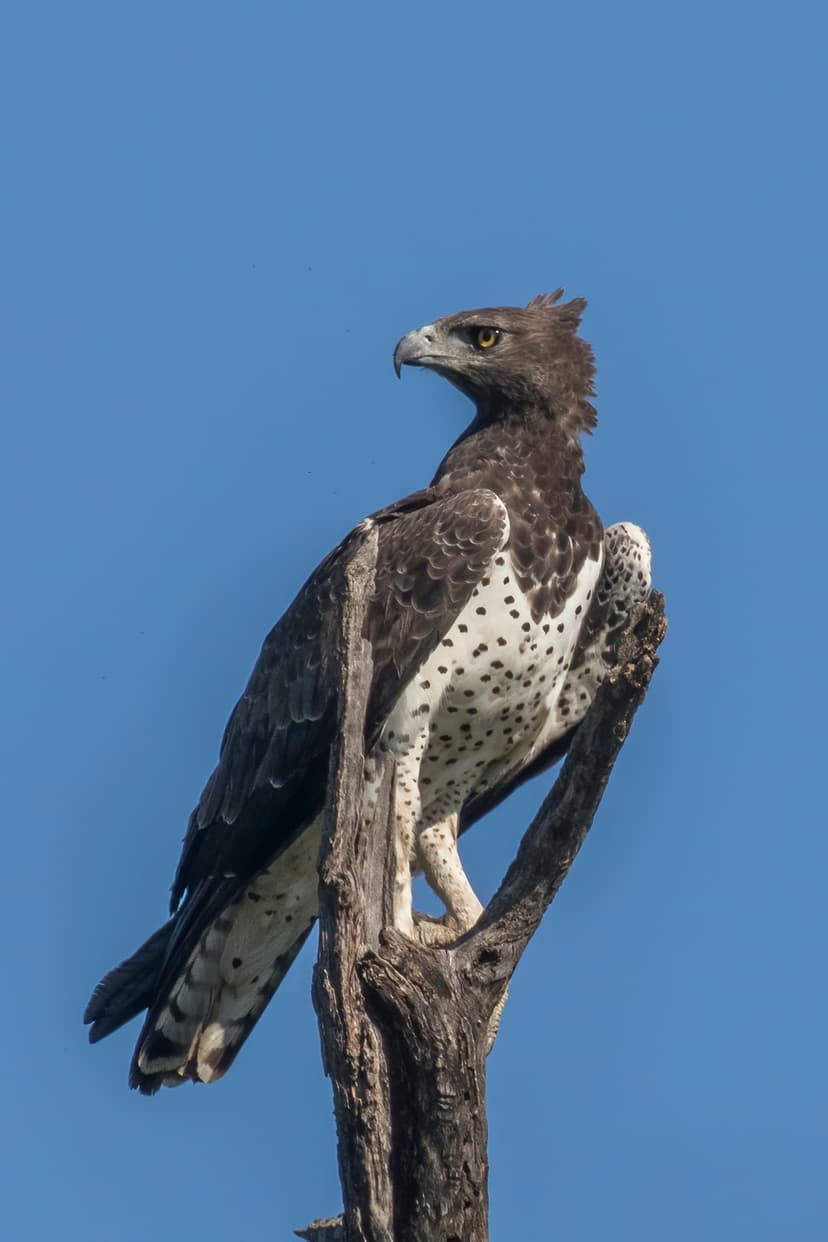
The martial eagle (Polemaetus bellicosus) is a large, powerful booted eagle native to sub-Saharan Africa, notable for its impressive size, strength, and hunting prowess. It is the sole member of its genus and is distinguished by its feathered legs and distinctive dark brown plumage with white spotting. Unfortunately, this species has experienced a significant decline and is currently classified as Endangered due to persecution and habitat changes.
Sagittarius serpentarius
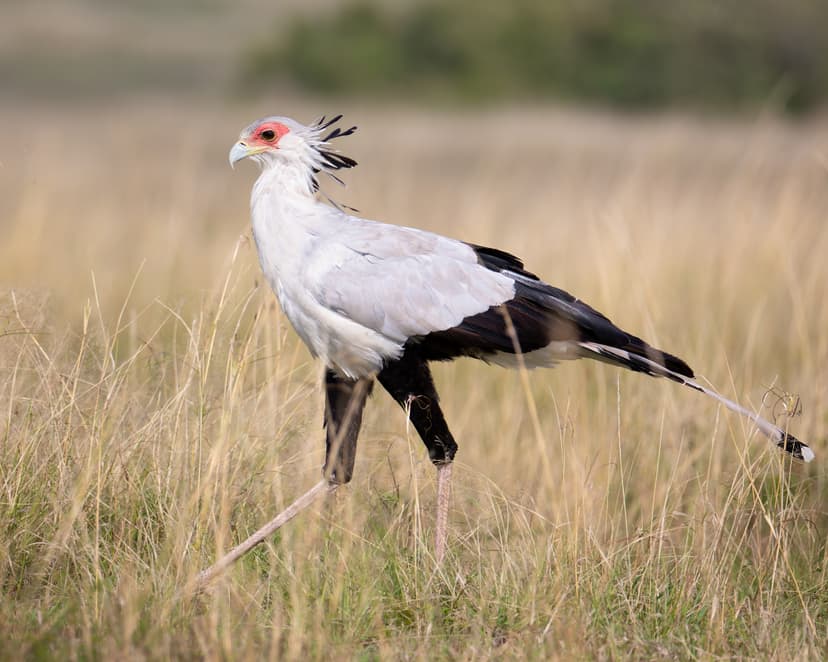
The secretarybird (Sagittarius serpentarius) is a large, distinctive bird of prey found exclusively in Africa. It is primarily terrestrial, hunting its prey on the ground in open grasslands and savannas. Its unique combination of an eagle-like body with crane-like legs and a specialized stomping hunting technique makes it one of the most recognizable raptors.
Falco columbarius
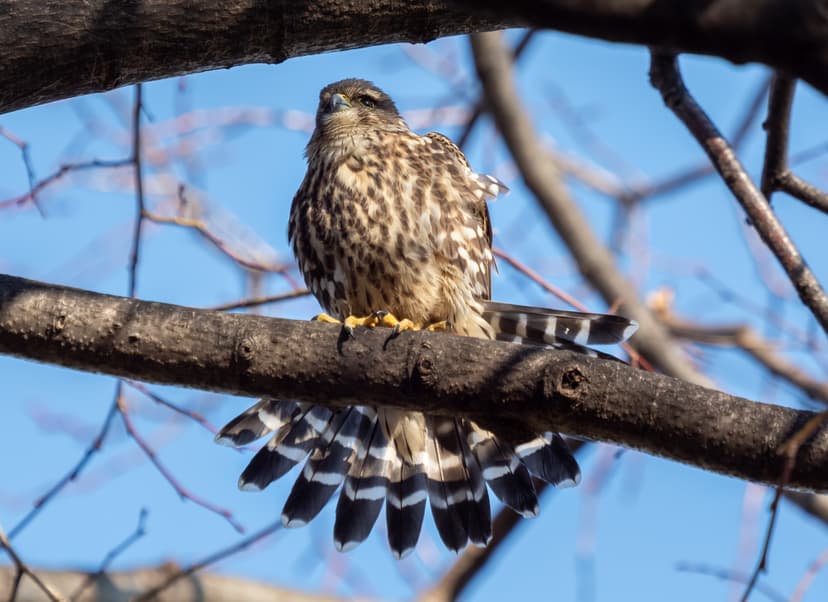
The merlin (Falco columbarius) is a small, swift falcon found across the Northern Hemisphere, breeding in the northern Holarctic and migrating to warmer regions in winter. Known for its agility in aerial pursuits, it primarily preys on small birds and shorebirds, and has a long history of use in falconry.