
Gymnogyps californianus
Critically Endangered·New World Vulture
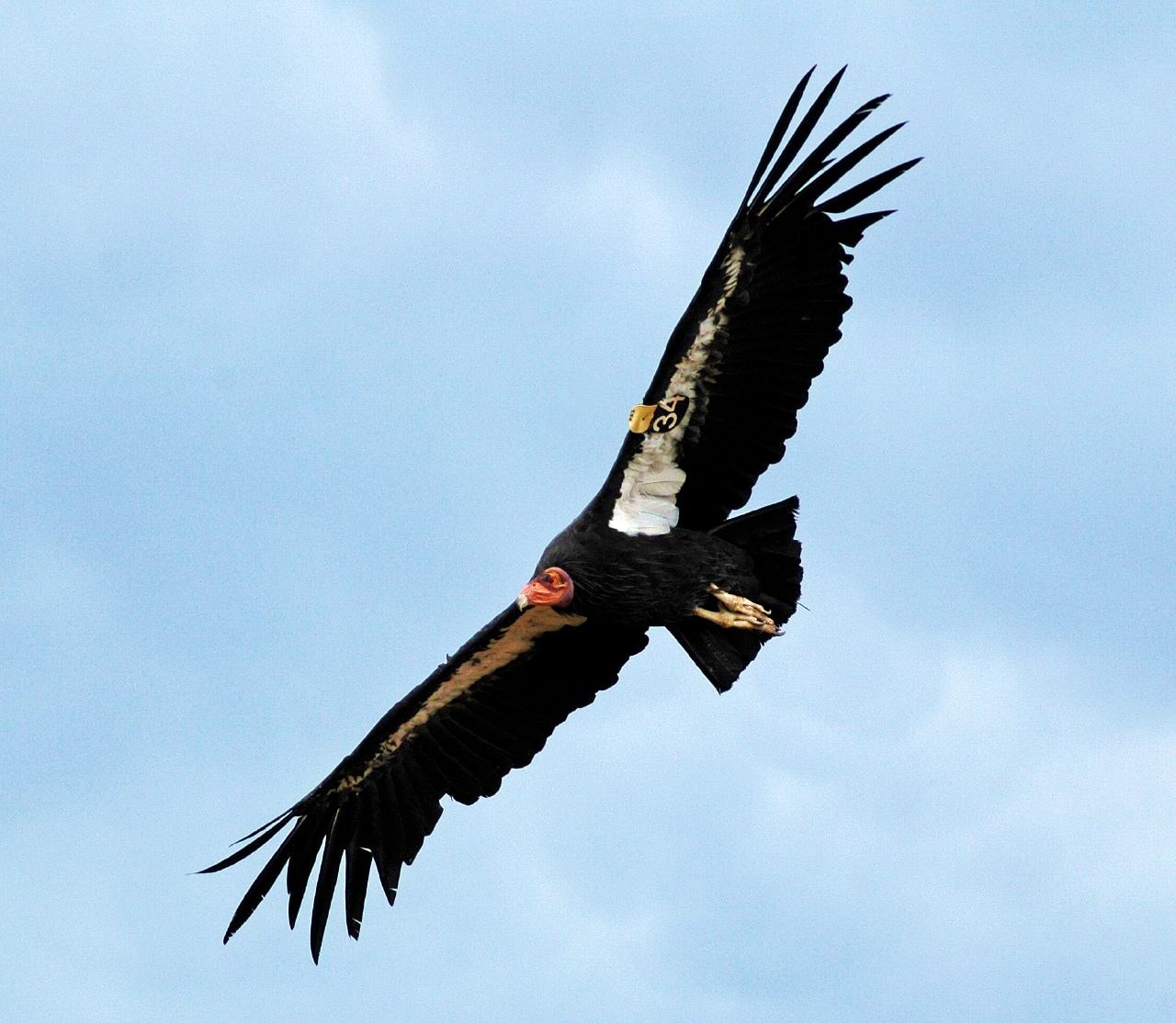
The California condor (Gymnogyps californianus) is the largest land bird in North America, distinguished by its immense wingspan and bald head. Once extinct in the wild, intensive conservation efforts have led to its reintroduction across parts of the western United States and Mexico. This scavenger plays a significant role in the cultural traditions of many Native American groups.
Key Facts
- ›Largest North American land bird with a wingspan of up to 3.0 meters (9.8 ft).
- ›Critically endangered, with a wild population reintroduced after total extinction in 1987.
- ›Primarily a scavenger, feeding on carrion from large mammals.
- ›One of the world's longest-living bird species, with a lifespan of up to 60 years.
- ›Plumage is black with white patches on the underside of the wings; head skin color varies with age and breeding status.
- ›Faces significant threats from lead poisoning, habitat loss, and ingestion of trash.
Rocky Shrubland, Coniferous Forest, Oak Savanna, Areas Near Cliffs Or Large Trees
North America, Mexico
- Uniform black plumage with large triangular white patches on the underside of the wings.
- Bald head with skin color ranging from gray to yellow and bright orange.
- Frill of black feathers around the base of the neck.
- Ivory-colored bill.
- Brownish red eyes.
- Middle toe greatly elongated; hind toe slightly developed.
- Talons are straight and blunt, adapted for walking rather than gripping.
- Carrion
- Carcasses of Deer, Goats, Sheep, Donkeys, Horses, Pigs, Cougars, Bears, Cattle
- Carcasses of Smaller Mammals
- Carcasses of Aquatic Mammals
- Carcasses of Fish
Lead Poisoning, Ingestion of Trash, Poaching, Ddt Poisoning, Electric Power Lines, Egg Collecting, Habitat Destruction
About Gymnogyps californianus
California Condor (Gymnogyps californianus)
What is known
The California condor (Gymnogyps californianus) is the largest North American land bird, renowned for its impressive size and critical conservation status. Once facing extinction in the wild, intensive captive breeding and reintroduction programs have allowed for its return to parts of its historic range across the western United States and Mexico. This majestic scavenger is the sole surviving member of the genus Gymnogyps and holds significant cultural importance for many Native American tribes.
Physical Characteristics and Behavior
Adult California condors are characterized by their uniform black plumage, distinguished by large, triangular white patches on the underside of their wings. Their heads are largely bald, with skin color varying from gray in juveniles to yellow and bright orange in breeding adults. They possess a distinctive frill of black feathers around the base of their neck and an ivory-colored bill. With a wingspan that can reach up to 3.0 meters (9.8 ft), they are the widest-winged birds in North America. Their weight can approach 14 kg (31 lb). Unlike typical birds of prey, their feet are adapted more for walking, with straight, blunt talons. Condors are primarily soarers, utilizing thermals to glide for extended periods. They are known for their long lifespan, potentially living up to 60 years. Their vocalizations are limited to hisses and grunts, as they lack a syrinx.
Diet and Ecology
As scavengers, California condors feed on carrion. They prefer carcasses of large terrestrial mammals such as deer, goats, sheep, and cattle, but will also consume smaller mammals, marine mammals, and fish when available. Condors do not possess a sense of smell and rely on spotting other scavengers, like eagles and smaller vultures, to locate food. They have a remarkable ability to go for extended periods without eating, then gorge themselves on large amounts of meat.
Reproduction and Conservation
California condors reach sexual maturity around six years of age. Mating pairs form lifelong bonds and typically lay only one bluish-white egg every other year in caves or on cliff ledges. The incubation period lasts approximately 53 to 60 days, and chicks fledge after 5 to 6 months, remaining with parents until their second year. Due to their low reproductive rate and vulnerability, conservation efforts have been extensive. The species faced severe population declines due to lead poisoning, habitat destruction, and other factors. A comprehensive recovery plan, initiated in the late 1970s, involved capturing all remaining wild condors for captive breeding and subsequent reintroduction. Despite ongoing challenges, including lead poisoning from ammunition fragments in carcasses and the ingestion of trash by young birds, the population has shown signs of recovery, with hundreds of individuals now in the wild and in captivity.
Source: Wikipedia ↗
Frequently Asked Questions
What is the California condor?
The California condor (Gymnogyps californianus) is the largest North American land bird and the only surviving member of its genus. It is a New World vulture known for its impressive size and critical conservation status.
Where do California condors live?
California condors have been reintroduced to northern Arizona and southern Utah (including the Grand Canyon and Zion National Park), the coastal mountains of California, and northern Baja California in Mexico. They inhabit rocky shrubland, coniferous forests, and oak savannas, often near cliffs or large trees.
What do California condors eat?
California condors are scavengers and primarily feed on carrion from large terrestrial mammals such as deer, goats, sheep, and cattle. They will also consume smaller mammals, aquatic mammals like whales, and fish when necessary.
Why are California condors endangered?
Historically, condor populations declined due to agricultural chemicals like DDT, poaching, lead poisoning from ingested ammunition in carcasses, and habitat destruction. In modern times, lead poisoning and the ingestion of trash by nestlings remain significant threats.
What is the conservation status of the California condor?
The California condor is listed by the IUCN as critically endangered and is considered Critically Imperiled by NatureServe. Intensive captive breeding and reintroduction programs are ongoing to recover the species.
How long do California condors live?
California condors are among the longest-living birds in the world, with a typical lifespan of up to 60 years in the wild. Their long lifespan contributes to their vulnerability to population declines, as they reproduce slowly.
Related Raptor species
Pithecophaga jefferyi
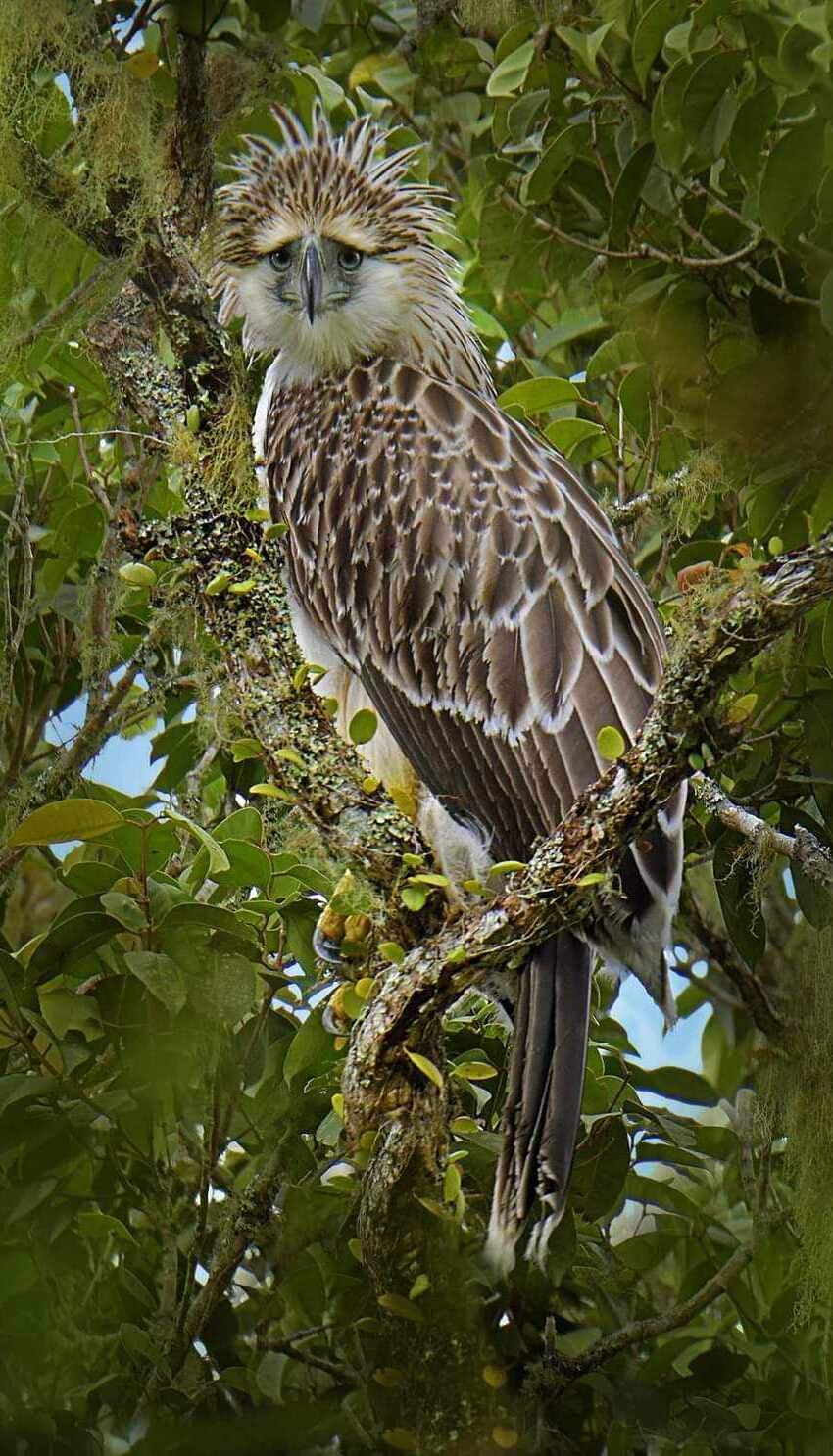
The Philippine eagle (Pithecophaga jefferyi) is a critically endangered species of eagle endemic to the Philippines' forests. It is distinguished by its brown and white plumage, shaggy crest, immense size, and powerful beak, making it one of the largest and most powerful eagles in the world. Facing severe threats from habitat loss, this magnificent bird has been declared the national bird of the Philippines.
Accipiter cooperii
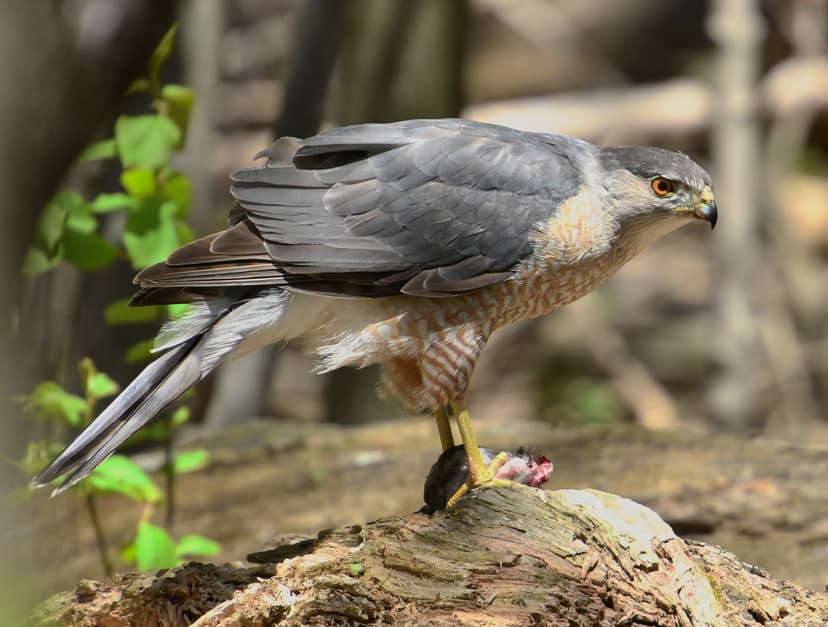
Cooper's hawk is a medium-sized hawk native to North America, ranging from southern Canada to Mexico. It is known for its exceptional agility, which it uses to hunt agile prey like birds and small mammals. Distinctive features include its blue-gray or brown-gray plumage, a long, barred tail with a white tip, and forward-set eyes adapted for precise hunting.
Accipiter gentilis
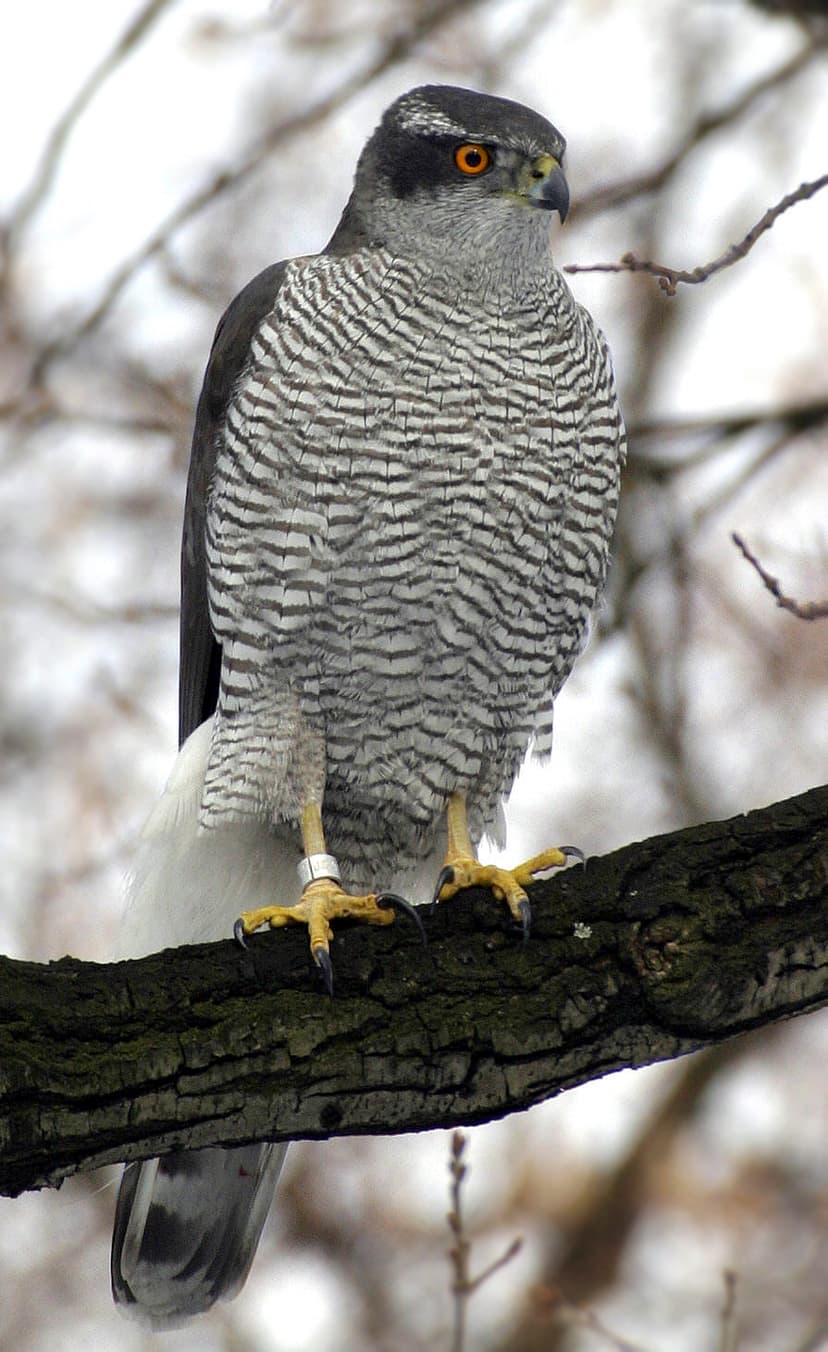
The Eurasian goshawk (Astur gentilis) is a medium-large bird of prey found across temperate Eurasia. It is recognized by its broad wings, long tail, and distinctively barred plumage. This species is known for its agility in wooded environments and is the sole goshawk in most of its range, often simply called "goshawk".