
Pithecophaga jefferyi
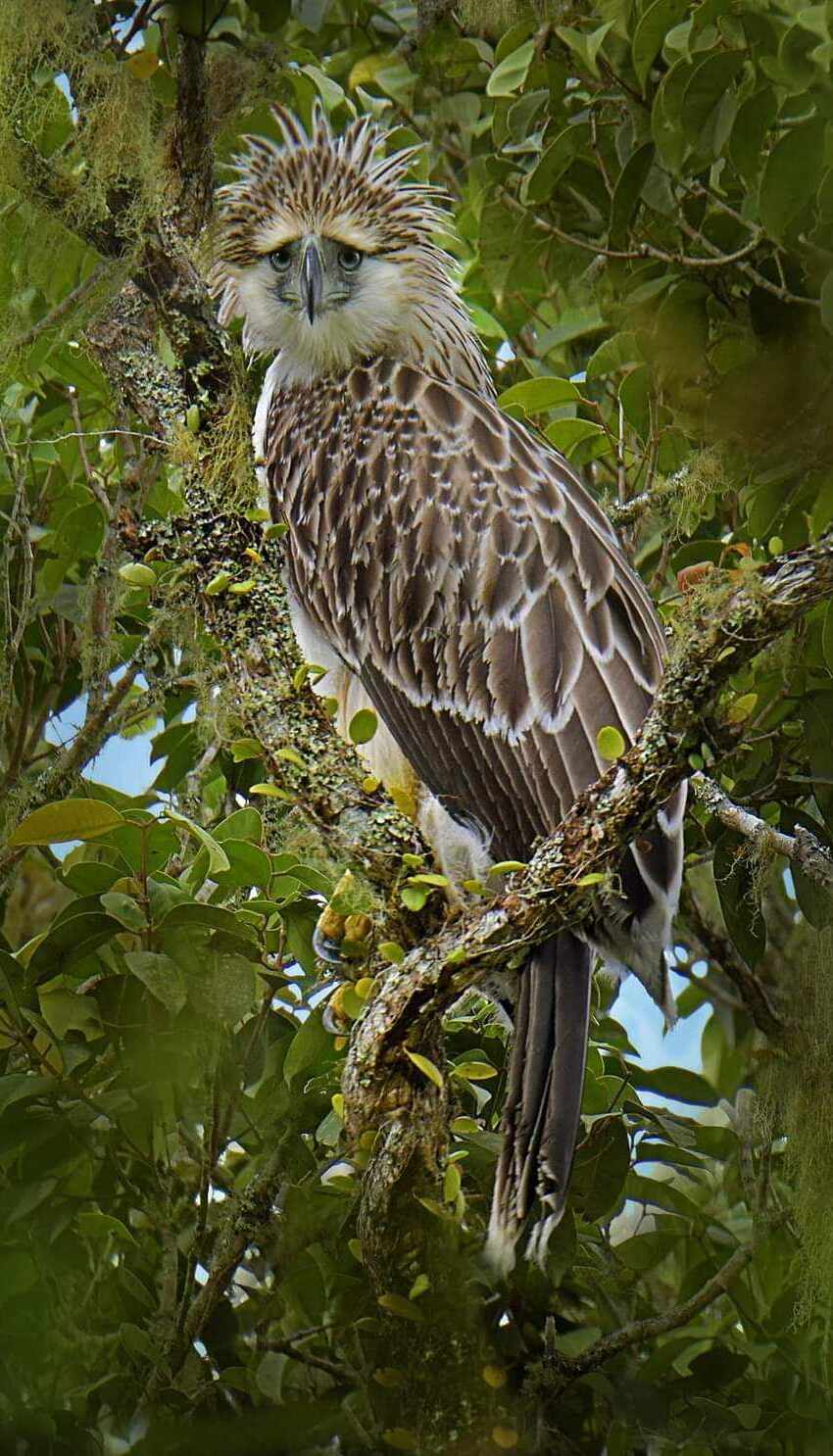
The Philippine eagle (Pithecophaga jefferyi) is a critically endangered species of eagle endemic to the Philippines' forests. It is distinguished by its brown and white plumage, shaggy crest, immense size, and powerful beak, making it one of the largest and most powerful eagles in the world. Facing severe threats from habitat loss, this magnificent bird has been declared the national bird of the Philippines.
Key Facts
- ›It is the national bird of the Philippines and is depicted on the thousand-peso note.
- ›It is among the largest and most powerful eagles globally, particularly in length and wing surface area.
- ›The primary threat to its survival is deforestation, leading to significant habitat loss.
- ›Killing a Philippine eagle is a serious criminal offense, punishable by law.
- ›Its diet is opportunistic, including mammals, birds, and reptiles, with flying lemurs often being a primary food source.
- ›The breeding cycle is exceptionally long, lasting two years, with a monogamous pairing for life.
Monkey-Eating Eagle, Great Philippine Eagle, BáNoy, áGila, Manaul, Manaol, Garuda, Tipule, Mam-Boogook, Malamboogook, HáRibon
Dipterocarp Forests, Mid Montane Forests, Steep Forest Areas, Lowlands, Mountains
Philippines
- Brown and white plumage
- Shaggy, mane-like crest of long, brown feathers on the nape
- Dark face
- Creamy-brown nape and crown
- Dark brown back
- White underside and underwings
- Heavy, yellow legs with large, powerful, dark claws
- Prominent, large, high-arched, deep bluish-gray beak
- Blue-gray eyes
- Juveniles have pale fringes on upperpart feathers
Mammals, Birds, Reptiles, Monkeys, Colugos, Large Snakes, Monitor Lizards, Hornbills, Flying Lemurs, Civets, Flying Squirrels, Tree Squirrels, Flying Foxes, Rats, Mouse-Deer, Owls, Hawks, Vipers, Cobras, Domestic Fowls, Cats, Young Pigs, Small Dogs
Still-Hunting, Perch-Hunting, Cooperative Hunting of Monkey Troops
Philippine Flying Lemurs, Crab-Eating Macaques, Civets, Colugos, Large Snakes, Monitor Lizards, Hornbills, Philippine Deer
Habitat Loss Due To Deforestation, Logging, Expanding Agriculture, Mining, Pollution, Exposure To Pesticides, Poaching, Traps Set For Other Animals, Accidental Electrocution, Gunshot Wounds
About Pithecophaga jefferyi
The Philippine Eagle: Majestic Apex Predator of the Philippines
What is the Philippine Eagle?
The Philippine eagle (Pithecophaga jefferyi), also known as the monkey-eating eagle or great Philippine eagle, is a critically endangered species of eagle found exclusively in the forests of the Philippines. It is a magnificent bird characterized by its brown and white plumage, a distinctive shaggy crest, and immense size, making it one of the largest and most powerful eagles in the world. Its imposing stature and fierce hunting prowess have earned it the title of the national bird of the Philippines and a place on the thousand-peso banknote.
Habitat and Distribution
This majestic raptor is endemic to the Philippines, inhabiting the dipterocarp and mid-montane forests across four major islands: eastern Luzon, Samar, Leyte, and Mindanao. It prefers steep, forested areas, ranging from lowlands up to elevations of over 1,800 meters. The species requires extensive territories to thrive, making it highly vulnerable to the fragmentation and loss of its forest habitat.
Physical Characteristics and Behavior
The Philippine eagle is a visually striking bird with a dark face and creamy-brown nape and crown, contrasted by a dark brown back and white underparts. Its legs are heavy and yellow, equipped with powerful, dark talons, and it possesses a prominent, high-arched beak. Measuring between 86 to 102 cm in length, with a wingspan of up to 220 cm, it is one of the longest extant eagles. While generally monogamous, pairs remain together for life. The breeding cycle is exceptionally long, spanning two years, with a single chick typically hatched every alternate year.
Diet and Hunting
Initially believed to be solely a monkey predator, the Philippine eagle is, in reality, an opportunistic apex predator. Its diet is varied and depends on local prey availability, including mammals like flying lemurs, civets, and macaques, as well as birds, reptiles, and even domestic animals. Hunting techniques include still-hunting from a perch and actively searching by gliding between perches. Pairs have been observed cooperating to hunt prey.
Conservation Concerns
The Philippine eagle faces severe threats, primarily deforestation driven by logging and expanding agriculture, which drastically reduces its habitat. Other significant dangers include mining, pollution, pesticide exposure, and poaching. Killing this species is a criminal offense under Philippine law, carrying severe penalties. Conservation efforts are ongoing, with organizations working to protect its remaining habitat and breed the eagles in captivity for potential reintroduction, though the species remains critically endangered.
Source: Wikipedia ↗
Frequently Asked Questions
What is the Philippine eagle's scientific name and why was it named that?
The scientific name is Pithecophaga jefferyi. It was initially called the 'monkey-eating eagle' due to native reports of its diet, leading to its generic name derived from Greek for 'ape eater'. The species name honors Jeffery Whitehead.
What makes the Philippine eagle so large?
The Philippine eagle is typically 86 to 102 cm in length, with some specimens reaching up to 112 cm. It has a wingspan of 184 to 220 cm and a notable tarsus length, making it one of the longest extant eagles.
What does the Philippine eagle eat?
While initially believed to eat only monkeys, the Philippine eagle is an opportunistic predator. Its diet includes flying lemurs, civets, snakes, monitor lizards, large birds like hornbills, and occasionally domestic animals. Prey size can range from small bats to Philippine deer.
What are the main threats to the Philippine eagle?
The most significant threat is habitat loss due to deforestation from logging and agriculture. Other threats include mining, pollution, exposure to pesticides, and poaching, with eagles sometimes caught in traps intended for other animals.
How long does a Philippine eagle live?
The estimated lifespan for a wild Philippine eagle is between 30 to 60 years. Captive individuals have lived for 41 and 46 years, though wild birds are believed to have shorter average lifespans.
What is the conservation status of the Philippine eagle?
The Philippine eagle is listed as critically endangered by the IUCN Red List, with a declining population. It is considered one of the most endangered raptors in the world.
Related Raptor species
Gymnogyps californianus
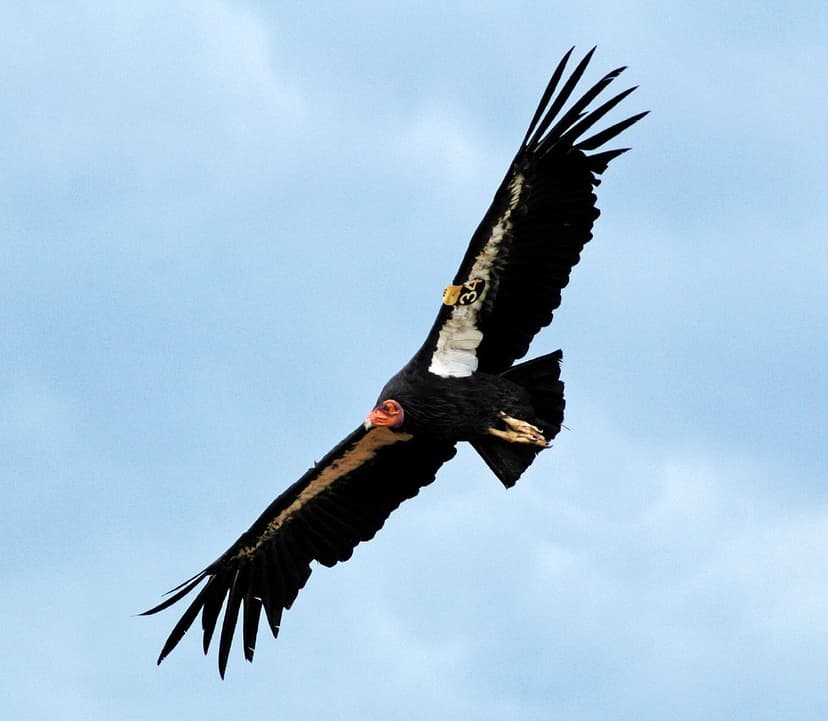
The California condor (Gymnogyps californianus) is the largest land bird in North America, distinguished by its immense wingspan and bald head. Once extinct in the wild, intensive conservation efforts have led to its reintroduction across parts of the western United States and Mexico. This scavenger plays a significant role in the cultural traditions of many Native American groups.
Aquila audax
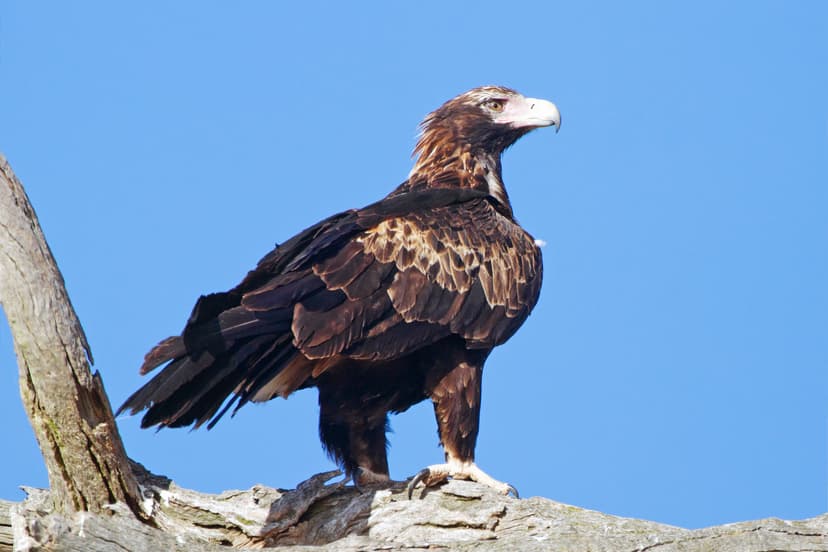
The wedge-tailed eagle (Aquila audax) is Australia's largest bird of prey, also found in southern New Guinea and Tasmania. It is characterized by its long, broad wings, fully feathered legs, and distinctive wedge-shaped tail. As one of the most powerful avian predators, it is a generalist hunter, preying on mammals, birds, and reptiles, and is known for its resilience and adaptability to various habitats.
Aquila chrysaetos
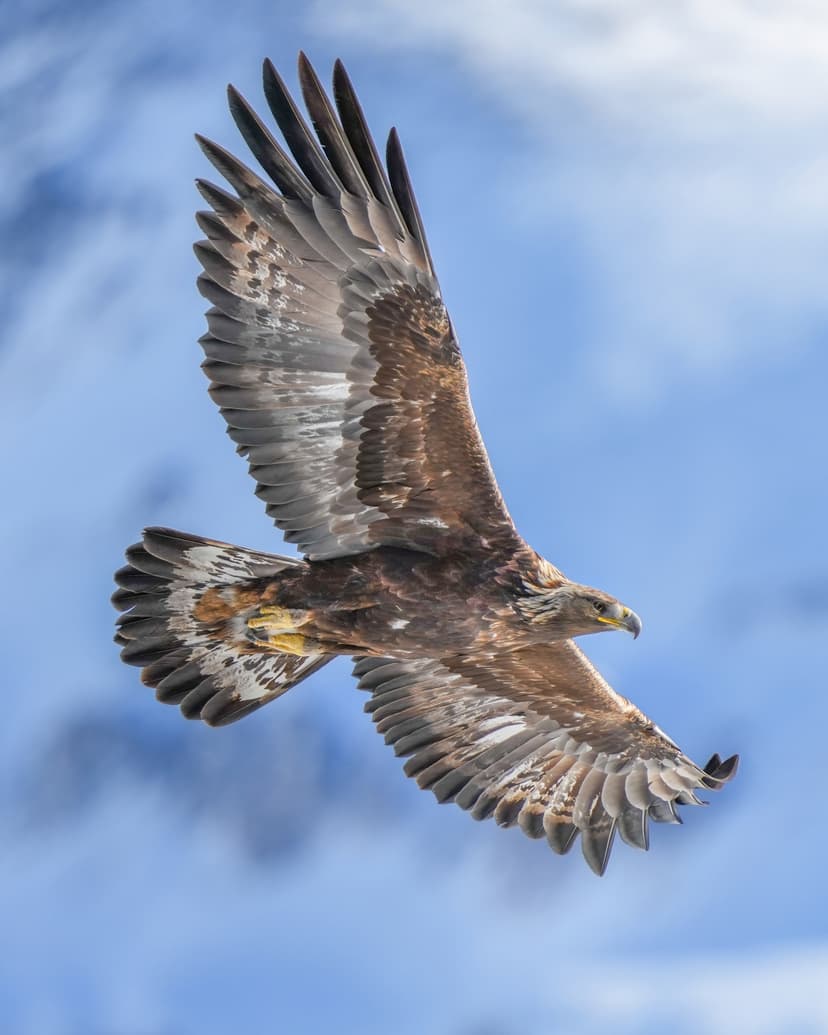
The golden eagle (Aquila chrysaetos) is a large bird of prey found across the Northern Hemisphere, known for its powerful hunt and widespread distribution. It is characterized by its dark brown plumage with golden-brown feathers on its nape and is a prominent species in falconry and various ancient cultures. This eagle is the most widely distributed eagle species and is a member of the Accipitridae family.