
Milvus milvus
The red kite (Milvus milvus) is a striking bird of prey belonging to the Accipitridae family, known for its elegant soaring flight and distinctive forked tail. Historically found across Europe, West Asia, and Northwest Africa, its breeding range is now primarily confined to Europe. It is recognized by its rufous plumage, contrasting white primary flight feathers, and black wingtips, with juveniles exhibiting a paler coloration and less forked tail.
Key Facts
- ›The red kite is a medium-sized bird of prey with a wingspan of 175–195 cm.
- ›Its plumage is predominantly rufous, with white primary flight feathers and black wingtips.
- ›Red kites are generalist scavengers and predators, feeding on carrion, small mammals, birds, and invertebrates.
- ›They typically nest in hardwood trees, with nests built by both sexes.
- ›The species was once widespread but faced significant declines due to persecution and habitat changes, with successful reintroduction programs in recent decades.
- ›Red kites are known to hybridize with the closely related black kite.
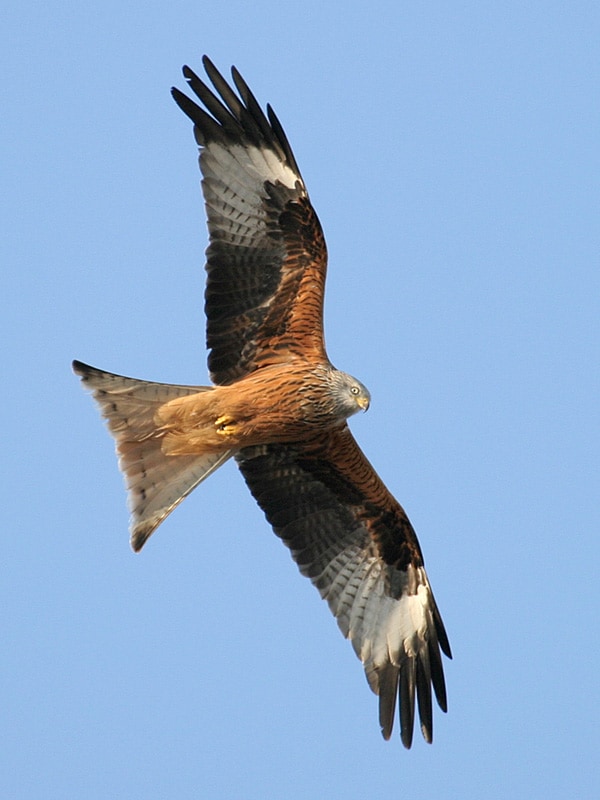
Red Kite
Broadleaf Woodlands, Pastures, Mixed Farmland, Valleys, Wetland Edges
Europe, Northwest Africa, West Asia
- Elegant bird with long wings held at a dihedral and a long, forked tail.
- Body, upper tail, and wing coverts are rufous.
- White primary flight feathers contrast with black wing tips and dark secondaries.
- Sexes are similar apart from weight difference; juveniles have a buff breast and belly.
- Juveniles have a less deeply forked tail with a dark subterminal band.
- Juveniles have pale tips to greater-coverts forming a long narrow pale line.
Carrion of Large Domestic Animals, Roadkill, Stranded Fish, Small Mammals, Live Birds, Reptiles, Amphibians, Invertebrates
Scavenging, Predation On Small Mammals and Birds
Mice, Voles, Shrews, Stoats, Young Hares, Rabbits, Crows, Doves, Starlings, Thrushes, Larks, Gulls, Waterfowl, Earthworms
Poisoning, Electrocution, Hunting and Trapping, Deforestation, Egg-Collection, Competition With Black Kite
About Milvus milvus
Milvus milvus: The Red Kite
The red kite, scientifically known as Milvus milvus, is a medium-sized bird of prey distinguished by its elegant soaring flight, long forked tail, and rufous plumage. It belongs to the Accipitridae family, which includes eagles and buzzards. Historically, the red kite's range extended across Europe, West Asia, and Northwest Africa, but its breeding grounds are now primarily confined to Europe. The species is characterized by its striking appearance, with white primary flight feathers contrasting sharply against black wingtips and dark secondaries. Juveniles are paler and have a less deeply forked tail.
Diet and Foraging
Red kites are described as generalist scavengers and predators. Their diet is varied, encompassing carrion from domestic animals, roadkill, and stranded fish. They also actively hunt small mammals such as mice and voles, as well as various birds like crows and doves. Invertebrates, particularly earthworms, form an important part of their diet, especially during spring. In some areas, red kites have become accustomed to being fed in domestic gardens, leading to their presence in urban environments and even instances of them stealing food from people.
Breeding and Life Cycle
Red kites typically begin breeding at two years of age. They are monogamous, with pair bonds often maintained year-round in resident populations. Nests are constructed in the forks of large hardwood trees, built by both sexes using dead twigs and lined with grass and wool. Eggs, usually one to three, are laid at three-day intervals and incubated for approximately 31-32 days, starting as soon as the first egg is laid. Chicks hatch asynchronously and are cared for by both parents. The nestling period lasts for about 48-70 days before fledging, followed by a further period of parental feeding.
Distribution and Conservation
Historically, red kites faced significant declines due to persecution and changes in agricultural practices. By the 20th century, breeding populations were severely reduced in many areas. However, extensive reintroduction programs, particularly in the United Kingdom and Ireland, have led to a resurgence. These efforts, often involving birds from Sweden and Germany, have been successful in re-establishing populations in areas where they had been extirpated. Despite these successes, threats such as poisoning from illegal baits and pesticides, electrocution, and habitat changes continue to pose challenges to the species' survival. The species is known to hybridize with the black kite (Milvus migrans), with a distinct subspecies, M. m. fasciicauda, on the Cape Verde Islands considered almost certainly extinct due to hybridization with black kites.
Source: Wikipedia ↗
Frequently Asked Questions
What is the scientific name for the red kite?
The scientific name for the red kite is Milvus milvus. It was first described by Carl Linnaeus in 1758 under the binomial name Falco milvus before being moved to the genus Milvus.
Where do red kites live?
Red kites currently breed primarily in Europe, with historical breeding populations also found in West Asia and Northwest Africa. They inhabit broadleaf woodlands, pastures, mixed farmland, valleys, and wetland edges.
What do red kites eat?
Red kites are generalist scavengers and predators. Their diet includes carrion from domestic animals, roadkill, stranded fish, small mammals, live birds, reptiles, amphibians, and invertebrates like earthworms.
What are the physical characteristics of a red kite?
Adult red kites are 60–70 cm long with a wingspan of 175–195 cm. They have a rufous body, upper tail, and wing coverts, with white primary flight feathers contrasting against black wingtips and dark secondaries. They are recognized by their long, forked tail.
What is the conservation status of the red kite?
The article text does not explicitly state the IUCN conservation status of the red kite. However, it details historical declines and recent population increases due to conservation efforts in various countries, suggesting a complex status.
How do red kites hunt?
Red kites are both scavengers and predators. They feed on carrion, but also actively hunt small mammals and birds. They have been observed stealing food from humans and are known to take advantage of supplementary feeding in some urban areas.
What are the main threats to red kites?
The primary threats to red kites include poisoning, both intentional and indirect from pesticides, especially in wintering grounds. Other threats involve electrocution, hunting, trapping, deforestation, egg collection, and competition with black kites.
Related Raptor species
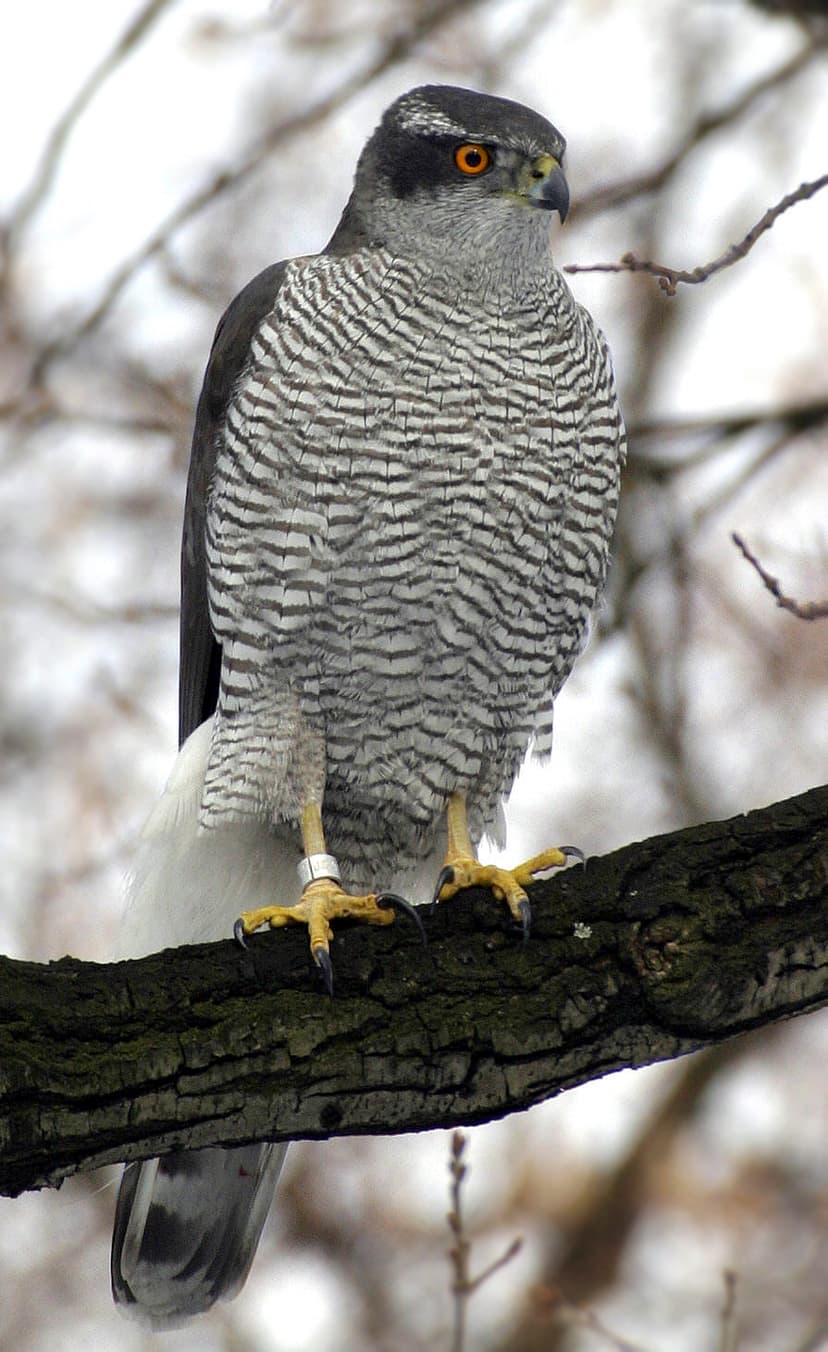
Accipiter gentilis
The Eurasian goshawk (Astur gentilis) is a medium-large bird of prey found across temperate Eurasia. It is recognized by its broad wings, long tail, and distinctively barred plumage. This species is known for its agility in wooded environments and is the sole goshawk in most of its range, often simply called "goshawk".
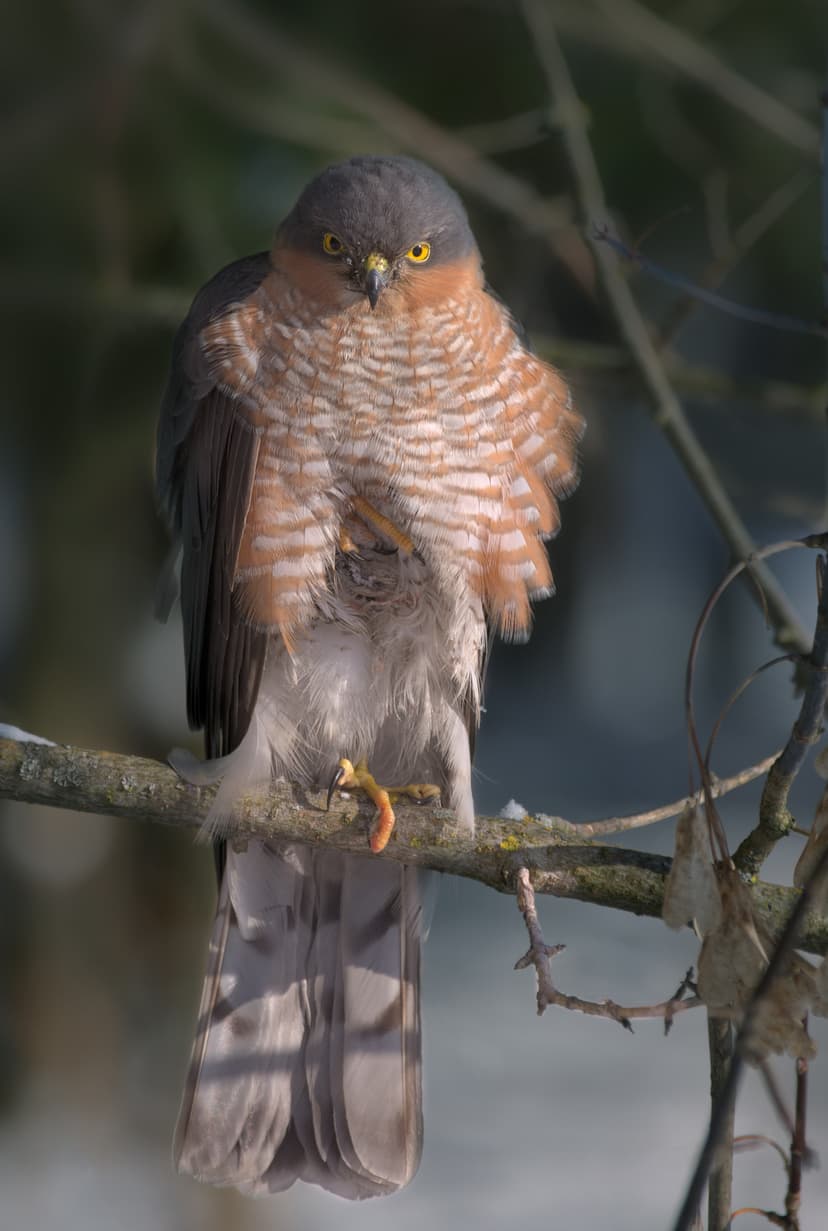
Accipiter nisus
The Eurasian sparrowhawk (Accipiter nisus) is a small bird of prey found across the temperate and subtropical regions of the Old World. It is distinctive for the significant size difference between sexes, with females being much larger than males, and for its specialized hunting of woodland birds, though it also adapts to urban environments. Once threatened by organochlorine insecticides, its populations have recovered and it is now considered of least concern.
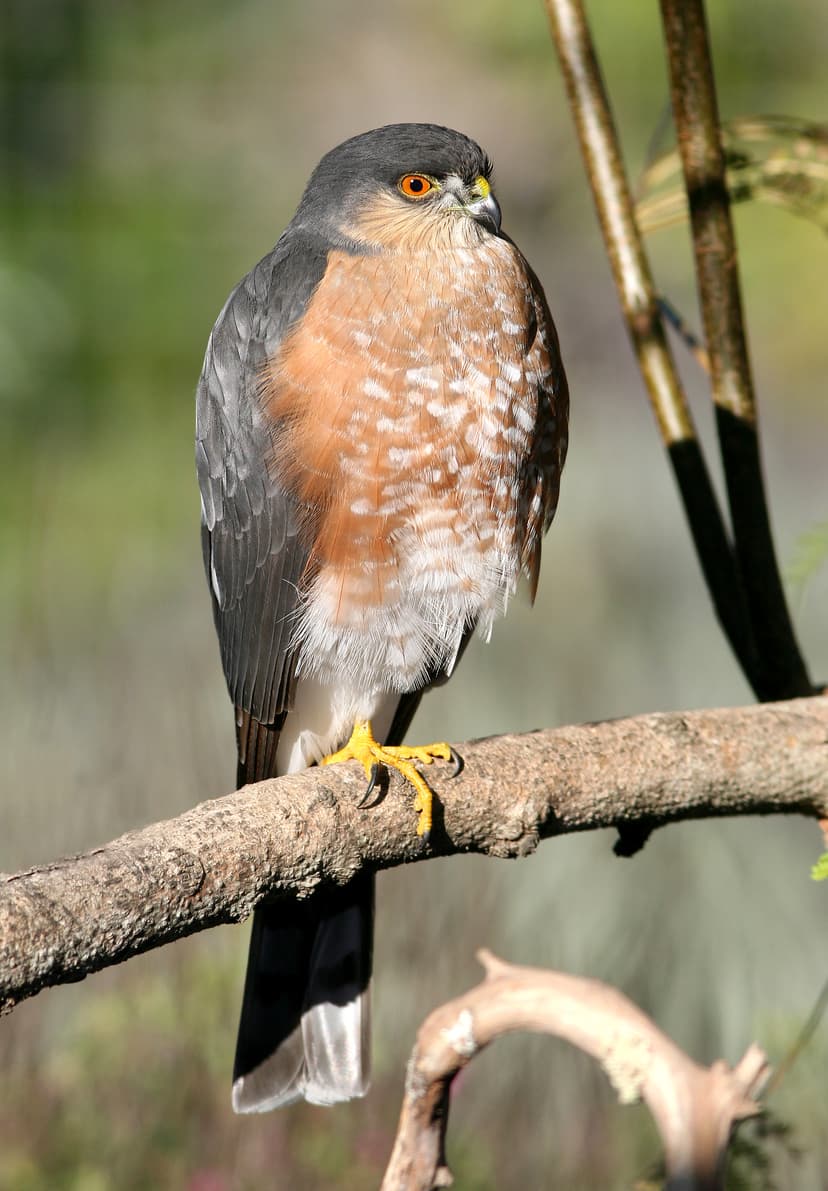
Accipiter striatus
The sharp-shinned hawk (Accipiter striatus) is a small hawk found across North and South America. It is known for its small size, with males being the smallest hawks in the United States and Canada, and its remarkable agility in hunting small birds within dense vegetation. Its taxonomy is complex, with some authorities considering several southern populations to be distinct species.