
Alabama waterdog
The Alabama waterdog is a medium-sized, perennibranch salamander found in the rivers and streams of Alabama, specifically within the Black Warrior River drainage basin. It is distinguished by its permanent, bushy red gills, and a brown or black dorsum with minimal spotting. This species is currently listed as endangered due to threats like habitat fragmentation and pollution.
Key Facts
- ›Medium-sized salamander, typically 15–22 CM (5.9–8.7 in) in length.
- ›Possesses permanent, bushy, red gills.
- ›Dorsal coloration is brown or black with little to no spotting; ventral side is white.
- ›Inhabits unsilted small and medium-sized streams in clay areas within the Black Warrior River drainage basin.
- ›Feeds on invertebrates like crayfish and insect larvae, as well as small fish.
- ›Listed as endangered by the IUCN and the U.S. Fish and Wildlife Service due to habitat degradation and pollution.
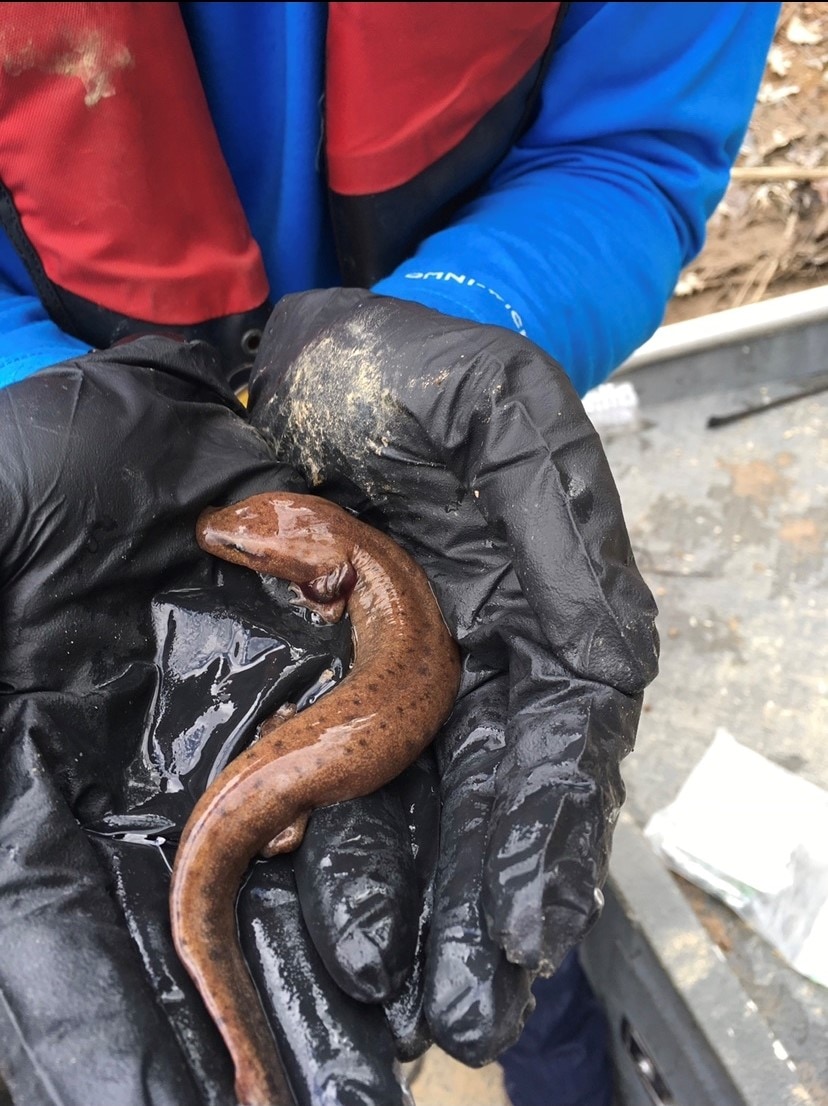
Alabama Waterdog
- Rivers
- Streams
- Backwaters With Dead Leaves and Detritus
- Unsilted Small and Medium-Sized Streams In Clay Areas
United States
- Medium-Sized, 15–22 Cm In Length.
- Four Toes.
- Laterally Compressed Tail.
- Permanent, Bushy, Red Gills.
- Dorsum Is Brown Or Black With Minimal Or No Spotting.
- Ventral Side Is White and Often Not Spotted.
Invertebrates, Small Fish
Habitat Fragmentation, Pollution, Impoundments
About Alabama waterdog
The Alabama Waterdog
The Alabama waterdog (Necturus alabamensis) is a species of salamander recognized for its permanent, bushy red gills and its specific habitat requirements. This medium-sized amphibian, typically measuring between 15 and 22 centimeters in length, is found exclusively within the Appalachian headwaters of the Black Warrior River drainage basin in Alabama.
Description and Habitat
Adult Alabama waterdogs exhibit a distinct appearance with a brown or black upper side that usually shows minimal to no spotting, while their underside is white and also often unmarked. They possess four toes and a tail that is compressed from side to side. The species thrives in unsilted, small to medium-sized streams situated in clay-rich areas. Important microhabitats include backwaters that accumulate dead leaves and detritus, providing both shelter and foraging opportunities. Their presence is sometimes correlated with the larvae of the northern dusky salamander and inversely with the abundance of Asiatic mussels.
Diet and Threats
The diet of Necturus alabamensis is varied, encompassing a range of aquatic invertebrates like crayfish, amphipods, and insect larvae, alongside small fish. Unfortunately, the Alabama waterdog faces significant threats to its survival. Habitat fragmentation and various forms of pollution—stemming from industrial, mining, agricultural, and urban activities—have degraded water quality and fragmented essential habitats. Furthermore, the construction of impoundments along waterways has impeded the species' natural movement and dispersal.
Conservation Status
Due to these pressing environmental challenges, the Alabama waterdog is listed as endangered by both the International Union for Conservation of Nature (IUCN) and the United States Fish and Wildlife Service. In recognition of its vulnerable status, critical habitat for the species, spanning 420 river miles, has been protected under the Endangered Species Act of 1973. Actions that could potentially harm this critical habitat now require a federal permit, reflecting the urgent need for conservation efforts to ensure the species' continued existence.
Source: Wikipedia ↗
Frequently Asked Questions
What is the Alabama waterdog?
The Alabama waterdog is a species of salamander that lives in rivers and streams. It is characterized by its permanent, bushy red gills and a medium size, typically ranging from 15 to 22 centimeters in length.
Where is the Alabama waterdog found?
This salamander is endemic to the Appalachian headwaters of the Black Warrior River drainage basin in Alabama. Specific locations include various forks and creeks in Winston, Walker, Tuscaloosa, and Blount counties.
What does the Alabama waterdog eat?
The diet of the Alabama waterdog primarily consists of aquatic invertebrates such as crayfish, amphipods, and insect larvae. They also consume small fish.
What is the conservation status of the Alabama waterdog?
The Alabama waterdog is listed as endangered by both the International Union for Conservation of Nature (IUCN) and the United States Fish and Wildlife Service. This status is due to significant threats to its habitat.
What threatens the Alabama waterdog?
Key threats to the Alabama waterdog include habitat fragmentation and pollution from industrial, mining, agricultural, and urban sources. Impoundments in waterways also hinder its movement.
What physical characteristics does the Alabama waterdog have?
Adult Alabama waterdogs typically measure 15–22 cm long and have four toes and a laterally compressed tail. Their permanent gills are bushy and red, their backs are brown or black with minimal spotting, and their undersides are white, often without spots.
Related Salamander and Newt species
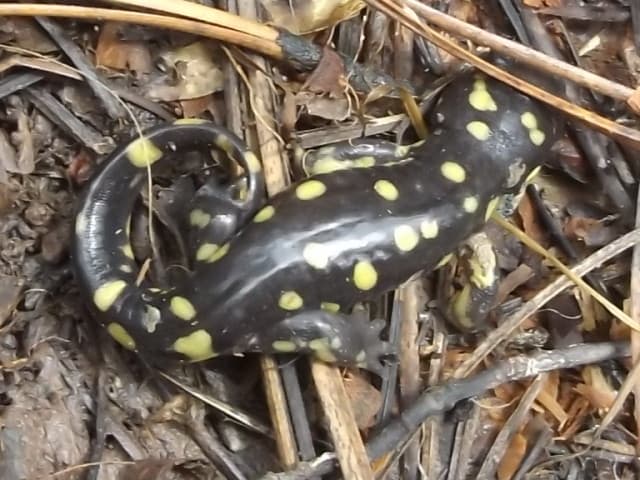
Ambystoma rosaceum
The Tarahumara salamander (Ambystoma rosaceum) is a freshwater mole salamander species endemic to Mexico, found in temperate and montane forests, grasslands, and various aquatic habitats. It is distinguished by its medium size, variable coloration of yellow spots or streaks on a dark background in adults, and the potential for paedomorphosis, where individuals retain larval features. While generally considered Least Concern, it faces threats from habitat loss and introduced species.
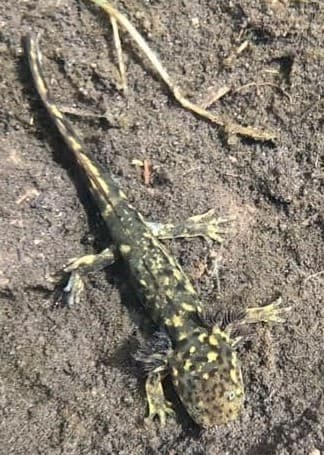
Ambystoma altamirani
The mountain stream salamander (Ambystoma altamirani) is a species of mole salamander native to central Mexico. It is distinguished by its purplish-black dorsal coloration, purplish-lavender belly, and cream-colored accents on its lips, digit tips, and tail fin. This species inhabits high-elevation pine and pine-oak woodlands, breeding in small streams where both larvae and some adults reside, while other adults venture onto land.
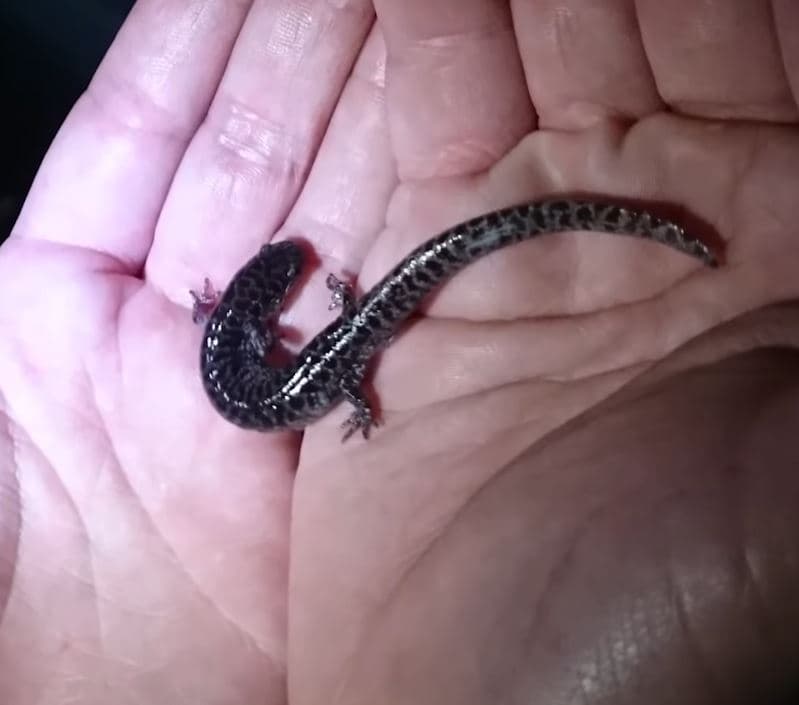
Ambystoma bishopi
The reticulated flatwoods salamander (Ambystoma bishopi) is a species of mole salamander native to a limited area of the southeastern United States' coastal plain, primarily in Florida and Georgia. It is characterized by a distinctive net-like grey pattern on a dark background and inhabits seasonally wet pine flatwoods, breeding in ephemeral wetlands. This species is currently listed as endangered due to habitat destruction and degradation.