
Ambystoma granulosum
Ambystoma granulosum·Ambystomatidae
The granular salamander (Ambystoma granulosum), also known as ajolote, is a species of mole salamander endemic to central Mexico. It inhabits high-altitude grasslands, marshes, and ponds, and is distinguished by its susceptibility to threats from habitat loss and skin scaling.
Key Facts
- ›Found exclusively in Mexico.
- ›Inhabits subtropical or tropical high-altitude grassland, freshwater marshes, and ponds.
- ›Threatened by habitat loss and overcropping.
- ›Larvae exhibit changing feeding preferences with age.
- ›Population size is currently unknown.

Granular Salamander, Ajolote
- Subtropical Or Tropical High-Altitude Grassland
- Freshwater Marshes
- Intermittent Freshwater Marshes
- Ponds
Mexico
Smaller Prey, Larger Prey
- Larvae Display Distinct Changes In Feeding Patterns With Increasing Age
Habitat Loss, Overcropping, Scaling of Their Skins, Contamination, Habitat Degradation
About Ambystoma granulosum
The Granular Salamander (Ambystoma granulosum)
The granular salamander, scientifically known as Ambystoma granulosum and sometimes referred to as the ajolote, is a species of mole salamander found exclusively in Mexico. It belongs to the Ambystomatidae family and inhabits specific high-altitude environments.
Natural Habitats and Distribution
This species is endemic to a restricted area in central Mexico, situated near and to the northwest of Toluca in Mexico State. It thrives at altitudes of approximately 3,000 meters (9,843 feet). Its natural habitats include subtropical or tropical high-altitude grassland, freshwater marshes, intermittent freshwater marshes, and ponds, which provide the essential aquatic and semi-aquatic conditions for its survival.
Early Life and Diet
Young granular salamanders face high mortality rates in their early developmental stages in the wild. Insufficient nutrition, coupled with anthropogenic factors such as contamination and habitat degradation, contribute to these losses. The larvae exhibit notable shifts in their feeding habits as they mature, initially preferring smaller prey and later consuming larger prey items. However, a scarcity of natural prey in their environment can lead to food deficiencies and further increase early-stage mortality.
Conservation Concerns
The granular salamander is currently facing significant threats that endanger its populations. Habitat loss is a primary concern, reducing the available areas for the species to live and reproduce. Additionally, overcropping activities and the practice of scaling their skins are identified as serious risks to their survival. The exact population size of Ambystoma granulosum remains unknown, making conservation efforts particularly challenging.
Source: Wikipedia ↗
Frequently Asked Questions
What is the granular salamander?
The granular salamander, scientifically known as Ambystoma granulosum, is a species of mole salamander belonging to the Ambystomatidae family. It is native to Mexico and is found in high-altitude aquatic and grassland environments.
Where is the granular salamander found?
This species is endemic to a limited region in central Mexico, specifically northwest of Toluca in Mexico State, at elevations around 3,000 meters (9,843 feet).
What are the natural habitats of the granular salamander?
Ambystoma granulosum thrives in subtropical or tropical high-altitude grassland, freshwater marshes, intermittent freshwater marshes, and ponds. These environments provide the necessary conditions for its survival and reproduction.
What threats does the granular salamander face?
The species is significantly threatened by habitat loss, which reduces its available living space. Overcropping and the scaling of their skins also pose serious risks to their populations.
What do the larvae of the granular salamander eat?
Granular salamander larvae show distinct changes in their diet as they grow. Younger larvae prefer smaller prey, while older larvae consume larger prey items. However, low prey availability in the wild can lead to food deficiencies and high mortality rates.
Related Salamander and Newt species
Ambystoma rosaceum
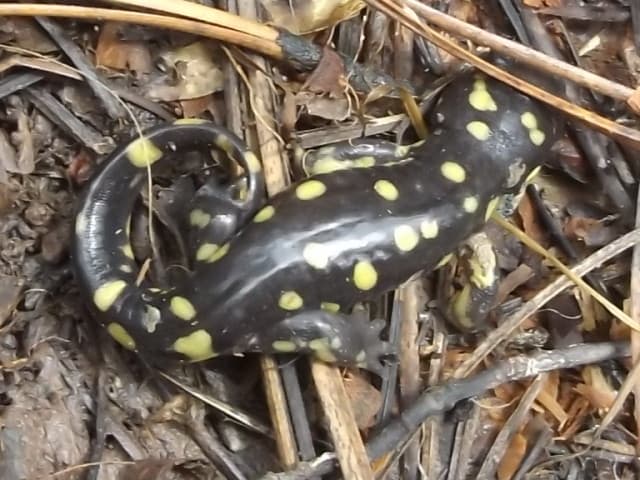
The Tarahumara salamander (Ambystoma rosaceum) is a freshwater mole salamander species endemic to Mexico, found in temperate and montane forests, grasslands, and various aquatic habitats. It is distinguished by its medium size, variable coloration of yellow spots or streaks on a dark background in adults, and the potential for paedomorphosis, where individuals retain larval features. While generally considered Least Concern, it faces threats from habitat loss and introduced species.

Ambystoma macrodactylum
The long-toed salamander (Ambystoma macrodactylum) is a mole salamander native to the Pacific Northwest of North America. It is distinguished by its mottled black, brown, and yellow coloration and a notably long outer fourth toe on its hind limbs. This species occupies a wide range of habitats, from temperate rainforests to alpine meadows, and is known for its subterranean adult lifestyle and aquatic breeding phase.

Ambystoma amblycephalum
The blunt-headed salamander (Ambystoma amblycephalum) is a mole salamander endemic to Mexico, specifically found near Morelia in Michoacán state. It inhabits a mixed landscape of grasslands and pine-oak forests at high elevations and requires ponds for breeding. This species is distinctive for having both neotenic (aquatic) and terrestrial adult populations.