
Ambystomatidae
Ambystomatidae is a family of predominantly terrestrial salamanders found across North America, known for their chunky bodies and broad heads. This family includes the mole salamanders (Ambystoma) and the Pacific giant salamanders (Dicamptodon). Some species are among the largest terrestrial salamanders and possess toxic secretions for defense.
Key Facts
- ›Ambystomatidae contains two genera: Ambystoma (mole salamanders) and Dicamptodon (Pacific giant salamanders).
- ›These salamanders are primarily terrestrial, inhabiting damp forests and plains in the us and parts of Canada.
- ›They are characterized by chunky bodies, broad flat heads, short legs, and long flattened tails.
- ›Most adult ambystomatids are nocturnal, seeking shelter under leaf litter, logs, or rocks near water.
- ›Reproduction involves internal fertilization, with males depositing spermatophores after courtship in water.
- ›Some species exhibit neoteny, retaining larval characteristics throughout their lives, such as the axolotl.
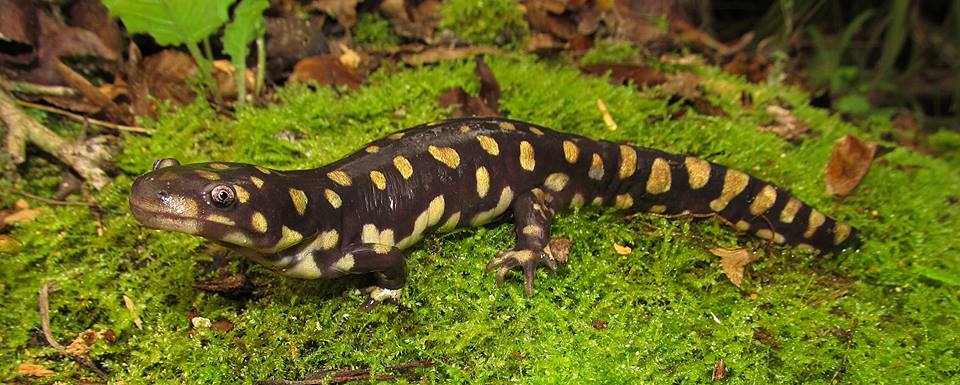
Mole Salamanders, Pacific Giant Salamanders
Damp Forests, Plains, Burrows, Water Bodies, Streams, Temperate Forests, Wetlands
North America, United States, Canada, Pacific Northwest
- Chunky Bodies
- Broad, Flat Heads
- Short Legs
- Long, Flattened Tails
- Smooth, Shiny Skin
- Coloration Ranges From Black, Brown, Or Dull Grey
- Can Have Brightly Colored Speckles Or Spots
- Most Adults Lack Gills/Gill Slits and Moveable Eyes
- No Nasolabial Grooves On the Snout
- Well-Developed and Functional Lungs
- 10 Costal Grooves
- Adult Males Have Six Sets of Cloacal Glands
- Adult Females Have Spermathecae In Cloaca
Invertebrates, Smaller Salamanders
- Terrestrial
- Nocturnal
- Active At Night
- Found On Cool Days Under Moist Leaf Litter, Logs, Or Rocks Near Water Bodies
- Live In Burrows
- Return To Water Bodies Or Streams To Breed
- Internal Fertilization
- Courtship Occurs In Water
- Males 'Dance', Nudging Females
- Deposit Numerous Spermatophores
- Some Species Secrete Poison From Their Bodies As Protection Against Predators Or Infraspecific Competition
- Neoteny Observed In Several Species
About Ambystomatidae
Ambystomatidae is a family of salamanders belonging to the Suborder Salamandroidea, comprising predominantly terrestrial species found across North America. This family is distinguished by its two genera: Ambystoma, commonly known as mole salamanders, which includes 32 species, and Dicamptodon, the Pacific giant salamanders, with four species. These amphibians are characterized by their robust build, featuring chunky bodies, broad and flat heads, short legs, and long, flattened tails. Their skin is smooth and shiny, with coloration typically ranging from black, brown, or dull grey, often adorned with speckles or spots.
Habitat and Distribution
Ambystomatids are widely distributed throughout the United States and extend into parts of Canada, preferring habitats such as damp forests, plains, temperate forests, and wetlands. While primarily terrestrial, adults often create burrows and emerge to reproduce in water bodies or streams, typically in early spring. They are nocturnal by nature, though they can be found active on cooler days beneath moist leaf litter, logs, or rocks near aquatic environments.
Characteristics and Behavior
Adult ambystomatids generally lack gills and moveable eyes, possessing well-developed lungs. A notable characteristic of some species within this family is neoteny, where individuals retain larval features, such as gills, throughout their adult lives, with the axolotl being a prominent example. For defense, some species are capable of secreting toxins from their bodies to ward off predators or deter intraspecific competition. Reproduction involves internal fertilization, with males performing a courtship display in water before depositing spermatophores. The larval stage typically lasts for three to four months.
Taxonomy
Historically, the genus Rhyacotriton was included in the Ambystomatidae family. However, it is now commonly placed in its own distinct family, Rhyacotritonidae. More recently, cladistic analyses have led to the reclassification of Dicamptodon back into the Ambystomatidae family. This family is recognized for containing some of the largest terrestrial salamanders found globally, including the tiger salamander and the coastal giant salamander.
Source: Wikipedia ↗
Frequently Asked Questions
What are the main types of salamanders in the Ambystomatidae family?
The Ambystomatidae family includes two main genera: Ambystoma, commonly known as mole salamanders, and Dicamptodon, referred to as Pacific giant salamanders. These genera encompass a total of 36 species.
Where are Ambystomatidae salamanders typically found?
Ambystomatids are widely distributed across North America, inhabiting damp forests and plains. They are commonly found throughout the United States and in some areas of Canada.
What are the physical characteristics of Ambystomatidae salamanders?
These salamanders have stout bodies with broad, flat heads and relatively short legs. They possess long, flattened tails and smooth, shiny skin that can be black, brown, or dull grey, sometimes featuring brightly colored speckles or spots.
How do Ambystomatidae salamanders reproduce?
Reproduction in this family involves internal fertilization. Males court females in water by nudging them and then deposit spermatophores. Adults typically return to water bodies or streams to breed, usually in early spring.
Are any Ambystomatidae salamanders poisonous?
Yes, some species within the Ambystomatidae family are toxic. They can secrete poison from their bodies as a defense mechanism against predators or for competition among their own kind.
What is neoteny in Ambystomatidae?
Neoteny is a phenomenon observed in several Ambystomatidae species where individuals retain their larval features, such as gills, throughout their adult lives. The axolotl is a well-known example of a neotenic species within this family.
Related Salamander and Newt species
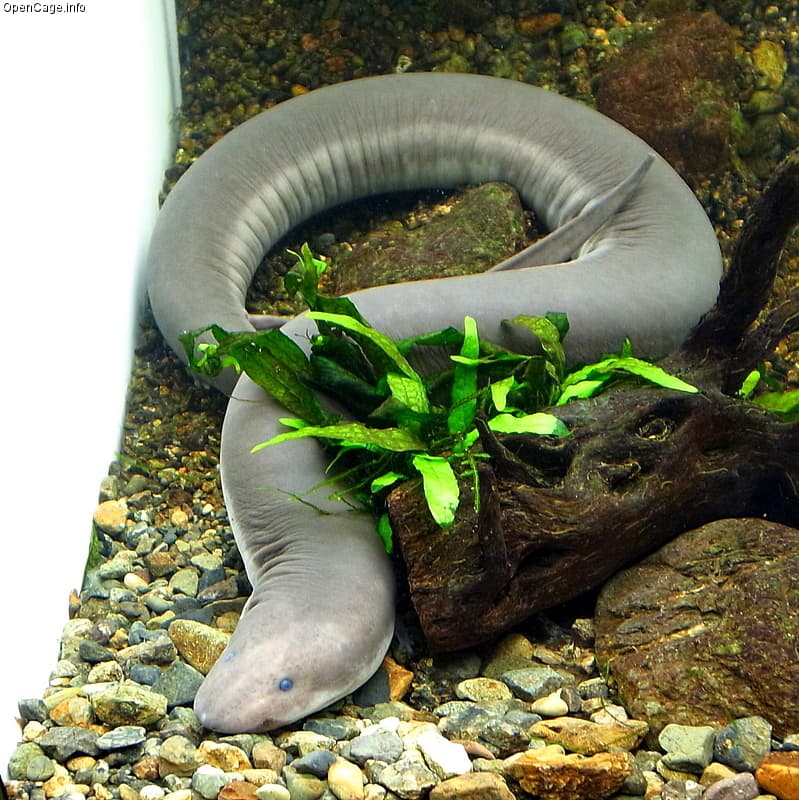
Amphiuma tridactylum
The Amphiuma tridactylum, commonly known as the three-toed amphiuma, is an aquatic salamander species native to the Southeastern United States. It is characterized by its eel-like appearance, tiny vestigial legs, and small, lidless eyes. This species is a nocturnal carnivore found in various slow-moving water bodies and surrounding marshy areas.

Barton Springs salamander
The Barton Springs salamander (Eurycea sosorum) is an endangered lungless salamander endemic to Texas, USA. It is found in Barton Springs and other nearby springs within the Edwards Aquifer, characterized by its clear, constant-temperature waters. This species is distinctive for its neotenic nature, retaining gills throughout its adult life, and its mottled coloration.
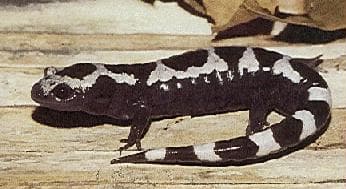
Ambystoma opacum
The marbled salamander (Ambystoma opacum) is a stout, terrestrial salamander found in the eastern United States, distinguished by its striking black and white banded pattern. Females typically have light gray bands, while males exhibit bright white bands, with males also possessing a larger proportion of white on their dorsal surface. This species spends most of its life under logs or in burrows and relies on seasonally flooded areas for breeding.