
Ambystoma leorae
The Leora's stream salamander (Ambystoma leorae) is a critically endangered mole salamander endemic to a very small region within Mexico's Iztaccihuatl-Popocatepetl National Park. Its survival is threatened by its specific water quality requirements and human activities such as water extraction, cattle grazing, and direct consumption, leading to a single known population persisting on Mount Tlaloc.
Key Facts
- ›Endemic to a tiny area of the Iztaccihuatl-Popocatepetl National Park in Mexico.
- ›Possesses very specific water quality requirements, making it vulnerable to habitat degradation.
- ›Listed as critically endangered by the IUCN and threatened by the Mexican government.
- ›Historically found in streams with cold, highly oxygenated water surrounded by alpine grassland and mountain forest.
- ›The last known population is located on Mount Tlaloc, near Mexico City.
- ›Faces threats from water extraction, cattle grazing, and traditional consumption by humans.
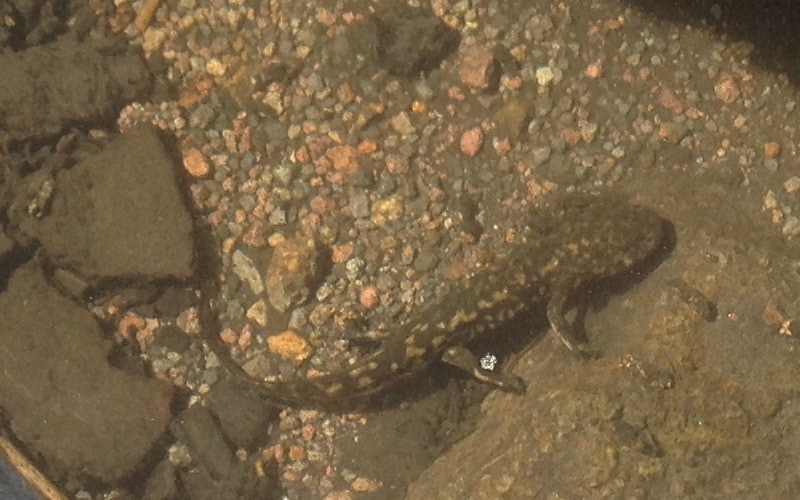
Leora's Stream Salamander, Ajolote
Small Streams, Alpine Grassland, Mountain Forest
Mexico
Water Extraction, Cattle Grazing, Consumption By Humans, Pollution, Habitat Alteration
About Ambystoma leorae
Leora's Stream Salamander (Ambystoma leorae)
The Leora's stream salamander, scientifically known as Ambystoma leorae, is a rare and critically endangered species of mole salamander found exclusively in a very small region of central Mexico. It is endemic to the Iztaccihuatl-Popocatepetl National Park, specifically persisting in a single known population on Mount Tlaloc, near the densely urbanized area of Mexico City.
Distribution and Habitat
Historically, Ambystoma leorae was found in six locations within the Iztaccihuatl-Popocatepetl National Park, but it has since disappeared from polluted sites like the Rio Frio. Recent research has identified a new, relict locality on Mount Tlaloc as potentially the last remaining habitat for the species. The salamanders inhabit small streams, typically around 2 meters wide and 6.5 meters deep, characterized by cold water temperatures ranging from 12 to 15°C and high levels of dissolved oxygen. These streams are situated within environments of small alpine grassland (Muhlenbergia sp.) and mountain forest (Pinus hartwegii and Abies religiosa).
Conservation Status and Threats
Due to its extremely limited distribution and the severe degradation of its habitat, Ambystoma leorae is classified as critically endangered by the International Union for Conservation of Nature (IUCN) and as a threatened species by the Mexican government. The species faces numerous threats, including the clearance of forests, pollution of its aquatic environment, and direct consumption by humans for traditional food. Furthermore, alterations to the stream habitats for water extraction and the presence of cattle grazing contribute significantly to the precarious state of the species' survival. The low genetic diversity observed within the population further exacerbates its vulnerability.
Source: Wikipedia ↗
Frequently Asked Questions
What is the scientific name for the Leora's stream salamander?
The scientific name for the Leora's stream salamander is Ambystoma leorae. It is a species of mole salamander belonging to the family Ambystomatidae.
Where is the Ambystoma leorae found?
Ambystoma leorae is endemic to a very limited area in the Iztaccihuatl-Popocatepetl National Park, on the border of the State of Mexico with Puebla, Mexico. A single known population persists on Mount Tlaloc.
Why is the Leora's stream salamander considered critically endangered?
The species is critically endangered due to its extremely limited distribution, habitat degradation from forest clearance, pollution, and direct human consumption. Alterations to streams for water collection and cattle grazing also pose significant threats.
What are the habitat requirements for Ambystoma leorae?
Leora's stream salamanders require small streams with cold water temperatures (12-15°C) and high levels of dissolved oxygen. Their habitat is typically surrounded by alpine grassland and mountain forest.
What threats does the Ambystoma leorae face?
Major threats include the alteration of streams for human water consumption, the introduction of cattle into their habitat, and the direct collection of specimens for traditional food. Pollution and water extraction are also significant concerns.
Related Salamander and Newt species

Ambystoma rivulare
Ambystoma rivulare, also known as the Toluca stream siredon, is a species of salamander found exclusively on the border of the Mexican states of México and Michoacán. This salamander is distinctive for its neoteny, remaining aquatic and retaining larval features throughout its life, and it inhabits slow-moving streams within pine and fir forests.
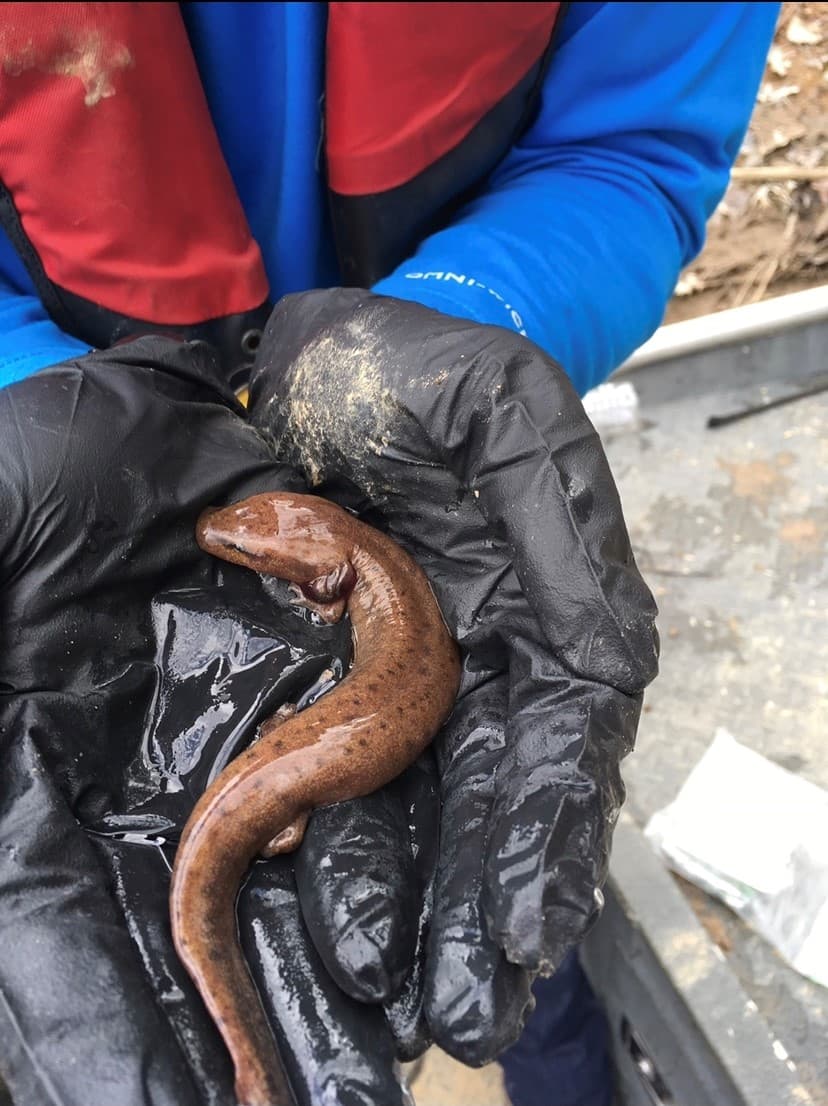
Alabama waterdog
The Alabama waterdog is a medium-sized, perennibranch salamander found in the rivers and streams of Alabama, specifically within the Black Warrior River drainage basin. It is distinguished by its permanent, bushy red gills, and a brown or black dorsum with minimal spotting. This species is currently listed as endangered due to threats like habitat fragmentation and pollution.

Andrias davidianus
The Chinese giant salamander (Andrias davidianus) is one of the largest salamanders and amphibians globally, endemic to the Yangtze river basin in China. It is a fully aquatic species known for its large size, dark, wrinkly skin, and distinctive vocalizations that resemble a human infant's cry, earning it the nickname "infant fish." Critically endangered in the wild, its populations have drastically declined due to habitat loss, pollution, and overcollection for food and traditional medicine.